
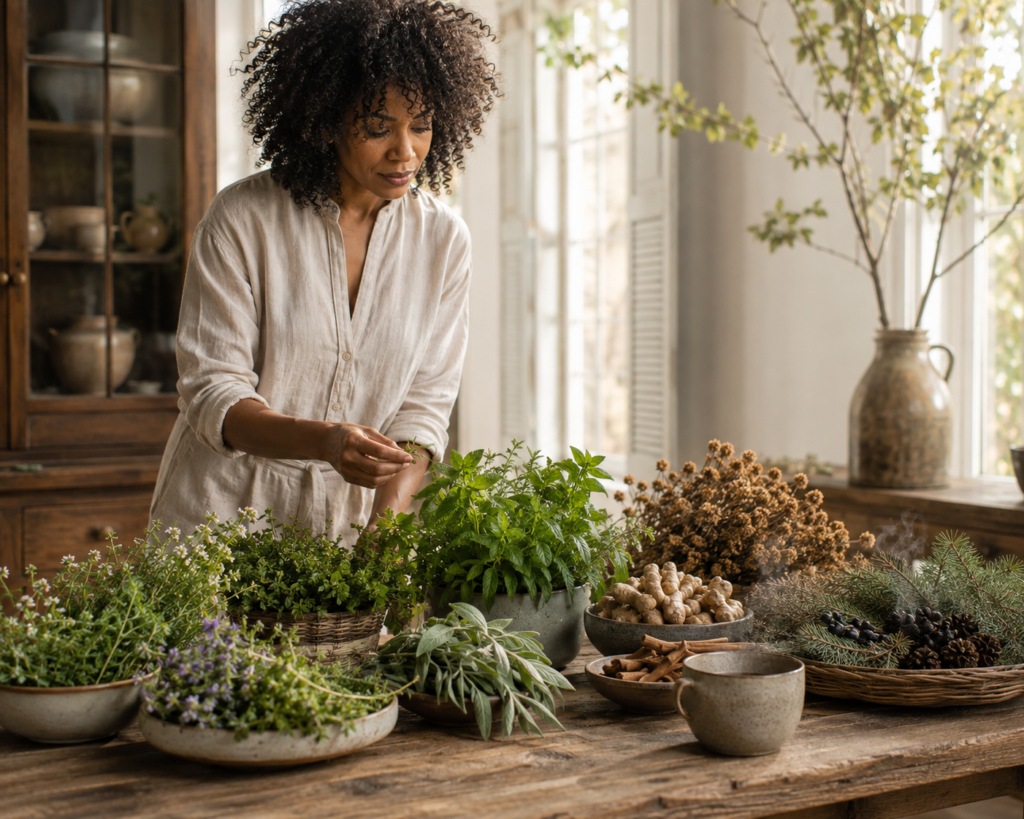
Indeed, An apothecary can be more than a permanent shelf of dried herbs and botanical preparations. It can change with the year.
Spring brings tender growth. Summer offers aromatic abundance. Fall invites gathering and preserving, while winter often encourages simplicity and reflection. A seasonal apothecary follows those shifts rather than treating natural wellness as something that should look identical every month.
This does not mean replacing your apothecary four times a year.
It means paying attention to climate, freshness, local availability, and what you genuinely use.
That slower approach can make botanical living feel less like a trend.
It becomes a relationship with the natural world.
What Makes an Apotheca Seasonal?
A seasonal apothecary keeps useful staples while allowing some ingredients and practices to change naturally.
Think about a kitchen pantry. Salt and olive oil may stay all year, while peaches, squash, or fresh herbs come and go. Botanical wellness can work in a similar way.
The exact rhythm will depend on where you live. Coastal South Carolina does not experience the same seasons as Maine or Colorado. Heat, humidity, growing conditions, and local plant availability all influence what feels seasonal.
Rather than following a rigid online checklist, start by observing your own environment.
Spring Apotheca: Refresh What You Already Have
Spring is often associated with adding something new, but it can be just as useful for clearing and checking what you already own.
Open the cabinet where you keep dried herbs, oils, or other botanical ingredients.
Look for expired products, moisture, unusual odors, changes in texture, or anything you no longer recognize.
Check the apothecary for any items you no longer use.
Follow each product’s storage and expiration guidance.
Then turn toward what is growing.
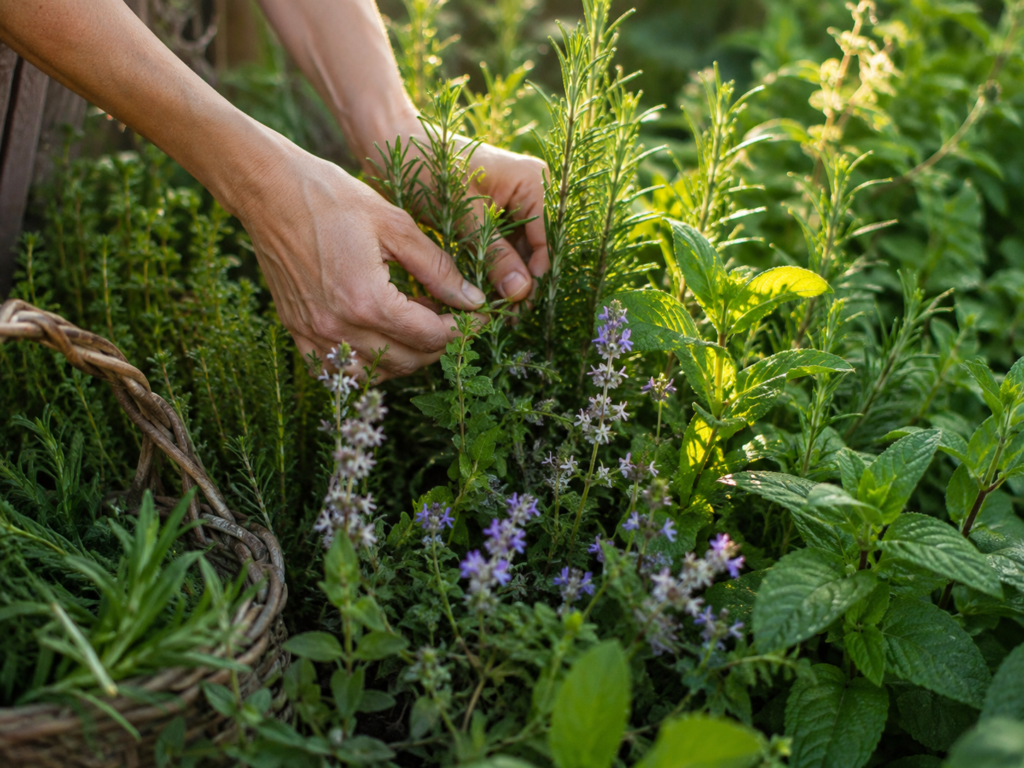
Familiar culinary plants such as mint, rosemary, basil, and thyme can provide an approachable way to reconnect with botanicals. Growing one herb on a windowsill or using fresh herbs more intentionally in meals may be more meaningful than purchasing several unfamiliar ingredients.
Spring’s lesson for the apothecary is simple: refresh before you accumulate.
Summer Apotheca: Follow Freshness, Not Excess
Summer often makes botanical life feel abundant. Gardens grow quickly, markets fill with fresh produce and herbs, and scents become more vivid in warm air.
That abundance does not mean your apothecary needs to become crowded.
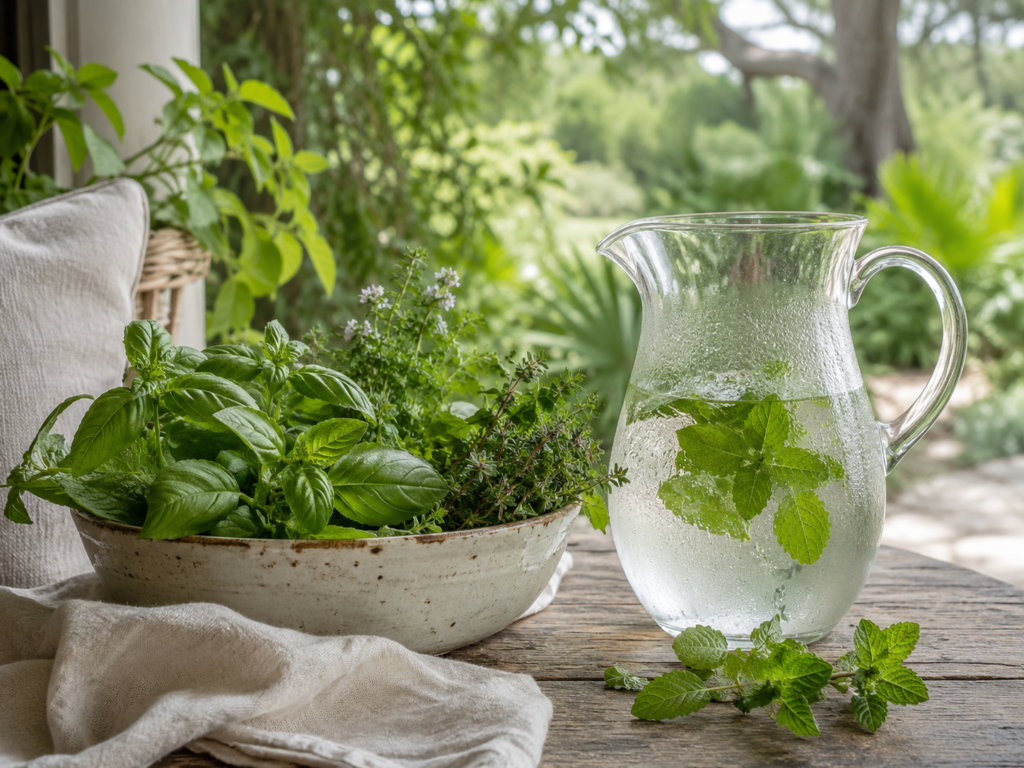
Fresh mint can brighten cool water or food. Basil and other culinary herbs can move directly from garden to kitchen. Botanical body-care routines may also feel better when they remain uncomplicated.
Warm weather brings another consideration: storage. Heat, humidity, and direct sunlight can affect some oils, dried herbs, and botanical preparations. Always follow the storage instructions for the item you are using.
The summer mindset is less about collecting nature and more about experiencing it while it is fresh.
Fall Apotheca: Learn the Art of Keeping
Fall changes the conversation from freshness to preservation.
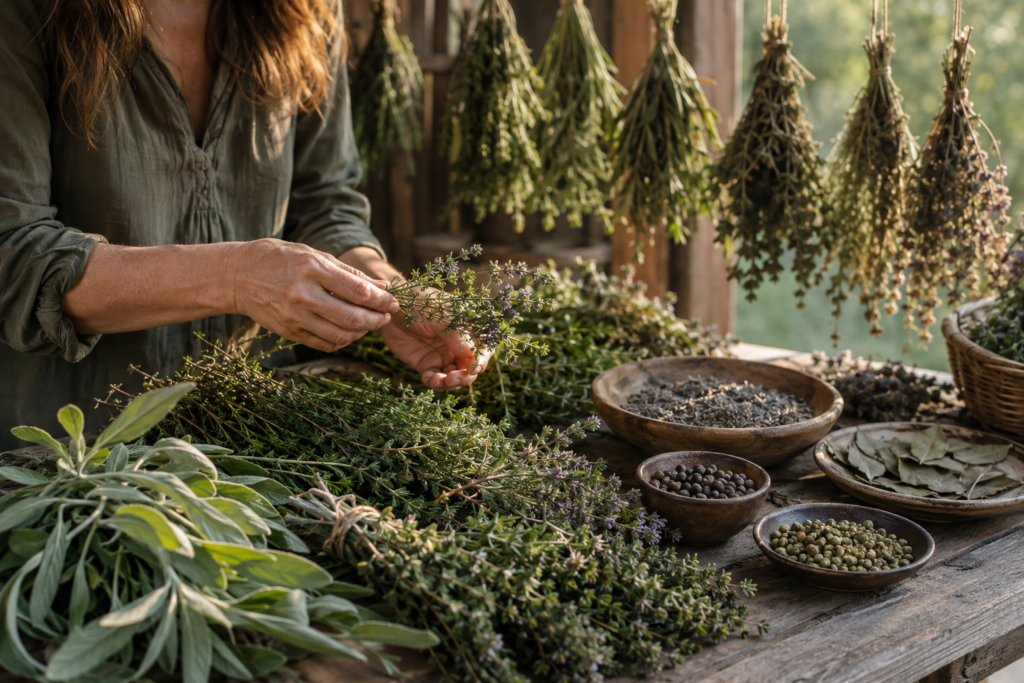
For people who grow culinary herbs, this can be a good season to learn proper drying and storage methods. The emphasis should be on learning, because safe preservation requires attention to moisture, cleanliness, identification, and storage conditions.
This is also when roots, seeds, and warming culinary spices naturally become more noticeable in seasonal cooking.
A common misconception is that an apothecary should look like an overflowing collection of mysterious jars. A more useful fall practice may be labeling what you already have, learning where it came from, and understanding how long it keeps.
Avoid ingesting wild plants unless you can identify them reliably and know they are appropriate for consumption. When in doubt, seek guidance from a qualified expert.
Winter Apotheca: Let Less Be Enough
Winter can offer the opposite of summer abundance.
The landscape quiets. Days shorten. Instead of responding by adding more wellness products, consider allowing your apothecary to become simpler.
A familiar caffeine-free herbal infusion, aromatic culinary spices, or a botanical skin-care practice can bring sensory warmth to an ordinary winter day. The goal is not to claim that a plant can fix seasonal discomforts. It is to appreciate simple botanical experiences for what they are.
Winter is also an ideal time for education. Choose one herb already in your home and learn its botanical name, history, traditional uses, known precautions, and possible interactions.
Knowing one plant well can be more valuable than owning ten plants you barely understand.

Let Your Apotheca Belong to Where You Live
Seasonal wellness becomes more interesting when it reflects place.
All Hilom Apotheca is based in Charleston, South Carolina, where warmth, humidity, and a long growing season create a different relationship with plants than colder parts of the country. The brand itself frames its approach around traditional wisdom reimagined for modern botanical care.
You can develop your own sense of place without becoming an herbal expert. Notice what appears at local farmers markets. Learn which culinary herbs grow well in your climate. Ask growers questions. Observe which plants return each season.
This kind of curiosity turns an apothecary from an aesthetic into something lived.
Seasonal Does Not Mean Starting Over
One of the most important ideas behind a seasonal apothecary is continuity.
You do not need a spring collection, a summer collection, a fall collection, and a winter collection. Keep the botanical staples that genuinely serve you. Allow seasonal ingredients to enter when they have a purpose and leave when they do not.
This can also reduce unnecessary buying and waste.
Instead of asking, “What should I add this season?” try asking, “What makes sense right now?”
That small change encourages a more grounded relationship with natural wellness.
Key Takeaways
- A seasonal apothecary evolves gradually rather than being replaced every few months.
- Climate and local plant availability can shape botanical choices.
- Spring can invite refreshing, summer can celebrate freshness, fall can encourage responsible preserving, and winter can create space for learning.
- Proper identification and storage remain important when working with herbs and botanical preparations.
- A smaller, well-understood collection can be more useful than an overflowing shelf.
Final Thoughts
The seasonal apothecary is ultimately less about what sits on a shelf and more about what we notice.
Nature is constantly changing. Paying attention to those changes can help us approach botanical wellness with greater curiosity and less pressure. Some seasons invite abundance. Others invite simplicity. Neither requires perfection.
Start with what you already have. Notice what grows around you. Learn one plant more deeply. Allow your botanical choices to change when your environment changes.
Natural wellness practices can complement everyday well-being, but they do not replace professional medical care. Herbs and botanical preparations may cause sensitivities or interact with medications. If you are pregnant, nursing, taking medication, managing a health condition, or unsure whether a botanical is appropriate for you, consult a qualified healthcare professional.
A thoughtful apothecary does not need to contain everything. Sometimes its greatest wisdom is knowing what belongs in this season—and what can wait for another.