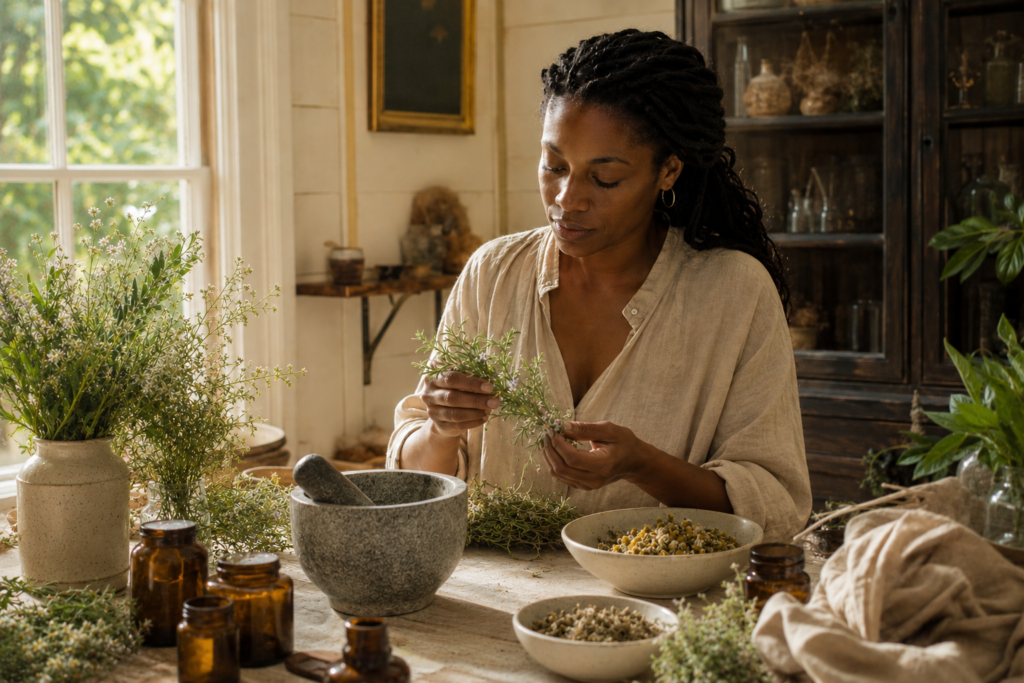
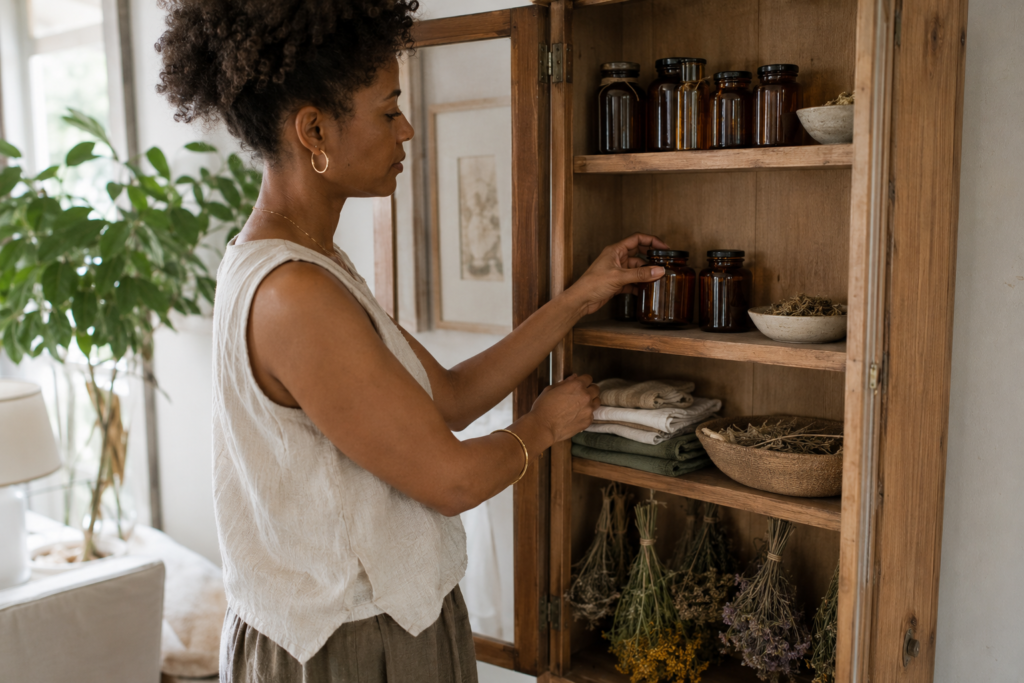
The word “apotheca” feels as though it belongs to another time. It may bring to mind shelves of herbs, glass vessels, fragrant roots, and carefully prepared botanical ingredients. Yet the idea behind an apotheca has surprising relevance for modern life.
Historically, the Latin word apotheca referred to a storehouse or place where valued goods were kept. Over time, related words became associated with apothecaries and the preparation and storage of herbs and remedies. Today, an apotheca can represent something broader: a thoughtful relationship with plants, ingredients, and everyday wellness.
For anyone curious about natural living, understanding this tradition offers an invitation to become more intentional—not more complicated—about what we bring into our homes and daily care.
More Than a Shelf of Herbs
A modern apotheca does not need to resemble an old-fashioned herbal shop. Its deeper value lies in thoughtful selection.
Instead of collecting dozens of botanical ingredients because they are fashionable, an apotheca-inspired approach asks simpler questions: What do I actually use? Where does this ingredient come from? How has it traditionally been used? Does it fit comfortably into my everyday life?
This mindset can apply to dried herbs, botanical oils, teas, skin-care ingredients, or other plant-based preparations. The goal is not to build an impressive collection. It is to understand a small number of useful items well.
That distinction matters because “natural” does not automatically mean appropriate for everyone. Plants contain active compounds, and individual sensitivities, medications, pregnancy, allergies, and health conditions can affect what is suitable. Thoughtful botanical wellness includes curiosity as well as caution.
What Botanical Wisdom Looks Like Today
One misconception about herbal wellness is that embracing traditional practices means rejecting modern knowledge. The two do not have to compete.
Traditional use can tell us how communities have worked with plants across generations. Contemporary research can help us better understand plant compounds, possible benefits, limitations, and safety considerations. A balanced approach respects both while avoiding exaggerated promises.
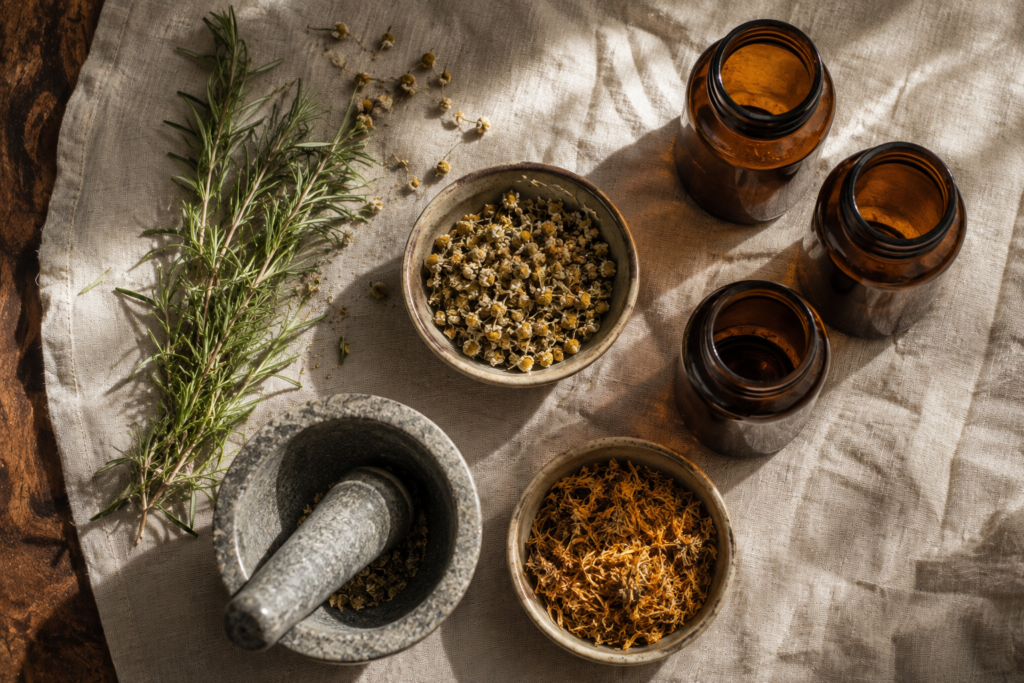
For example, herbs such as chamomile have long been prepared as soothing infusions, while aromatic plants such as rosemary have appeared in culinary and personal-care traditions. Rather than assuming an herb can “cure” a concern, it is more responsible to explore how it has traditionally been used and what evidence currently suggests.
This is one of the most useful lessons an apotheca can offer: wellness is not about chasing miracle ingredients. It is about developing discernment.
Build a Simple Home Apotheca Mindset
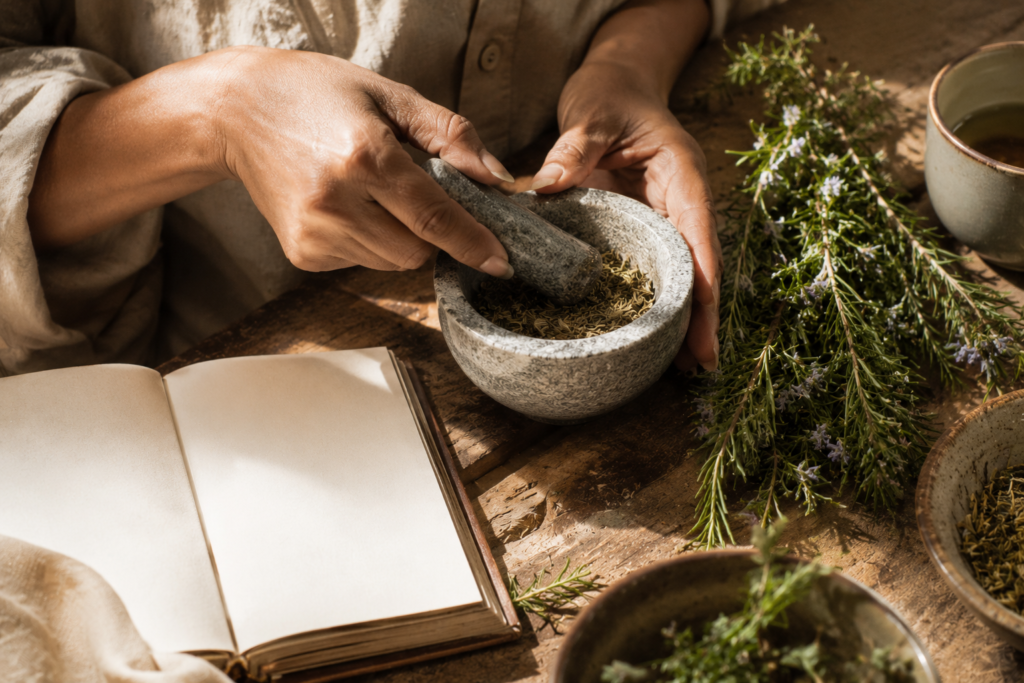
You do not need a dedicated cabinet full of ingredients to bring this philosophy home. Begin with what already supports your life.
Choose Purpose Before Quantity
Select a few botanical staples you genuinely enjoy using. A culinary herb, a gentle herbal tea, or a simple plant oil may be more valuable than a shelf of unfamiliar ingredients.
Learn One Ingredient at a Time
Before trying something new, learn its common name, intended use, basic safety information, and proper storage. If you plan to ingest an herb or use it for a specific wellness concern, reliable guidance matters.
Pay Attention to Freshness
Dried herbs and oils do not remain fresh forever. Keep botanical ingredients away from excessive heat, moisture, and direct sunlight, and discard anything with an unusual odor, visible mold, or other signs of deterioration.
Notice Your Own Response
Even commonly used botanicals may not suit every person. Patch testing topical preparations when appropriate and introducing new products gradually can make it easier to notice irritation or sensitivity.
An Apotheca Encourages Curiosity, Not Perfection
Natural wellness can become overwhelming when every new ingredient is presented as essential. An apotheca-inspired mindset offers another direction: know what you have, understand why you use it, and leave room to learn.
Imagine two shelves. One is crowded with trendy ingredients purchased after seeing enthusiastic claims online. The other contains five or six well-understood botanicals that are used regularly and stored carefully. The smaller shelf may actually represent the more thoughtful relationship with natural wellness.
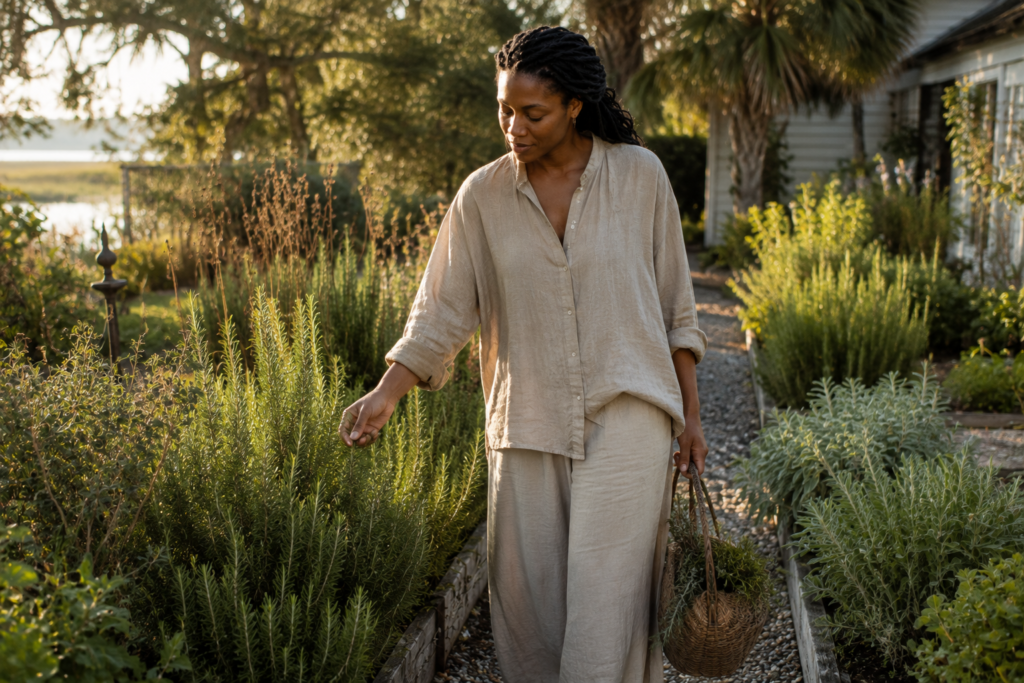
This is also where local knowledge can become meaningful. Learning about plants that grow in your region, talking with knowledgeable herbal professionals, or simply paying closer attention to seasonal botanicals can make wellness feel connected to place rather than driven by trends.
Key Takeaways
- Apotheca historically referred to a place for storing valued goods and is closely connected to the roots of the modern apothecary.
- A modern apotheca mindset emphasizes thoughtful botanical choices rather than collecting as many products as possible.
- Traditional herbal knowledge and contemporary evidence can complement each other.
- Natural does not automatically mean risk-free, so ingredient knowledge and individual considerations matter.
- Starting with a few familiar botanicals can make natural wellness more practical and approachable.
Final Thoughts
The enduring appeal of the apotheca is not really about antique jars or shelves overflowing with herbs. It is about attention: knowing what we use, appreciating where it comes from, and making room for botanical knowledge in a grounded way.
You can begin simply. Learn more about one herb already in your kitchen. Notice the ingredients in something you use regularly. Ask questions before adding the newest wellness trend to your shelf. These small choices can gradually build a more informed and personal relationship with natural living.
Botanical traditions may support a thoughtful approach to everyday well-being, but they are not substitutes for professional healthcare. If you have a medical concern, take medication, are pregnant or nursing, or are unsure whether an herb is appropriate for you, consult a qualified healthcare professional.
A modern apotheca does not need to hold everything. It only needs to hold what has meaning, purpose, and a place in your life.