We often meet a botanical ingredient at the end of its journey.
It arrives as dried leaves in a pouch, an oil in a bottle, an infusion in a cup, or an ingredient listed on a personal-care product. By then, much of its story has disappeared from view.
An apotheca invites us to look backward.
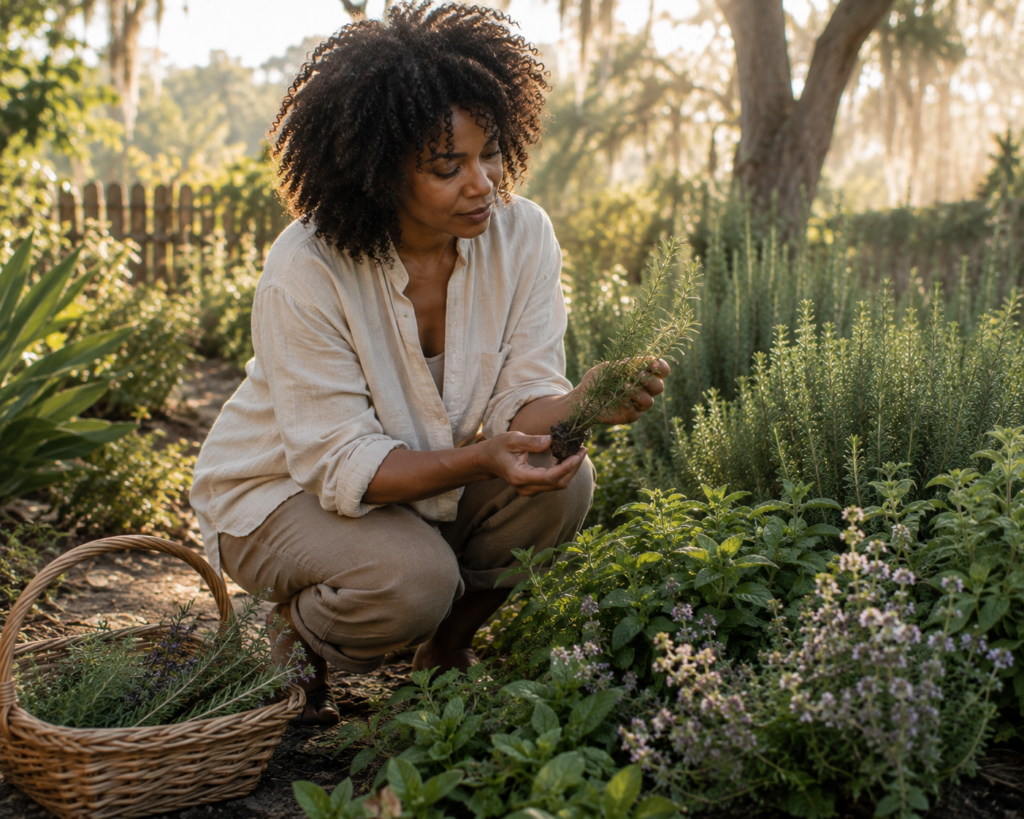
Before a botanical reached a shelf, it was a plant growing somewhere. Soil, weather, harvest timing, the part of the plant selected, drying, preparation, and storage all came before the finished ingredient. Understanding that journey does not require becoming an herbalist. It simply encourages better questions.
For anyone interested in natural wellness, knowing where botanicals begin can be just as meaningful as knowing how they are eventually used.
Apotheca Wisdom Begins Before the Finished Product
Modern shopping makes it easy to think of herbs as ingredients rather than living plants.
Rosemary becomes “rosemary extract.” Hibiscus becomes a powder. Ginger becomes an oil or dried root. Once botanicals appear in finished forms, it is easy to forget that each began in a particular environment.
An apotheca mindset brings that origin back into view.
Where was the plant grown? Which part was used? How was it harvested and processed? How was it stored before reaching its final form?
These questions do not automatically tell us whether one botanical preparation is “better” than another. They help us understand that plant ingredients have histories, and those histories influence what eventually reaches us.
Start With the Plant, Not the Claim
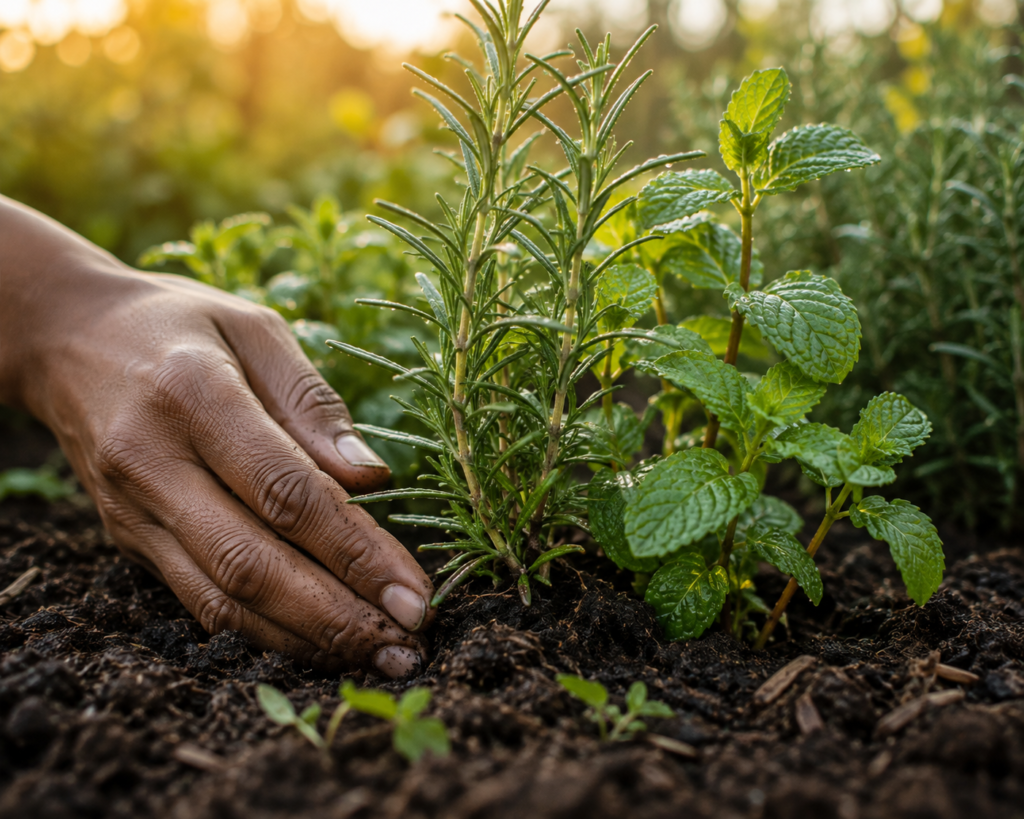
Botanical marketing often begins with a promised benefit. Botanical literacy begins somewhere else: with identification.
A plant has a common name and a botanical identity. It also has different parts—leaves, flowers, roots, seeds, bark, or fruit—and those parts are not automatically interchangeable.
Take an everyday example such as ginger. Someone may encounter fresh ginger root in a kitchen, dried ginger in a spice cabinet, or ginger-derived ingredients in a prepared product. They share a plant origin, but their forms and uses can differ.
The same principle applies across an apotheca.
Instead of asking only, “What is this herb supposed to do?” begin with, “What plant is this, and what part am I actually using?”
That small shift makes natural wellness more informed and less dependent on buzzwords.
Harvest Changes the Story
Plants do not arrive at harvest in identical condition every day of the year.
Growing environment, rainfall, temperature, maturity, and harvest practices can influence plant material. After harvesting, handling matters too.
Fresh culinary herbs may travel only a few feet from a garden to a kitchen. Botanicals intended for drying require appropriate handling so excess moisture does not encourage deterioration. Commercial botanical ingredients may go through additional processing before becoming extracts, powders, oils, or other preparations.
This is why the phrase “plant-based” tells only part of the story.
Knowing that an ingredient came from a plant is a beginning. Understanding how it traveled from plant to preparation adds useful context.
From Fresh Plant to Botanical Ingredient
One of the most interesting stages in the journey happens after harvest.
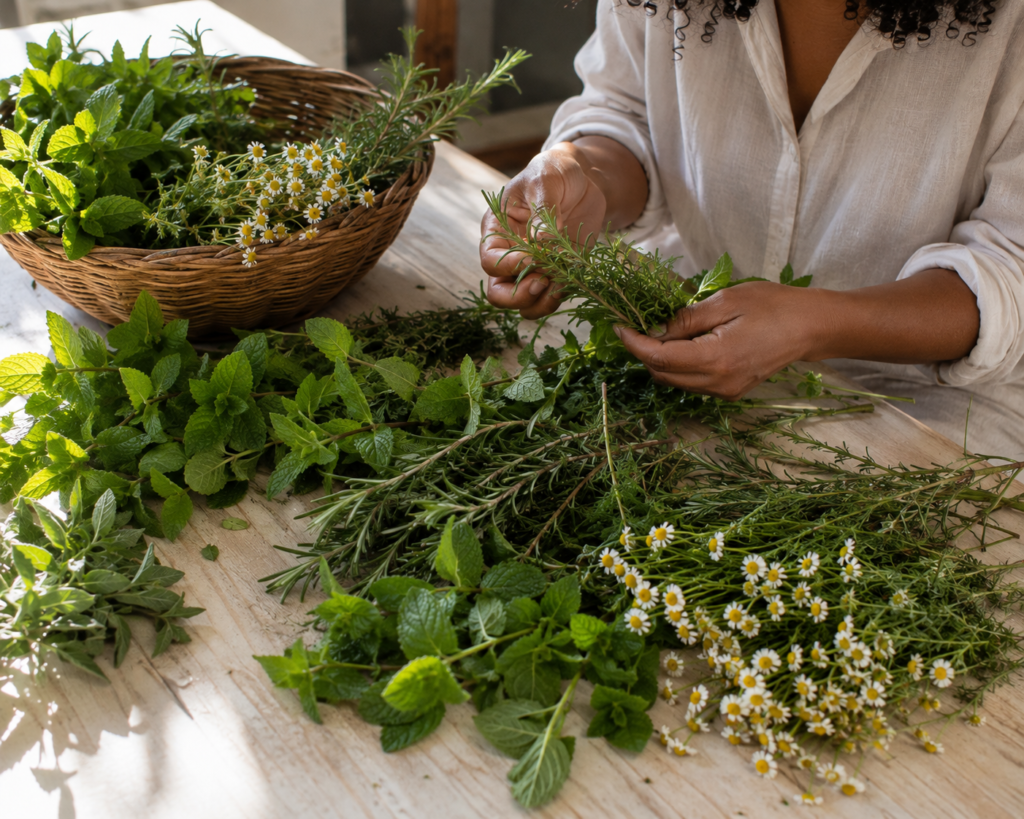
Some plants are used fresh. Others are dried. Certain botanical materials may be infused into oils or water, ground into powders, distilled, or processed in other ways appropriate to their intended use.
These methods are not interchangeable, and neither are the resulting preparations.
That is why two products displaying the same familiar plant name may look, smell, feel, or function differently. The concentration, plant part, preparation method, supporting ingredients, and intended use can all vary.
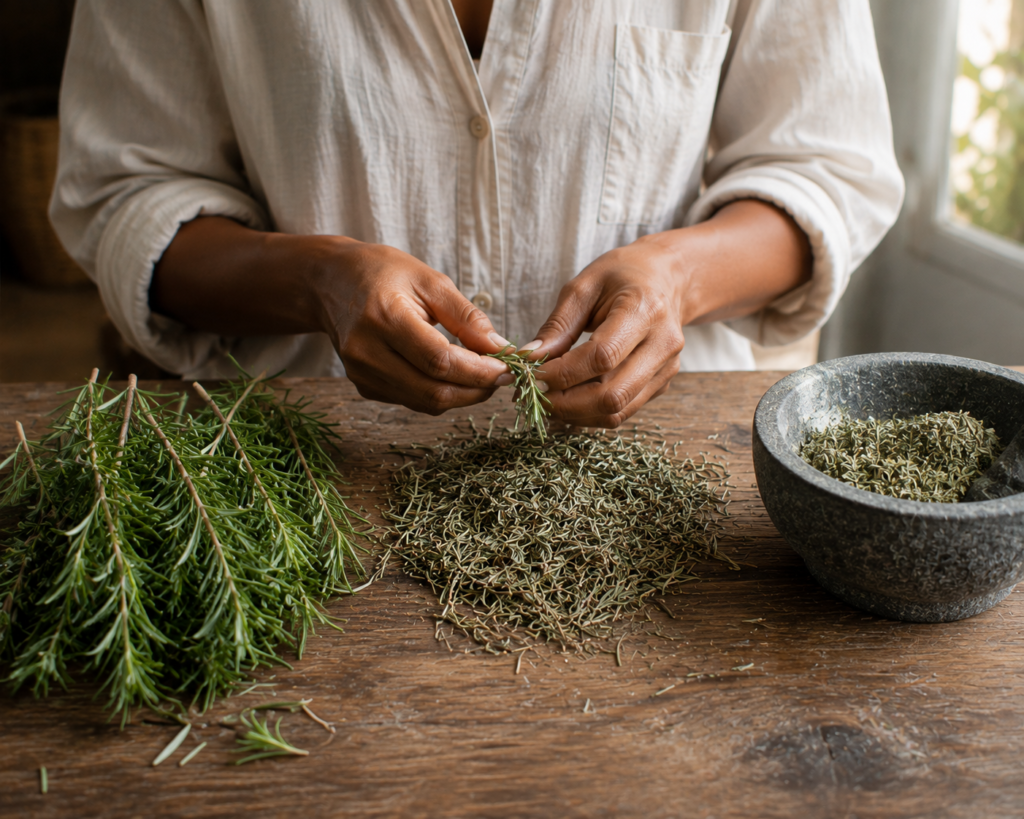
For everyday consumers, there is no need to memorize every extraction technique. A more practical habit is learning to read beyond the front of a package.
Look at ingredient information. Follow directions for use. Pay attention to storage guidance. When something is unclear, ask questions rather than filling the gap with assumptions.
Storage Is Part of Botanical Quality
The plant’s journey does not end when preparation is complete.
Light, moisture, air, heat, and time can affect botanical materials. Different preparations have different storage needs, so following the maker’s instructions matters.
At home, this can be surprisingly simple.
Avoid keeping dried herbs where steam repeatedly reaches them. Do not assume every botanical oil belongs in the same location. Check expiration or best-use guidance where provided. Notice unexpected changes in odor, appearance, or texture.
An attractive shelf is not necessarily a well-kept apotheca.
Good storage is less about creating an aesthetic display and more about respecting the ingredient you already have.
Trace One Botanical Backward
You can practice this way of thinking without buying anything.
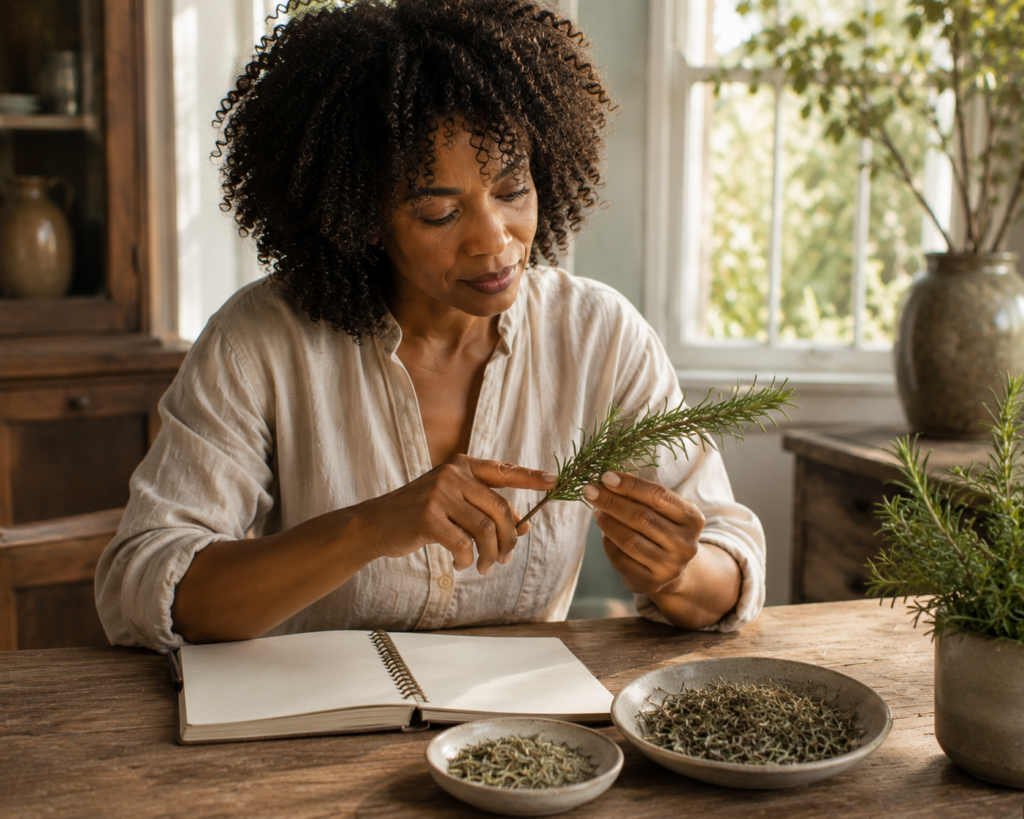
Choose one familiar botanical already in your home. It might be rosemary from the kitchen, chamomile prepared for tea, or another plant ingredient you use regularly.
Then trace it backward:
- What form is it in now?
- Which part of the plant does it come from?
- Was it dried, infused, ground, or otherwise prepared?
- Where was it grown, if that information is available?
- How should you store it?
- What reliable information can you find about its traditional use and safety?
You may not find every answer. That is part of the exercise. Botanical literacy includes recognizing what we do not know.
Why Origins Matter in a Modern Apotheca
Learning about origins does not mean every botanical must come from your backyard or that traditional preparations are automatically superior to modern ones.
It means becoming a more curious participant in your own choices.
A modern apotheca can hold both heritage and contemporary knowledge. Traditional plant use can offer valuable cultural context, while modern research and safety guidance can help us understand limitations, interactions, and appropriate use.
Neither requires exaggerated promises.
The more we understand the path between plant and preparation, the easier it becomes to appreciate botanical ingredients without treating “natural” as a guarantee of safety or effectiveness.
Key Takeaways
- Every botanical ingredient has a story that begins before the finished product.
- Plant identity, plant part, growing conditions, harvest, preparation, and storage all add context.
- The word “natural” alone does not explain how an ingredient was produced or how it should be used.
- Reading ingredient information and storage guidance can support more thoughtful choices.
- You can build botanical literacy by tracing one familiar ingredient backward to its plant origin.
- Curiosity is more useful than assuming every botanical claim is meaningful.
Final Thoughts
An apotheca becomes more interesting when we stop seeing botanicals only as things on a shelf.
Behind every dried leaf, oil, powder, or infusion is a plant that grew somewhere, under particular conditions, before someone harvested and prepared it. Remembering that origin can change the questions we ask.
Instead of beginning with “What will this do for me?” try beginning with “What is this, where did it come from, and how did it get here?”
That is a quieter kind of botanical knowledge, but it can be powerful. It replaces vague assumptions with curiosity and encourages a relationship with natural wellness built on understanding rather than trends.
Natural and herbal wellness can complement everyday well-being, but they do not replace professional medical care. Botanicals may cause sensitivities, interact with medications, or be unsuitable in certain circumstances. Consult a qualified healthcare professional when you have questions about safe use, especially during pregnancy or nursing, when taking medications, or when managing a health condition.
The journey of an apotheca ingredient does not begin with the bottle. It begins with the plant—and learning to look that far back can help us see botanical wellness more clearly.