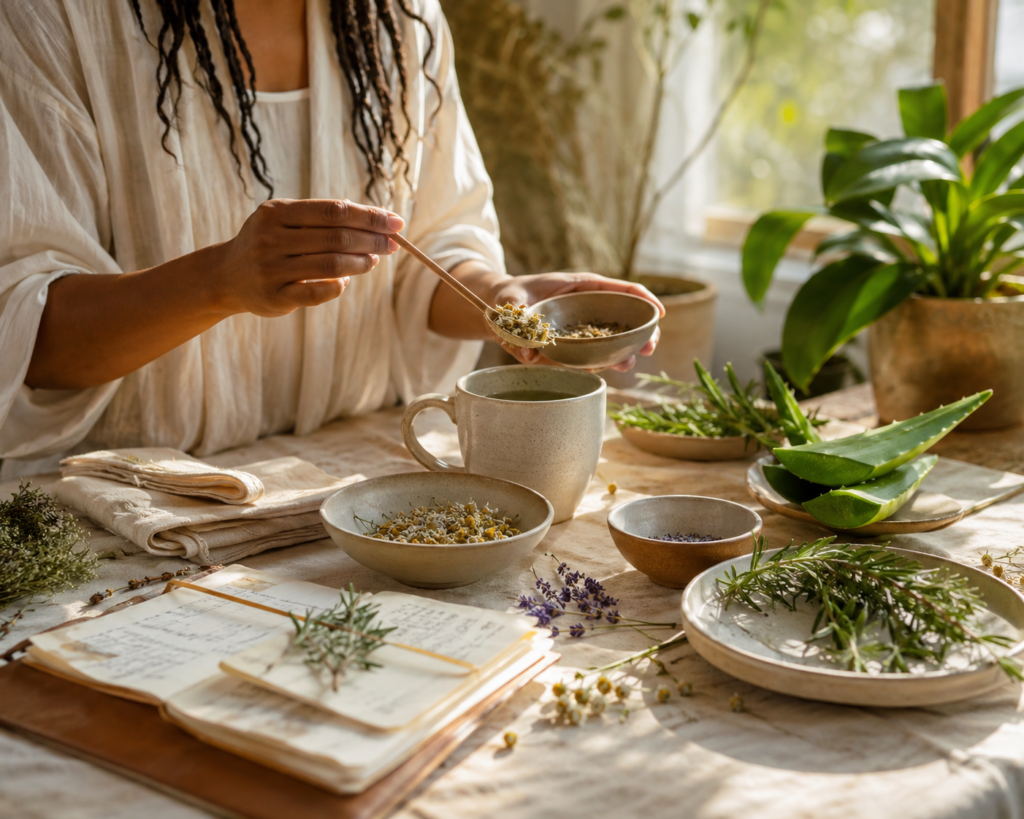
In recent years, more people have started looking beyond quick fixes and embracing slower, more intentional approaches to caring for their bodies and minds. This growing interest has fueled the rise of botanical beauty and herbal wellness products, inspired by generations of traditional herbal knowledge and modern appreciation for plant-based living.
Rather than chasing complicated routines, many people are rediscovering the comfort of herbs, botanical oils, and simple daily rituals that encourage mindfulness and self-care. While herbal wellness isn’t new, its renewed popularity reflects a desire to reconnect with nature in meaningful and sustainable ways.
Whether you’re just beginning your botanical wellness journey or refining an existing routine, understanding the role of herbs can help you make thoughtful choices that align with your lifestyle.
Key Takeaways
- Botanical beauty reflects a growing appreciation for plant-inspired wellness.
- Traditional herbal knowledge continues to inspire modern self-care routines.
- Consistent, mindful habits often matter more than complicated routines.
- Botanical ingredients may support relaxation and everyday wellness when used thoughtfully.
- Small rituals can help create meaningful moments of balance throughout the day.
Why Botanical Beauty Is Becoming More Popular
Today’s wellness movement is about more than appearance—it’s about creating habits that nurture overall well-being.
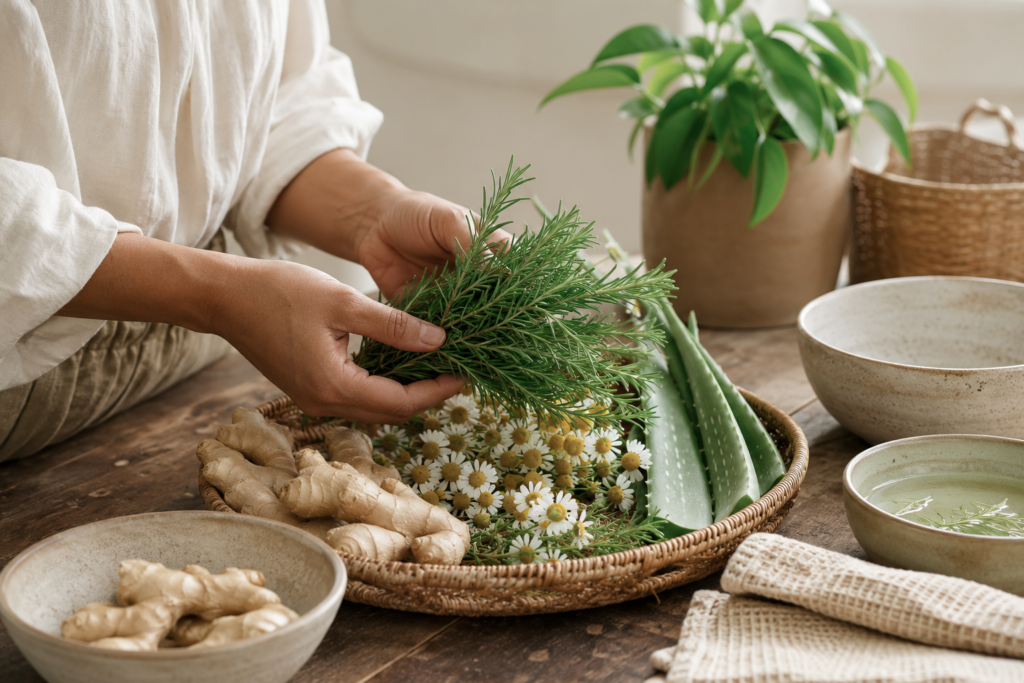
Many botanical ingredients have been traditionally used across cultures for generations. Plants such as chamomile, calendula, rosemary, aloe vera, ginger, and lavender continue to appear in beauty and wellness routines because of their long history of traditional use.
People are increasingly drawn to botanical products because they often emphasize:
- Simple ingredient lists
- Plant-based traditions
- Mindful self-care rituals
- Gentle everyday routines
- Sustainable lifestyle choices
For many individuals, the experience itself matters just as much as the ingredients. Preparing herbal tea, massaging botanical oils into the skin, or enjoying calming aromas can create moments of intentional pause during busy days.
The Connection Between Beauty and Wellness
Beauty and wellness are becoming increasingly interconnected.
Instead of focusing solely on external appearance, many people now view healthy-looking skin, hair, and overall vitality as reflections of daily habits such as nutrition, hydration, rest, stress management, and consistent self-care.
Botanical Rituals May Support Everyday Wellness
Botanical wellness practices may include:
- Enjoying herbal teas during quiet moments
- Using herbal-infused oils during gentle massage
- Choosing botanical skincare ingredients
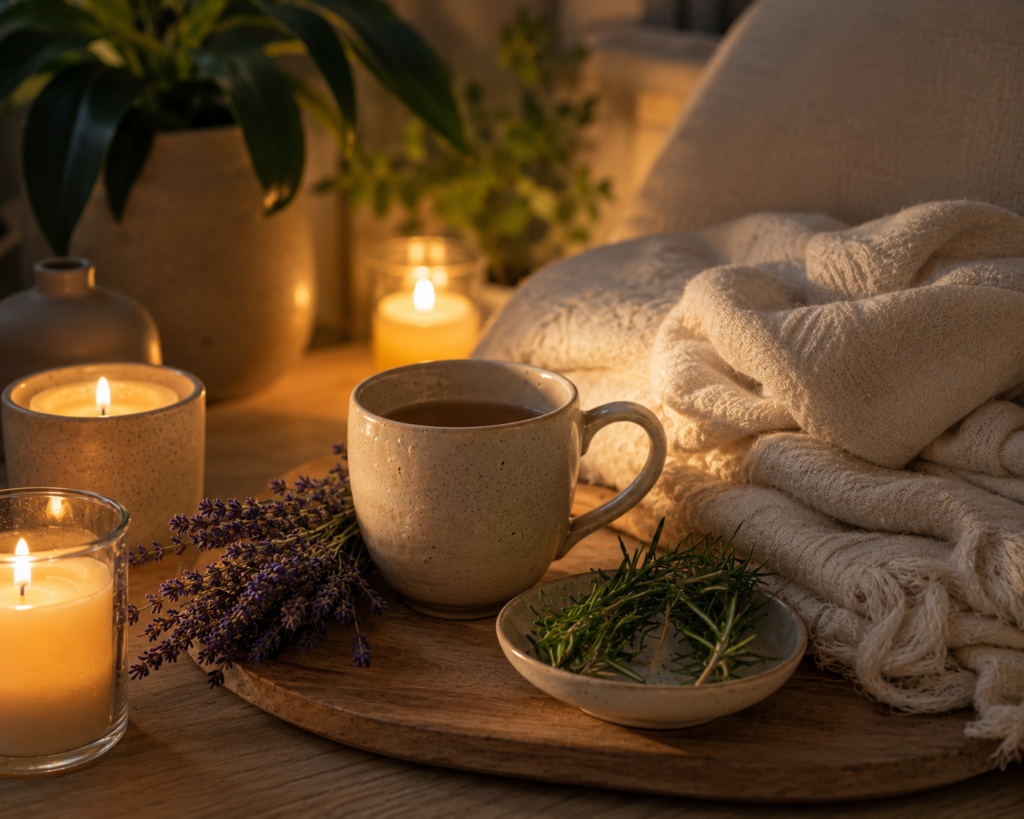
- Creating relaxing evening rituals with calming herbs
- Practicing mindful breathing while applying skincare
These simple habits may help promote relaxation and encourage consistency in self-care routines.
Traditional Herbal Wisdom Meets Modern Living
Across many cultures, herbs have long played a meaningful role in everyday wellness.
In Filipino traditions, practices like hilom emphasize nurturing the whole person through rest, gentle touch, warmth, and plant-based remedies passed down through generations.
Today, many people are combining this traditional knowledge with modern lifestyles by incorporating botanical ingredients into daily rituals in practical, accessible ways.
This blend of heritage and contemporary wellness helps preserve cultural traditions while encouraging thoughtful, intentional self-care.
Common Botanical Ingredients You May Encounter
Not every herb serves the same purpose, and each botanical has its own traditional uses.
Aloe Vera
Often used to help soothe and moisturize the skin.
Chamomile
Traditionally enjoyed for its calming qualities and commonly included in relaxing bedtime rituals.
Rosemary
Frequently used in hair care and aromatherapy traditions to help promote an invigorating self-care experience.
Ginger
Widely appreciated in herbal wellness practices for its warming qualities and comforting nature.
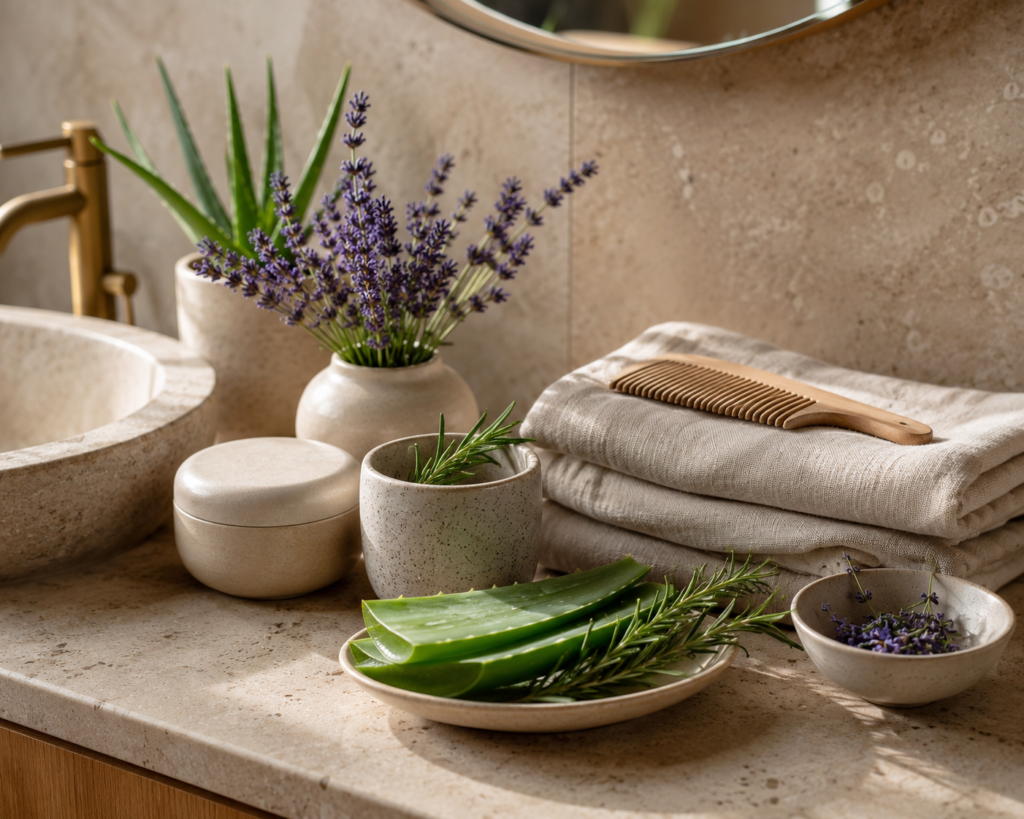
Lavender
Often incorporated into evening routines because its aroma may help create a peaceful atmosphere.
Remember that individual experiences vary, and herbal traditions should be viewed as part of a broader wellness lifestyle.
Common Misconceptions About Herbal Wellness
As botanical wellness becomes more popular, it’s easy to encounter misinformation.
“Natural Means Instant Results”
Natural products typically work best as part of consistent, long-term self-care rather than overnight solutions.
“More Is Always Better”
Using larger amounts of herbal products doesn’t necessarily improve results. Following recommended directions and listening to your body’s needs is often the most balanced approach.
“Every Herb Works for Everyone”
Everyone’s skin, preferences, and lifestyle are different. Patch testing topical products and introducing new wellness habits gradually may help you find what works best for you.
Practical Ways to Bring Botanical Wellness Into Daily Life
Building a botanical lifestyle doesn’t require replacing everything you currently use.
Instead, begin with one or two mindful habits.
Start Your Morning Slowly
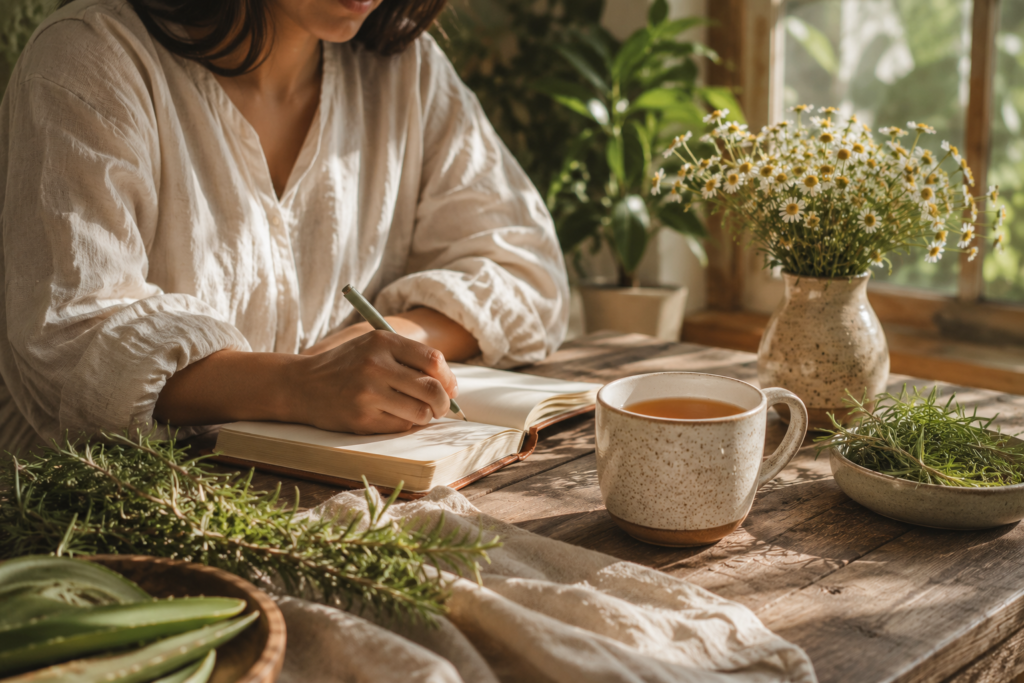
Sip a warm herbal tea while setting an intention for the day.
Create an Evening Wind-Down Ritual
Spend a few quiet minutes applying botanical skincare or practicing gentle self-massage before bedtime.
Surround Yourself with Nature
Keep fresh herbs or indoor plants nearby to create a calming environment.
Practice Mindful Self-Care
Rather than rushing through routines, focus on slowing down and appreciating each step.
Small rituals practiced consistently often feel more sustainable than dramatic lifestyle changes.
Choosing Botanical Products Thoughtfully
With so many herbal wellness products available today, thoughtful selection matters.
Consider choosing products that:
- Clearly identify botanical ingredients
- Offer transparent ingredient information
- Align with your personal wellness goals
- Encourage realistic expectations
- Support sustainable practices where possible
Remember that botanical wellness is about creating enjoyable routines rather than striving for perfection.
Final Thoughts
The growing interest in botanical beauty and herbal wellness reflects something deeper than skincare or personal care trends—it represents a desire to slow down, reconnect with nature, and care for ourselves with greater intention.
Whether your routine includes a calming cup of herbal tea, a soothing botanical massage, or simply taking a few quiet moments each day, these small practices can help cultivate lasting wellness habits over time.
Natural wellness works best when approached with curiosity, patience, and balance. While herbs have been traditionally used to support everyday well-being, they complement—rather than replace—professional medical advice, diagnosis, or treatment. If you have health concerns, are pregnant, nursing, or take prescription medications, consult a qualified healthcare professional before beginning new herbal practices.