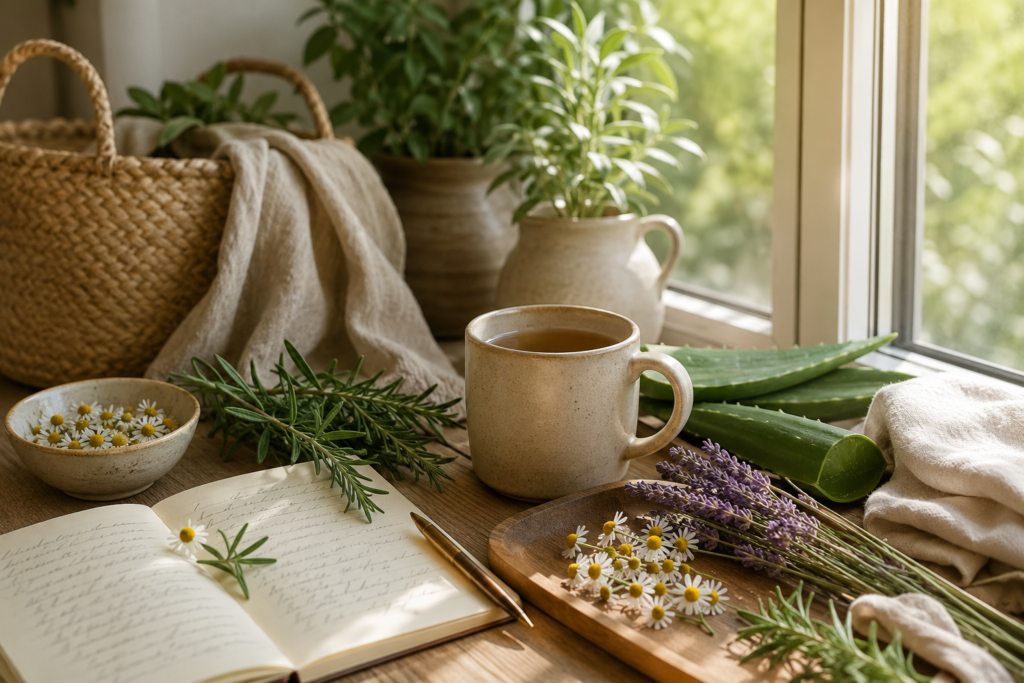
The growing interest in botanical wellness isn’t simply about returning to nature—it’s about slowing down, creating meaningful rituals, and caring for ourselves with intention. Around the world, people have long turned to herbs, flowers, roots, and plant oils as part of everyday wellness traditions, passing down knowledge through generations.
Today, botanical self-care continues to evolve. Modern lifestyles may be busier than ever, but many people are rediscovering simple herbal practices that help bring moments of calm into hectic days. Whether it’s massaging a botanical balm into tired muscles, rinsing hair with a nourishing herbal tea, or enjoying a comforting botanical elixir, these rituals encourage us to pause and reconnect with ourselves.
Rather than offering quick fixes, botanical wellness invites consistency, mindfulness, and gentle care.
Key Takeaways
- Botanical wellness focuses on creating mindful daily rituals using plant-based ingredients.
- Herbal balms, hair teas, and botanical elixirs each serve different wellness purposes.
- Many herbs have been traditionally used for generations to support overall well-being.
- Consistency often matters more than complexity.
- Natural wellness complements—not replaces—professional healthcare.
What Is Botanical Wellness?
Botanical wellness is the practice of incorporating plants into daily self-care routines in thoughtful and practical ways. It isn’t about replacing medicine or chasing miracle remedies. Instead, it’s about using herbs that have been traditionally valued for their comforting, aromatic, or nourishing qualities while embracing healthy lifestyle habits.
Many common herbs—including chamomile, rosemary, ginger, calendula, lavender, and aloe vera—have been traditionally used across cultures for relaxation, skin care, hair care, or digestive comfort. While research into herbal wellness continues to grow, it’s important to approach botanical care with realistic expectations and balanced understanding.
The greatest benefit often comes from the ritual itself: taking a few mindful moments each day to care for your body and mind.
Understanding Botanical Balms
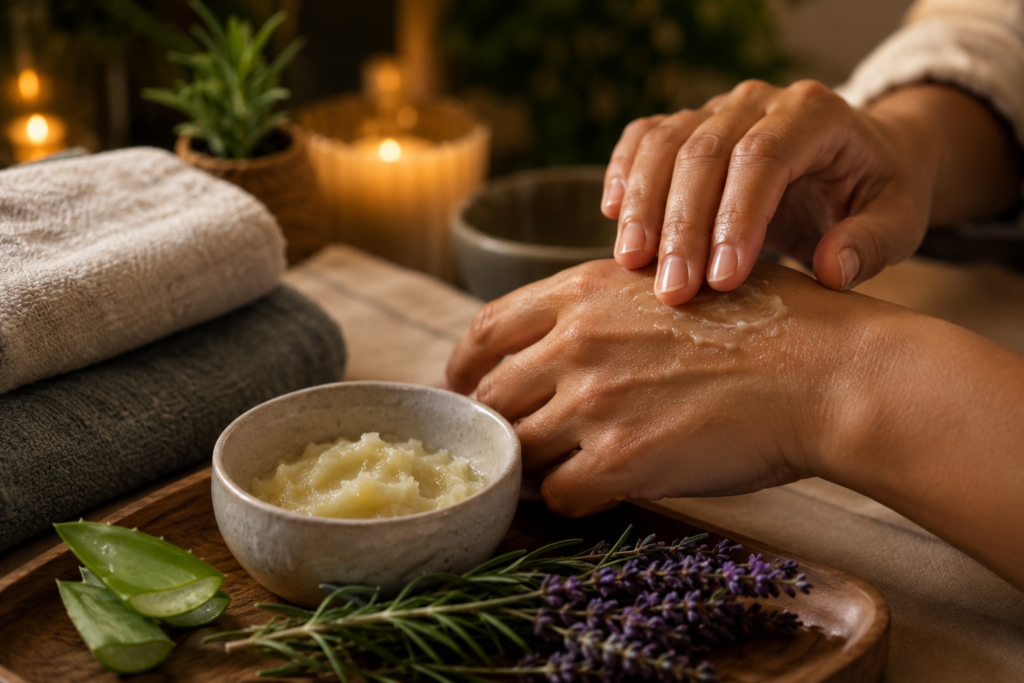
Botanical balms are concentrated blends of nourishing oils, herbal extracts, and natural waxes designed for external use. They are commonly applied to dry skin, massage routines, or areas that simply need extra care and attention.
How Are They Traditionally Used?
Many people incorporate botanical balms into routines such as:
- Evening hand and foot massages
- Dry skin care
- Gentle shoulder or neck massage after a long day
- Cuticle care
- Mindful bedtime rituals
The combination of touch and aromatic botanicals can help promote relaxation while encouraging moments of intentional self-care.
One common misconception is that herbal balms must feel intensely cooling or warming to be effective. In reality, many botanical formulations are appreciated simply for their nourishing ingredients and comforting application experience.
What Makes Hair Teas Different?
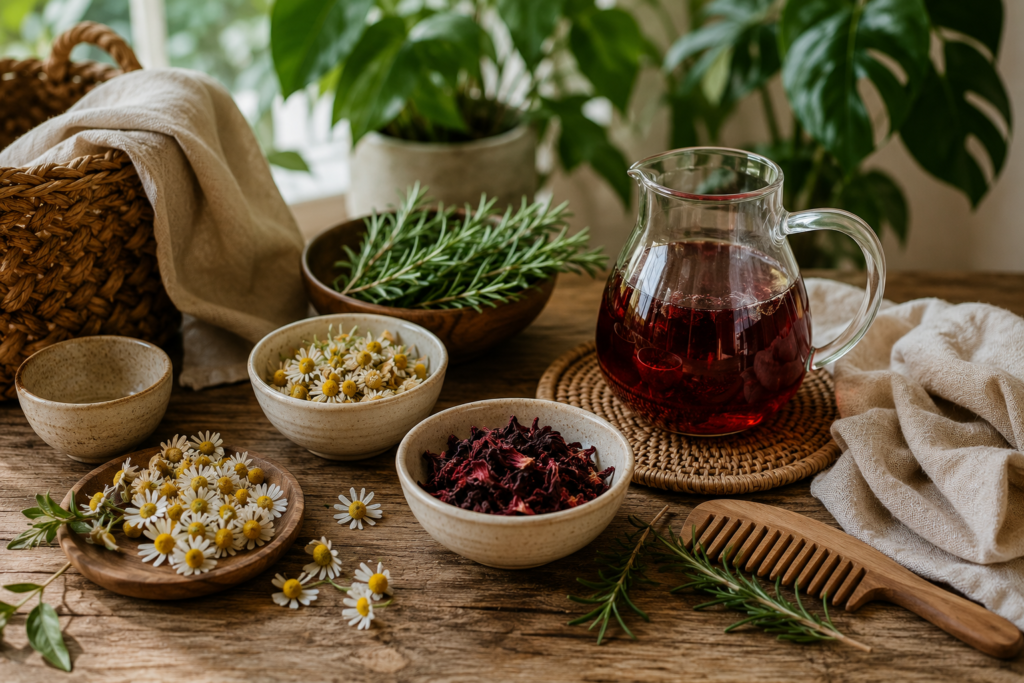
Unlike traditional drinking teas, botanical hair teas are herbal infusions prepared specifically for external hair care.
Many people enjoy using herbal rinses after shampooing or as refreshing scalp mists between washes. Depending on the herbs selected, hair teas may help support a comfortable scalp environment while adding a refreshing botanical experience to hair care routines.
Herbs Commonly Found in Hair Teas
Some traditionally used botanicals include:
- Rosemary
- Chamomile
- Nettle
- Hibiscus
- Rice water combined with herbs
- Lavender
Rather than expecting overnight transformation, think of hair teas as part of consistent long-term hair care alongside healthy nutrition and gentle hair practices.
Botanical Elixirs: More Than Just Herbal Drinks
Botanical elixirs are beverages crafted using herbs, roots, spices, fruits, or botanicals that have traditionally been enjoyed as part of daily wellness rituals.
While recipes vary around the world, many include familiar ingredients like ginger, turmeric, cinnamon, lemon, peppermint, or floral herbs.
These drinks may support hydration, encourage mindful pauses throughout the day, and provide comforting flavours that make healthy habits easier to maintain.
Rather than viewing botanical elixirs as solutions, consider them small rituals that complement balanced nutrition, regular movement, and adequate rest.
Creating Your Own Botanical Ritual
One of the beautiful aspects of botanical wellness is that it doesn’t require elaborate routines.
A Simple Daily Example
Morning:
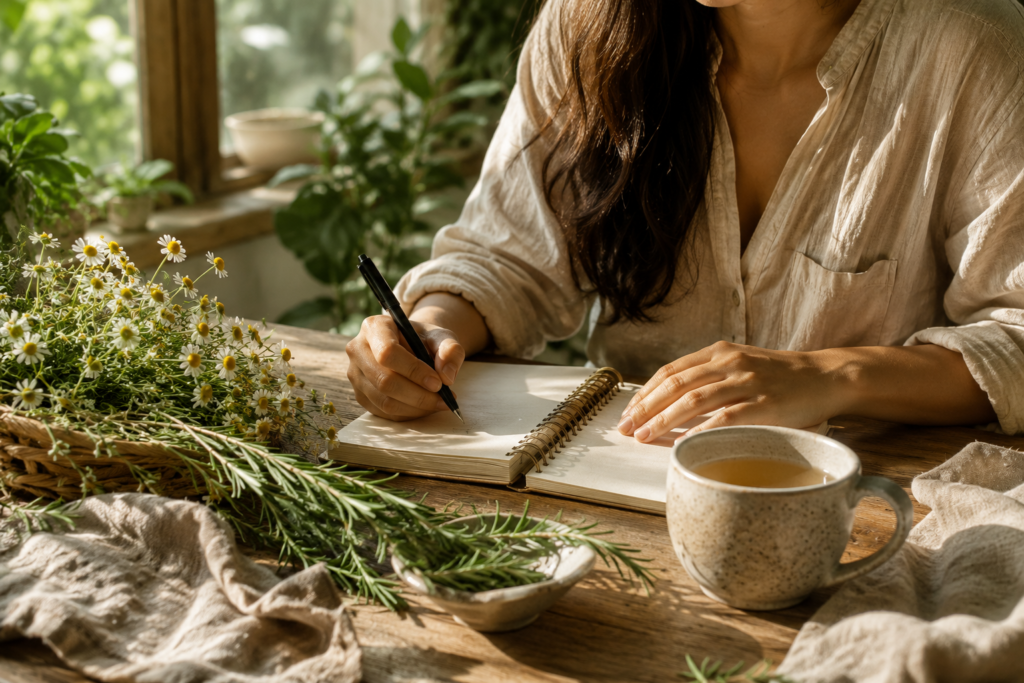
- Enjoy a warm botanical elixir while journaling.
Afternoon:
- Refresh with a calming herbal tea break.
Evening:
- Massage hands or feet using a botanical balm before bed.
These small moments may help create consistency while encouraging mindfulness throughout the day.
Common Misconceptions About Botanical Wellness
“Natural Means Instant”
Plant-based wellness usually works best as part of consistent, long-term healthy habits rather than providing immediate results.
“More Herbs Are Better”
Using numerous botanicals isn’t necessarily more beneficial. Often, simple routines are easier to maintain and more enjoyable.
“Herbal Wellness Replaces Medical Care”
Botanical wellness can complement healthy living, but it should never replace professional medical advice, diagnosis, or treatment.
If you’re pregnant, breastfeeding, managing a medical condition, or taking medications, consult a qualified healthcare professional before introducing new herbal products into your routine.
Small Habits Create Meaningful Change
Wellness doesn’t have to involve dramatic lifestyle overhauls. Sometimes, the most lasting changes begin with small daily rituals—brewing a comforting herbal drink, caring for your hair with a botanical rinse, or taking a few quiet minutes to nourish your skin with a calming balm.
Over time, these intentional moments can help cultivate mindfulness, encourage self-care, and strengthen your connection with nature’s simple comforts.
Final Thoughts
Botanical wellness is less about finding the perfect product and more about cultivating intentional habits that fit naturally into everyday life. Herbal balms, hair teas, and botanical elixirs each offer unique ways to slow down, reconnect with nature, and create meaningful self-care rituals.
Remember that wellness is a personal journey, and small, sustainable practices often have the greatest impact over time. Approach botanical traditions with curiosity, balance, and realistic expectations, choosing routines that feel supportive of your lifestyle.
Finally, while herbs and botanical products have been traditionally used for generations and may support overall well-being, they are best viewed as complementary practices alongside a healthy lifestyle and professional medical advice when needed.