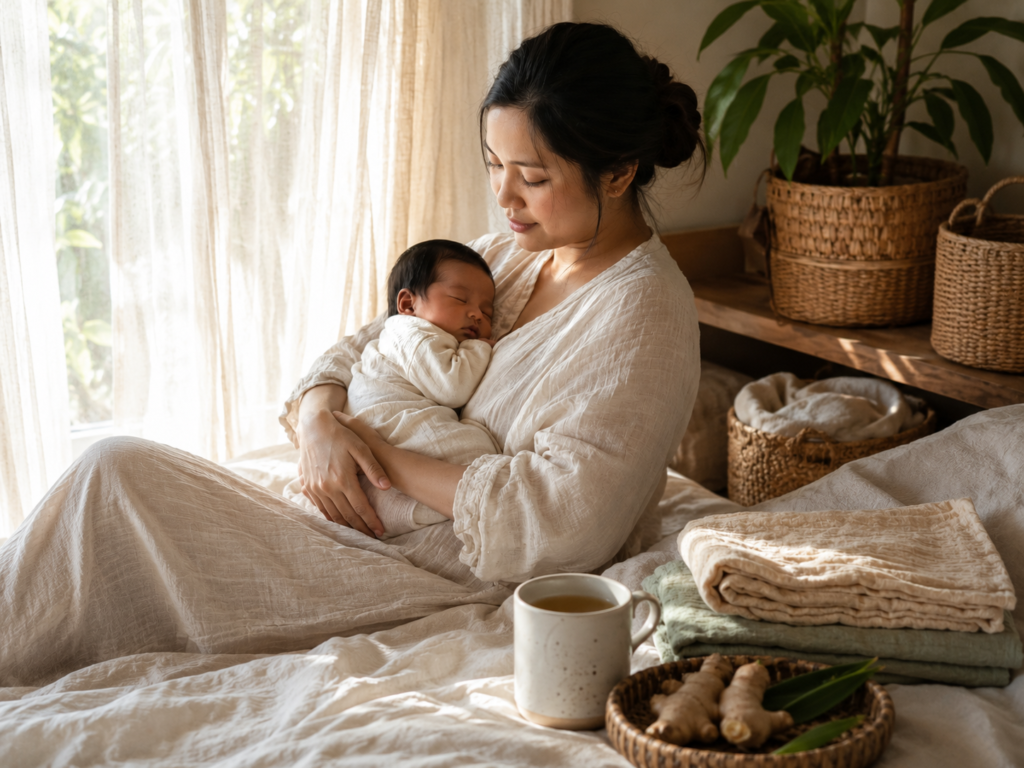
Bringing a new baby into the world is a profound life experience that transforms the body, mind, and spirit. While much attention is often placed on pregnancy and childbirth, the weeks that follow are equally important. In Filipino culture, postpartum self-care traditions have long emphasized rest, nourishment, warmth, and the support of loved ones—recognizing that caring for the mother is an essential part of caring for the growing family.
Many of these traditions have been passed down through generations. Although modern lifestyles have changed how they’re practiced, their underlying message remains timeless: healing takes patience, compassion, and community. Today, these customs can inspire thoughtful, evidence-informed wellness routines that complement modern postpartum care.
Key Takeaways
- Filipino postpartum traditions emphasize rest, warmth, nourishment, and community support.
- Herbal wellness practices have deep cultural roots and may complement a holistic recovery routine.
- Gentle rituals can help create moments of calm during the fourth trimester.
- Every postpartum journey is unique, and recovery deserves patience and compassion.
- Traditional practices work best alongside evidence-based medical care.
The Importance of the Postpartum Period
The postpartum period, often called the “fourth trimester,” is a time when the body gradually recovers from pregnancy and childbirth while adapting to the physical and emotional demands of caring for a newborn.
Traditional Filipino communities viewed this phase as a sacred period of restoration rather than a time to immediately return to everyday responsibilities. Many customs encouraged slowing down, accepting help, and allowing the body time to recover naturally.
While every recovery journey is unique, prioritizing rest and gentle self-care may support overall well-being during this significant life transition.
The Role of Warmth in Filipino Healing Traditions
One recurring theme in Filipino postpartum practices is maintaining warmth throughout the body.
Traditionally, mothers were encouraged to:
- Wear warm clothing
- Avoid prolonged exposure to cold air
- Drink warm soups and herbal beverages
- Take warm baths once approved by their healthcare provider
These customs were believed to help promote comfort and support recovery.
Although scientific evidence on some traditional beliefs remains limited, warm environments can often feel soothing, encourage relaxation, and promote a sense of comfort during recovery.
Nourishing the Body Through Traditional Foods
Food has always played a central role in Filipino postpartum care.
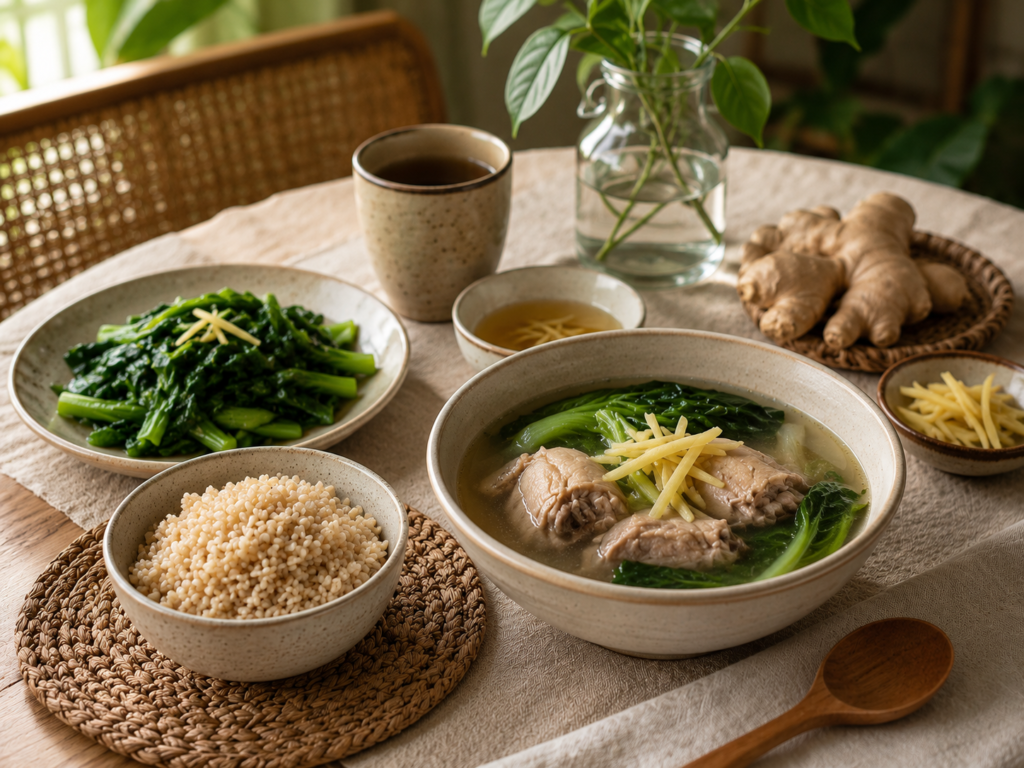
Families often prepare nutrient-rich meals designed to nourish new mothers, including:
Warm Soups and Broths
Chicken soup, ginger-based broths, and vegetable soups provide hydration while offering comforting, easy-to-digest meals.
Ginger
Ginger has been traditionally used in many cultures to support digestion and provide a warming sensation. Some people also enjoy it as part of herbal teas or soups.
Leafy Greens and Vegetables
Fresh vegetables contribute important vitamins, minerals, and fiber that support overall health as part of a balanced diet.
Rather than focusing on strict dietary rules, many Filipino households encourage eating nourishing meals consistently throughout recovery.
Hilot: The Traditional Art of Gentle Touch
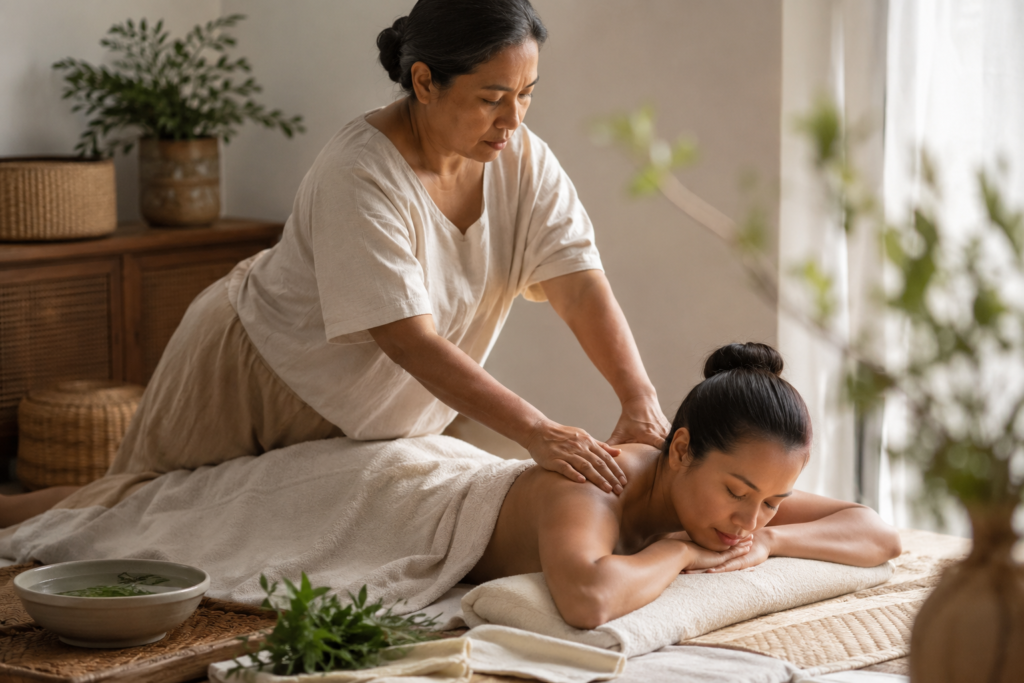
One of the most recognized Filipino healing traditions is Hilot, a form of therapeutic massage that has been practiced for generations.
After childbirth, some families traditionally seek trained Hilot practitioners to provide gentle bodywork intended to promote relaxation and comfort.
It’s important to remember that postpartum massage is not appropriate for everyone or at every stage of recovery. Mothers should always consult their healthcare provider before receiving any bodywork, particularly after cesarean birth or if complications occurred.
When appropriate, gentle massage may help promote relaxation, body awareness, and emotional well-being.
Herbal Traditions Passed Through Generations
Plants have long been woven into Filipino wellness traditions.
Some herbs traditionally used in postpartum self-care include:
Lagundi
Traditionally appreciated within Filipino herbal practices and commonly enjoyed as part of broader wellness traditions.
Ginger
Frequently incorporated into meals and warm beverages for its comforting qualities.
Turmeric
Traditionally used in many cultures and valued as part of balanced, plant-rich diets.
These herbs have cultural significance, but they should be used thoughtfully. Herbal practices may complement wellness routines but should never replace professional medical care or prescribed treatments.
The Healing Power of Rest and Community
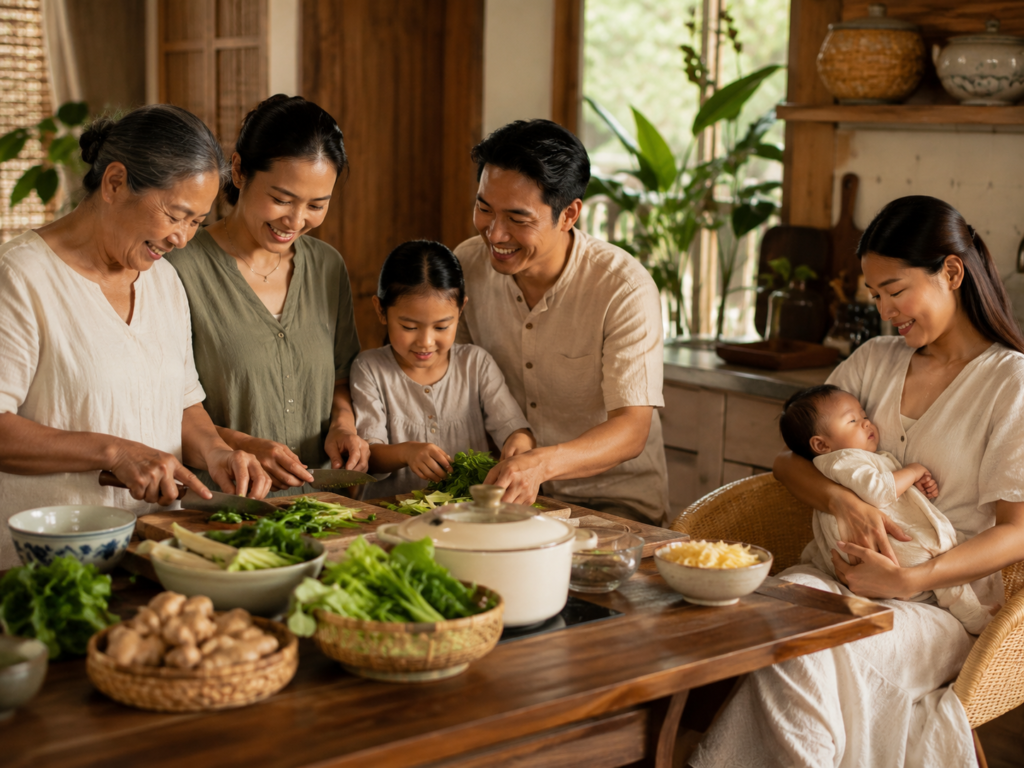
One beautiful aspect of Filipino postpartum traditions is the emphasis on shared responsibility.
Rather than expecting new mothers to manage everything alone, family members often:
- Prepare meals
- Help with household chores
- Care for older children
- Watch the baby while the mother rests
- Offer emotional encouragement
Modern research increasingly recognizes the value of strong social support during the postpartum period. Feeling cared for may contribute to emotional resilience and overall well-being.
Sometimes, accepting help can be one of the healthiest forms of self-care.
Common Misconceptions About Traditional Postpartum Care
“Traditional practices should replace medical care.”
Not at all.
Traditional wellness practices can complement modern healthcare but should never replace medical advice, prescribed medications, or postpartum checkups.
“Every Filipino family follows the same traditions.”
Filipino culture is wonderfully diverse. Customs often vary depending on region, family history, and personal beliefs.
“Self-care has to be complicated.”
Many meaningful traditions are surprisingly simple:
- Drinking enough water
- Enjoying nourishing meals
- Resting when possible
- Spending quiet moments outdoors
- Asking loved ones for support
Small, consistent habits often make the greatest difference.
Bringing Filipino Traditions Into Modern Life
You don’t need to recreate every ancestral practice to embrace their wisdom.
Instead, consider simple daily rituals such as:
Create a Warm Morning Routine
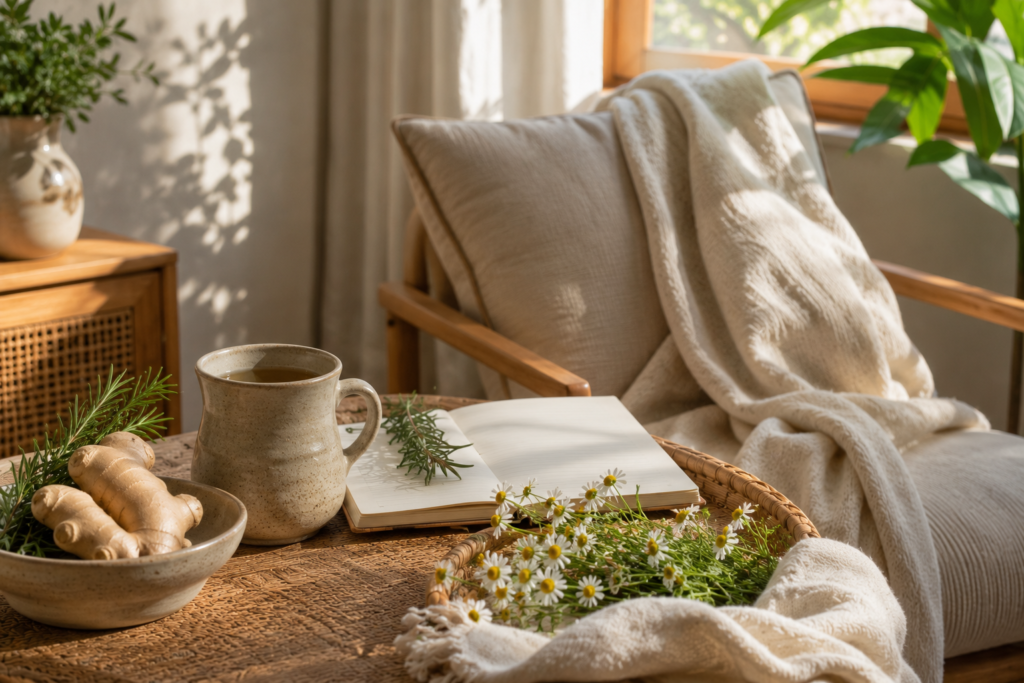
Enjoy a nourishing breakfast and a warm herbal tea while taking a few slow breaths before the day begins.
Practice Gentle Movement
When approved by your healthcare provider, light stretching or short walks may help support mobility and relaxation.
Build Moments of Rest
Even ten quiet minutes can become a meaningful act of self-care.
Stay Connected
Reach out to trusted family members, friends, or postpartum support groups whenever you need encouragement.
Final Reflections
Postpartum recovery is not a race—it’s a season of healing, adjustment, and renewal. Filipino traditions remind us that caring for a new mother is an act of love that extends beyond physical recovery to include emotional, mental, and spiritual well-being.
Whether it’s sharing a warm meal, taking time to rest, enjoying gentle herbal rituals, or accepting support from loved ones, small daily practices can help cultivate a more nurturing postpartum experience. By honoring both traditional wisdom and modern healthcare, families can create balanced routines that support healing one mindful step at a time.
Natural wellness practices are intended to complement—not replace—professional medical advice. Always consult your healthcare provider regarding postpartum recovery, herbal use, massage therapy, or any health concerns following childbirth.