In today’s fast-paced world, moments of rest can feel like a luxury rather than a necessity. Between busy schedules, screen time, and everyday responsibilities, it’s easy to overlook the importance of slowing down and caring for both body and mind. Sometimes, the smallest rituals—a few mindful breaths, a warm cup of herbal tea, or gently massaging a nourishing balm into your skin—can create meaningful moments of calm.
For centuries, herbal balms have been part of traditional wellness practices across many cultures. Made with botanical oils, herbal extracts, and rich plant-based ingredients, these balms are often used to soothe dry skin while encouraging moments of relaxation and intentional self-care. While they are not a cure or treatment for medical conditions, herbal balms may support comfort and help promote a calming daily routine that benefits overall wellbeing.
Key Takeaways
- Herbal balms combine nourishing botanicals with mindful self-care.
- Daily application may help support skin comfort while encouraging relaxation.
- Evening rituals often promote a smoother transition into rest.
- Botanical ingredients have a long history of traditional wellness use.
- Natural wellness practices work best alongside healthy lifestyle habits and professional healthcare when needed.
Understanding Herbal Balms
Herbal balms are semi-solid botanical preparations typically crafted with nourishing oils, natural waxes, and herbal infusions. Their rich texture creates a protective layer on the skin that helps lock in moisture while allowing beneficial plant ingredients to remain in contact with the skin for longer.
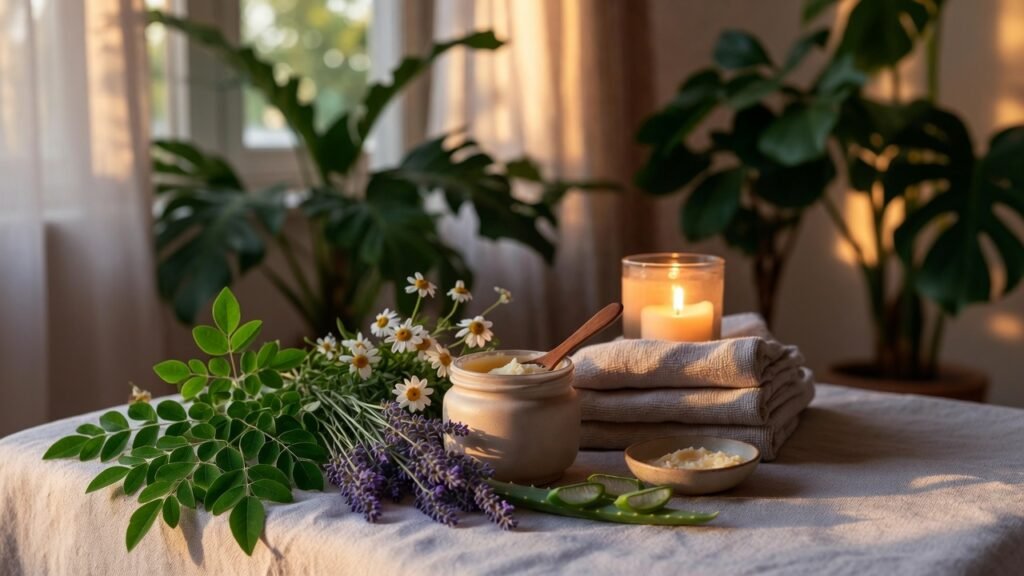
Many traditional herbal balms include ingredients such as:
- Calendula
- Chamomile
- Lavender
- Ginger
- Moringa
- Aloe vera
- Beeswax
- Shea butter
- Coconut oil
These botanicals have traditionally been used in herbal wellness practices to support skin hydration, comfort, and relaxation.
How Herbal Balms May Support Everyday Comfort
One of the greatest benefits of using an herbal balm is the opportunity to slow down and reconnect with your body.
Applying a balm isn’t simply about moisturizing the skin. The gentle massage, calming aromas, and intentional pause may all contribute to a more relaxing experience.
Nourishing Dry Skin
Environmental factors such as changing weather, frequent handwashing, or indoor heating can leave skin feeling dry and uncomfortable.
Botanical oils and natural butters may help:
- Support the skin’s moisture barrier
- Soften rough areas
- Promote smoother-feeling skin
- Help reduce feelings of dryness
Consistent skincare habits often make a greater difference than occasional intensive treatments.
Supporting Rest Through Evening Rituals
Rest begins long before bedtime.
Many wellness experts encourage creating calming evening routines that signal to the body it’s time to unwind. Herbal balms can easily become part of this ritual.
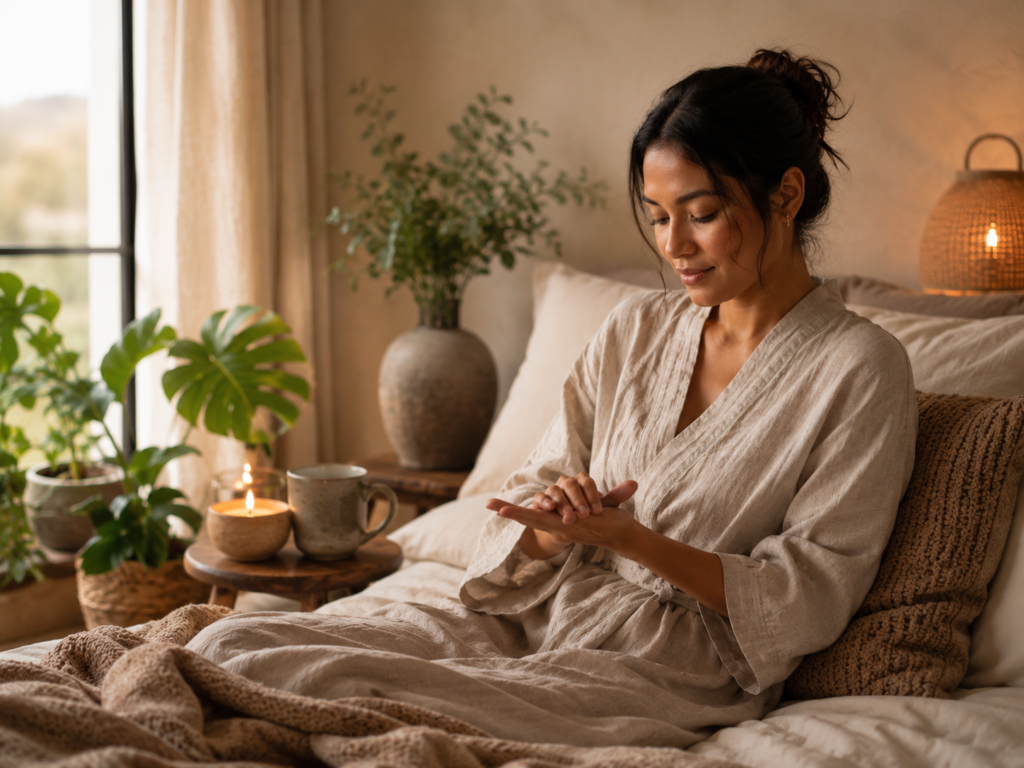
Consider applying a balm after a warm shower while practicing slow breathing or gentle stretching. Pair the experience with dim lighting, calming music, or herbal tea to create a peaceful atmosphere.
The ritual itself—not just the balm—may help promote feelings of relaxation after a busy day.
The Power of Mindful Touch
Touch is often overlooked as part of everyday wellness.
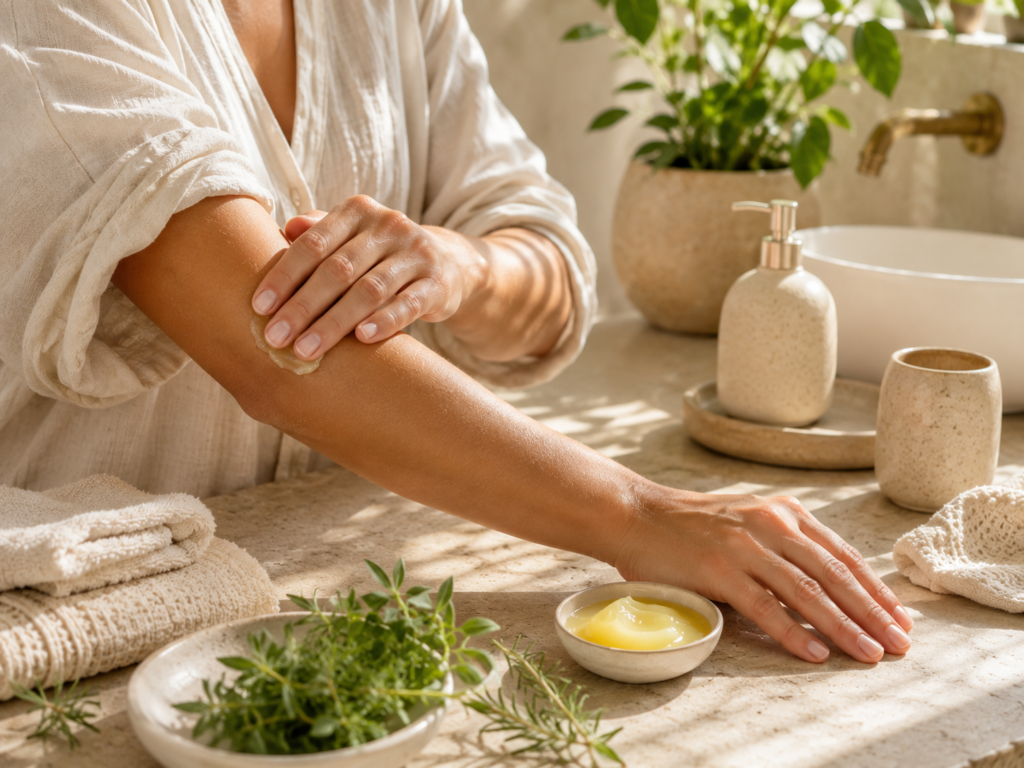
Taking a few minutes to gently massage herbal balm into areas such as the hands, feet, elbows, or shoulders encourages awareness of your body and creates a simple opportunity to pause.
This mindful practice may help:
- Encourage relaxation
- Reduce everyday tension
- Promote body awareness
- Support intentional self-care habits
While everyone’s experience is different, many people find these quiet rituals comforting after long days.
Common Misconceptions About Herbal Balms
“They’re Only for Dry Skin”
Although herbal balms are widely appreciated for moisturizing dry areas, many people also enjoy using them during relaxation rituals or as part of mindful skincare routines.
“Natural Means Instant Results”
Natural wellness focuses on consistency rather than quick fixes.
Like many healthy habits, botanical skincare often works best when used regularly alongside balanced nutrition, hydration, movement, and quality sleep.
“More Is Better”
A small amount is often enough. Applying excessive amounts doesn’t necessarily improve the experience and may simply leave excess product on the skin.
Creating Your Own Daily Renewal Ritual
You don’t need an elaborate wellness routine to experience meaningful moments of self-care.
Try this five-minute daily ritual:
Step 1: Pause
Take three slow, deep breaths.
Step 2: Apply
Massage herbal balm into your hands, feet, or other dry areas using gentle circular motions.
Step 3: Breathe
Notice the botanical aroma and allow yourself a few quiet moments.
Step 4: Reflect
Think of one thing you’re grateful for before continuing with your day or preparing for rest.
These small rituals can help transform ordinary moments into opportunities for restoration.
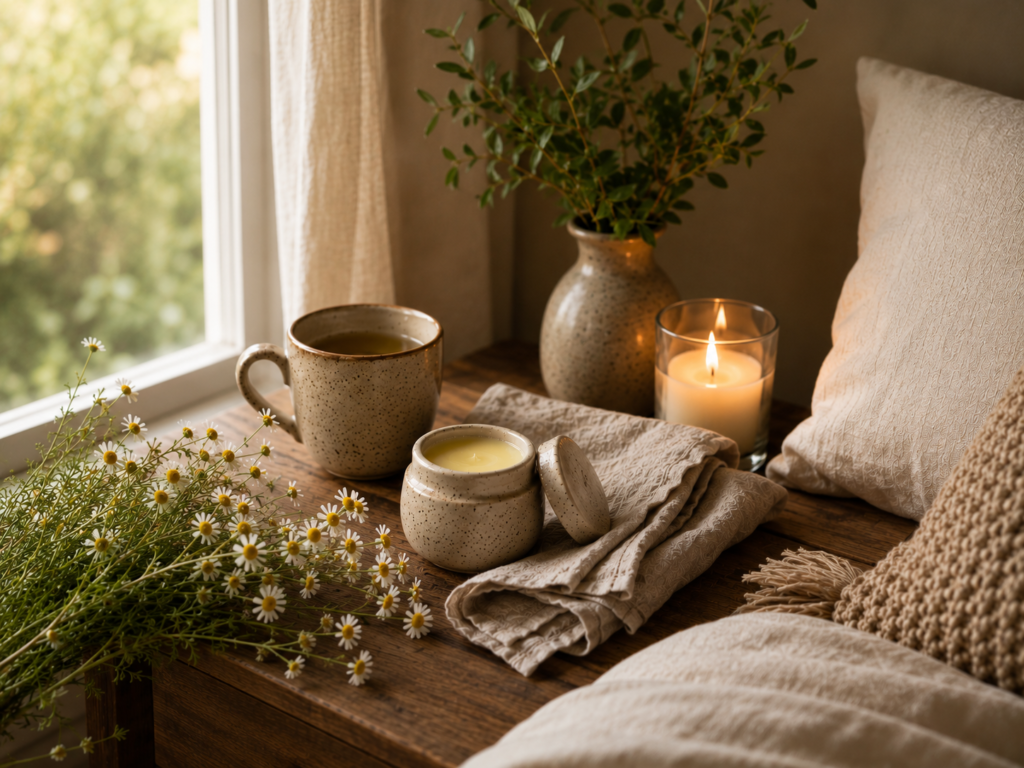
Pair Herbal Balms with Other Holistic Habits
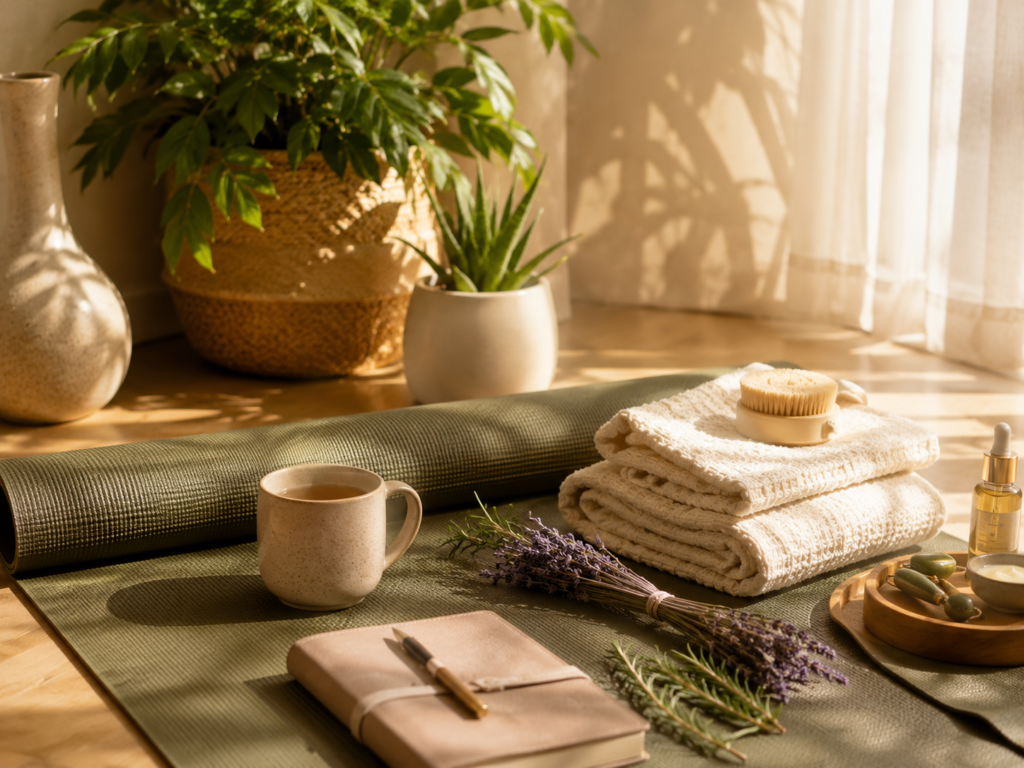
Herbal balms become even more meaningful when combined with healthy lifestyle practices.
Consider pairing your daily ritual with:
- Drinking enough water
- Gentle stretching
- Mindful breathing
- Regular movement
- Balanced meals
- Consistent sleep routines
- Time spent outdoors
- Journaling or meditation
These habits work together to support a balanced approach to everyday wellness.
Final Takeaways
Herbal balms offer more than simple skincare—they invite us to slow down, reconnect with ourselves, and embrace moments of intentional care throughout the day. Whether used after a shower, before bed, or during a quiet pause in a busy afternoon, these botanical preparations can become meaningful reminders to nurture both body and mind.
While herbs and plant-based ingredients have been traditionally used to support comfort, hydration, and relaxation, they are most effective as part of a balanced wellness lifestyle. Pairing mindful rituals with nourishing foods, restorative sleep, regular movement, and stress management creates a more holistic approach to everyday wellbeing.
Remember that natural wellness complements—not replaces—professional medical advice, diagnosis, or treatment. If you have ongoing skin concerns, underlying health conditions, or questions about herbal ingredients, consult a qualified healthcare professional before introducing new products or practices into your routine.