For many Filipino families, healing has never been limited to medicine cabinets or clinic visits. It has often begun in the caring hands of a parent, grandparent, or community healer who understood the importance of rest, nourishing food, gentle touch, and nature’s gifts. This tradition, known as Hilot, continues to inspire people seeking a more mindful and balanced approach to wellness.
As modern life becomes increasingly fast-paced, many are rediscovering ancestral practices that encourage us to slow down and reconnect—with ourselves, our loved ones, and the natural world. While Hilot has evolved over time, its heart remains the same: caring for the whole person through compassion, observation, and intentional healing rituals.
Rather than replacing conventional healthcare, Hilot reminds us that everyday wellness can also be nurtured through simple practices that honour both tradition and modern knowledge.
Key Takeaways
- Hilot is a traditional Filipino healing practice passed down through generations.
- It combines therapeutic touch, herbal traditions, and holistic wellbeing.
- Many botanical ingredients have been traditionally used to promote comfort and relaxation.
- Small daily rituals inspired by Hilot can help support mindful self-care.
- Natural wellness works best alongside professional medical care—not in place of it.
Understanding the Tradition of Hilot
Hilot is one of the Philippines’ oldest healing traditions, rooted in Indigenous knowledge that has been passed from generation to generation through observation and lived experience.
Rather than focusing only on physical symptoms, Hilot traditionally considers the interconnected wellbeing of the body, mind, emotions, and environment. A Hilot practitioner often observes movement, posture, areas of tension, and overall balance before offering gentle massage techniques and wellness recommendations.
Although practices vary across regions and families, one thing remains consistent: healing is viewed as a deeply personal act of care.
Why Generational Knowledge Matters
Much of Hilot has survived because it was shared through everyday life rather than written in textbooks.
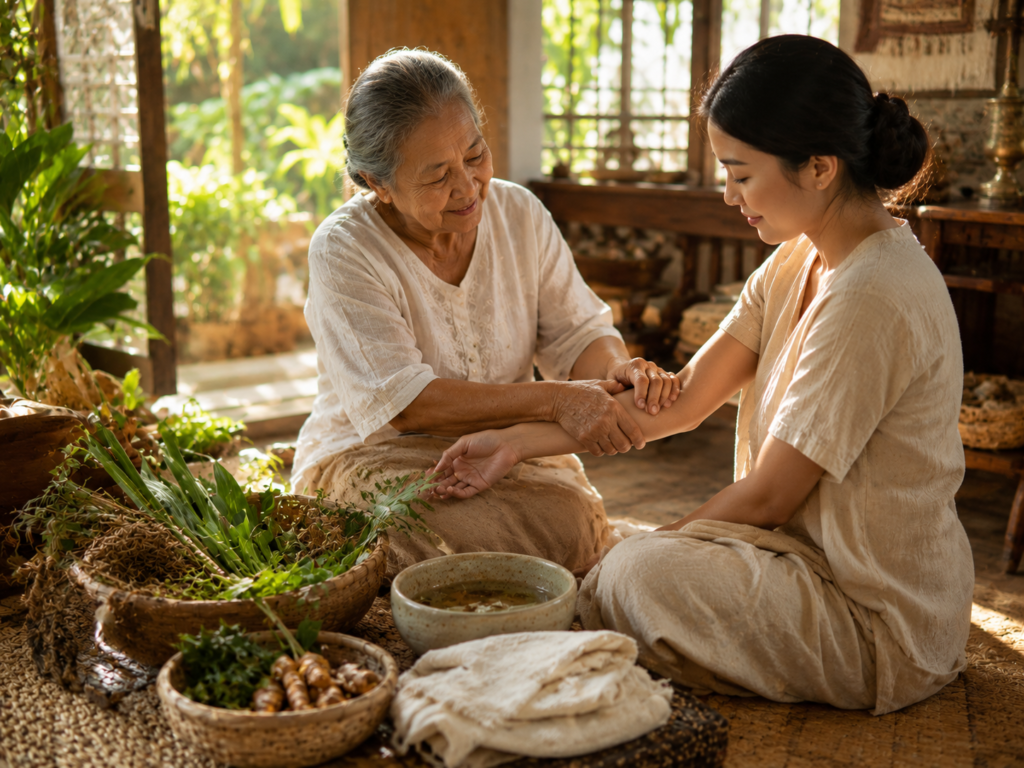
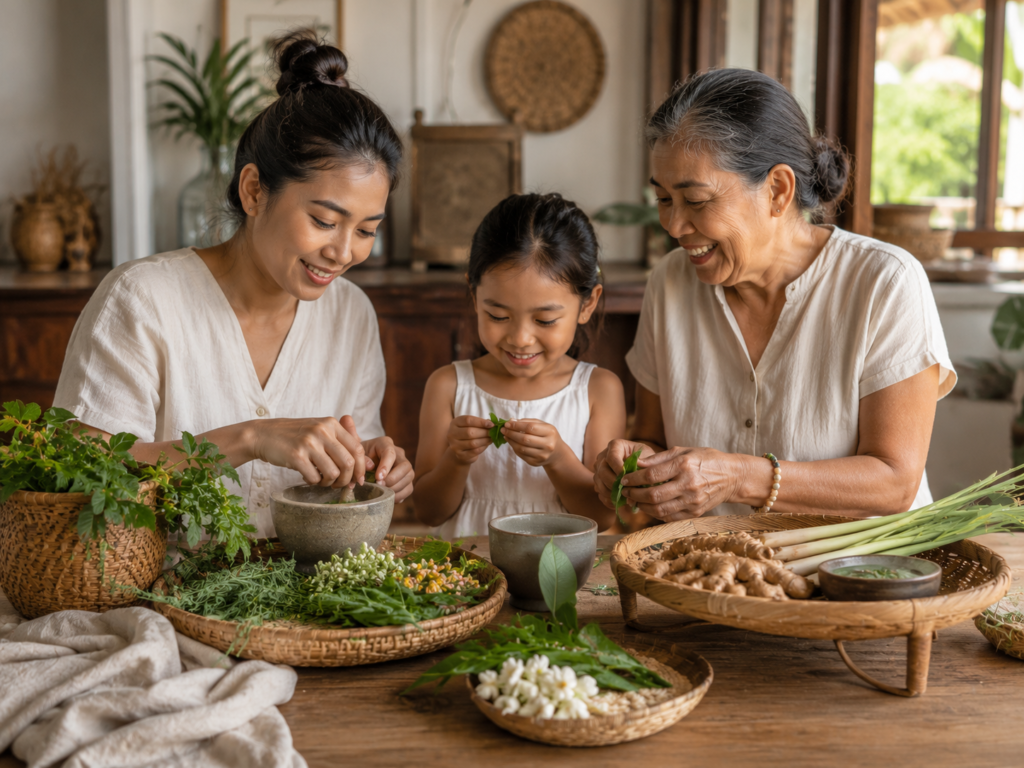
Children often learned by watching grandparents prepare herbal compresses, warm coconut oil, or gently massage tired muscles after long days of work. These simple moments helped preserve practical knowledge while strengthening family relationships.
Today, this wisdom continues to offer valuable reminders:
- Wellness can begin with slowing down.
- Caring touch can strengthen emotional connection.
- Nature has long played an important role in daily self-care.
- Healing is often supported by community, family, and compassion.
Preserving these traditions helps honour cultural heritage while encouraging mindful wellness habits for future generations.
The Role of Botanicals in Traditional Hilot
Plants have long been woven into Filipino healing traditions.
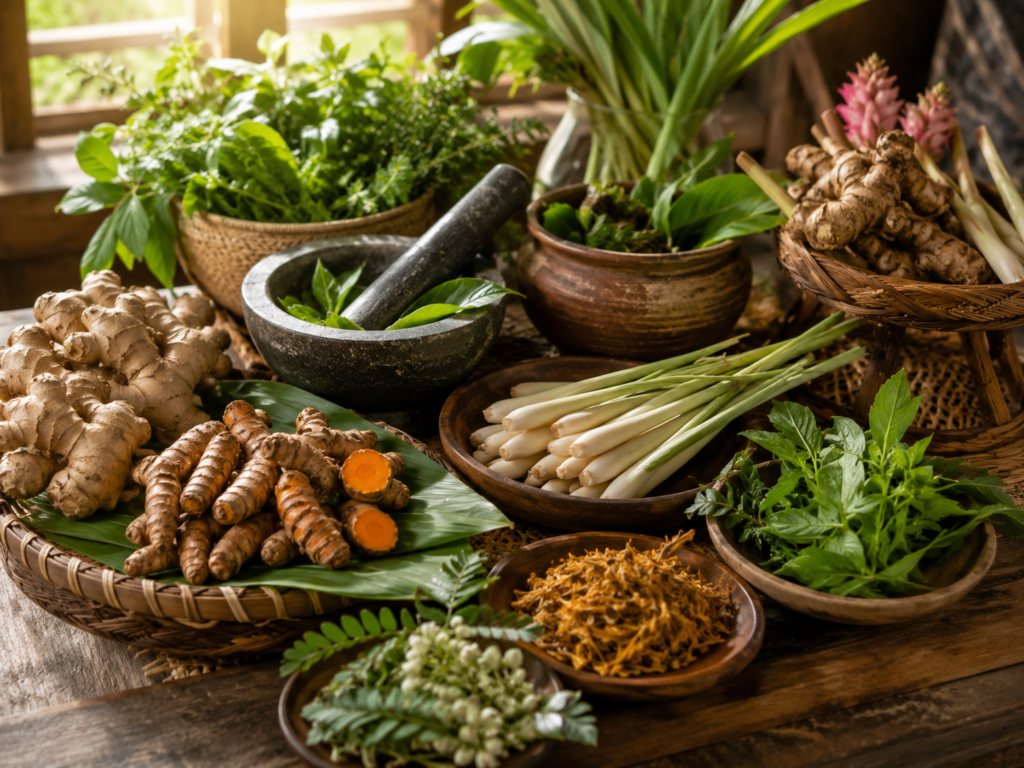
Depending on local availability and family customs, various herbs and natural oils have traditionally been used alongside massage to help promote relaxation and comfort.
Some botanicals commonly associated with traditional wellness practices include:
Ginger
Traditionally used in warm compresses and baths to promote feelings of warmth and relaxation.
Lemongrass
Often appreciated for its refreshing aroma that may support a calming environment.
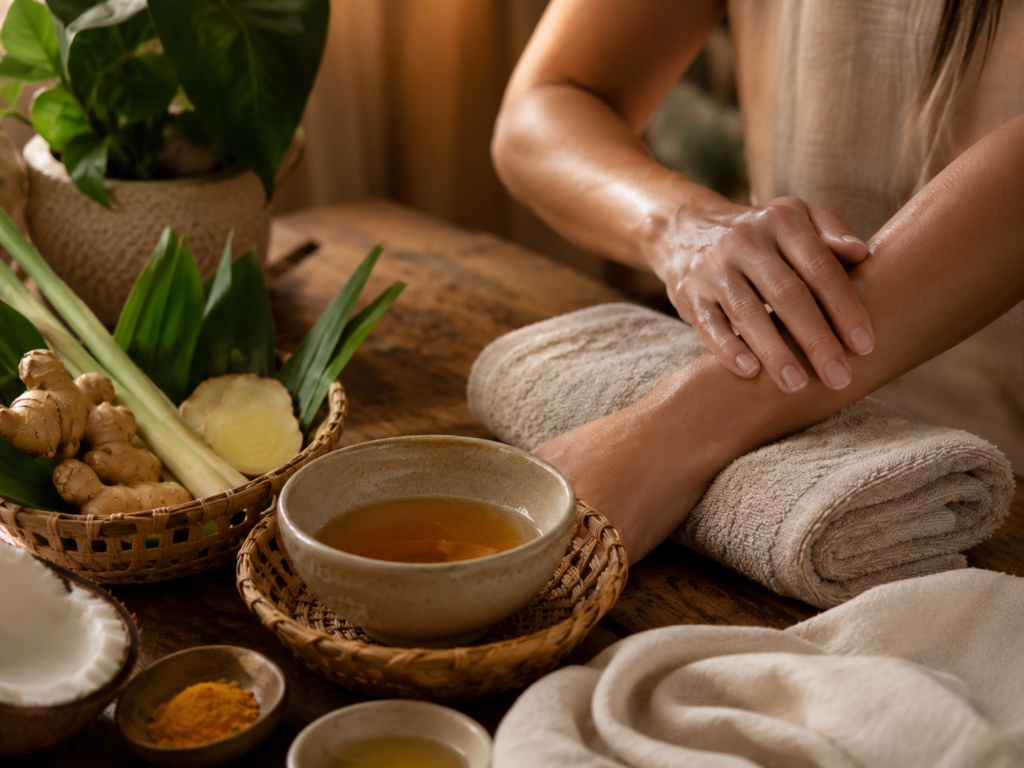
Coconut Oil
Frequently used as a nourishing massage oil because of its smooth texture and natural moisturising properties.
Turmeric
Traditionally included in various cultural wellness preparations as part of holistic self-care practices.
While these botanicals have a rich history in traditional wellness, they should not be viewed as treatments for medical conditions.
Bringing Hilot Wisdom into Modern Daily Life
You don’t need to be an experienced practitioner to embrace the spirit of Hilot.
Many of its principles can inspire simple daily rituals that encourage mindfulness and self-care.
Create Moments of Gentle Touch
A few minutes of gentle hand or foot massage after a busy day may help encourage relaxation and body awareness.
Slow Down Before Bed
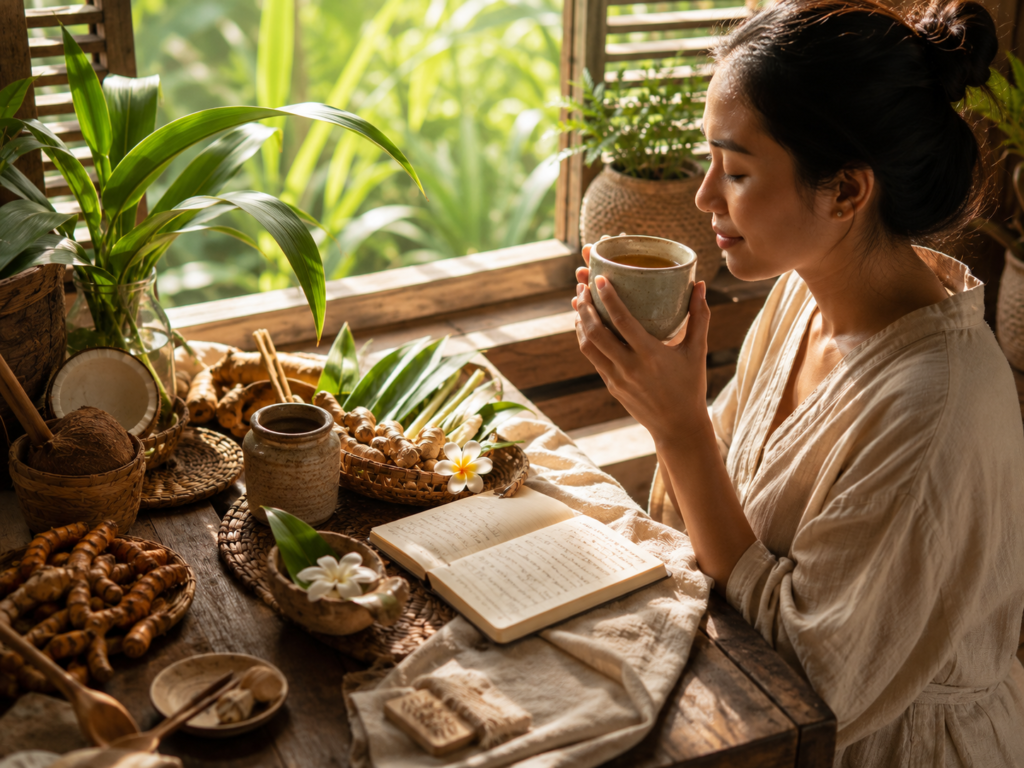
Dim the lights, enjoy calming herbal tea, practice deep breathing, or gently stretch before sleep to create a peaceful evening routine.
Spend Time Outdoors
Traditional wellness often encourages connection with nature. A short morning walk or quiet time in the garden can help promote a sense of calm.
Honour Family Traditions
Ask older relatives about their favourite wellness rituals. Their stories may preserve valuable cultural knowledge while strengthening family bonds.
Common Misconceptions About Hilot
As interest in traditional wellness grows, so do misunderstandings.
Myth: Hilot is only a massage.
While massage is one element, Hilot also reflects observation, mindfulness, herbal traditions, and holistic care.
Myth: Traditional healing replaces modern medicine.
Not at all. Traditional wellness practices can complement healthy lifestyles, but they are not substitutes for professional medical diagnosis or treatment.
Myth: Hilot belongs only to the past.
Many families continue to adapt its principles into modern routines focused on relaxation, connection, and intentional self-care.
Honouring Tradition While Embracing Modern Wellness
Today’s understanding of wellbeing increasingly recognises the importance of stress management, restorative rest, healthy movement, nourishing food, and meaningful relationships.
Although scientific research continues to explore many traditional wellness practices, the core values of Hilot—mindfulness, compassionate care, and connection—remain timeless.
These principles may support overall wellbeing by encouraging us to become more aware of how we care for ourselves each day.
Natural wellness is most beneficial when approached thoughtfully, using evidence-informed guidance alongside cultural traditions.
Wrapping Up
The beauty of Hilot lies not only in its techniques but in the values it carries from one generation to the next: kindness, patience, connection, and respect for nature. These timeless lessons remind us that wellness often begins with small, intentional acts of care practiced consistently over time.
Whether it’s taking a few mindful breaths, enjoying the calming presence of botanicals, sharing family traditions, or setting aside time for gentle self-care, these simple habits can help nurture everyday wellbeing. Remember that natural wellness is designed to complement—not replace—professional medical advice, diagnosis, or treatment. By honouring both ancestral wisdom and modern healthcare, we can create a balanced approach to lifelong wellbeing.