Wellness is often framed as something we do alone. We are told to build a routine, drink more water, apply the right products, meditate, stretch, journal, and keep showing up for ourselves. While personal care matters, healing does not happen in isolation. We are shaped by the people, places, conversations, and support systems around us.
Community-centered wellness is the idea that wellbeing is not only individual. It is shared. It recognizes that our bodies, skin, emotions, and energy are influenced by connection, environment, culture, and care. For lifestyle and skincare audiences, this perspective offers a more compassionate way to think about beauty, healing, and daily rituals.
It asks a simple but powerful question: What would wellness look like if we stopped treating it as something we have to figure out alone?
What Is Community-Centered Wellness?
Community-centered wellness focuses on care that is shared, accessible, and rooted in connection. It moves beyond the idea that wellness is only about individual discipline. Instead, it includes the support we receive from friends, family, skincare professionals, cultural practices, local spaces, online communities, and everyday acts of kindness.
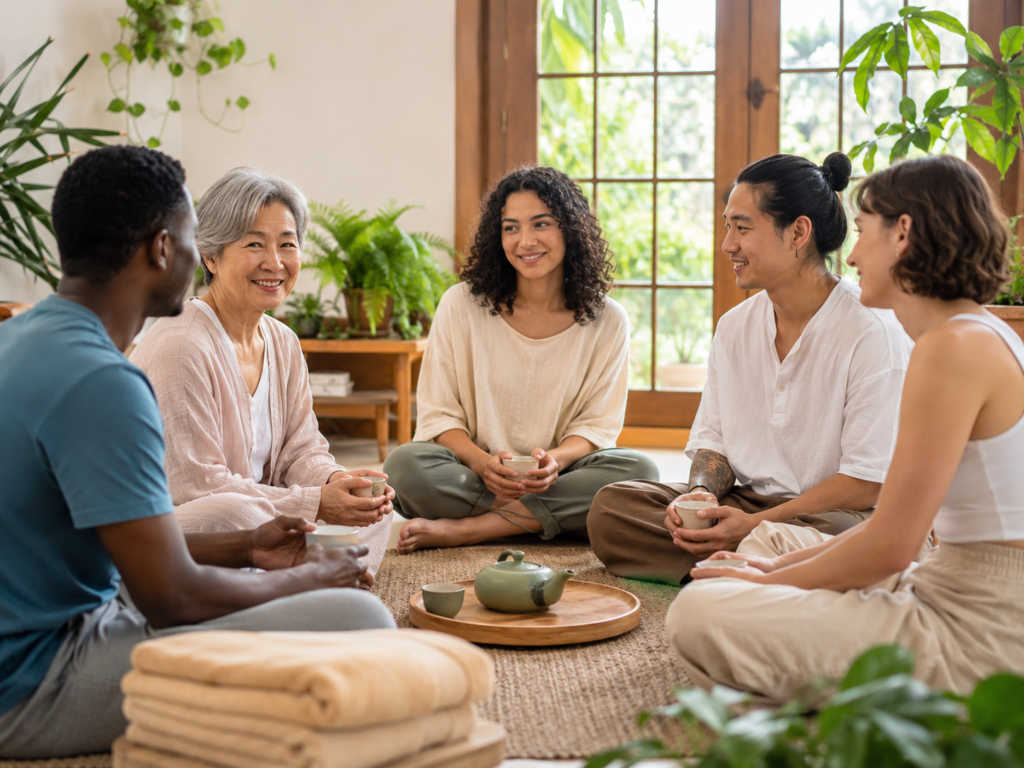
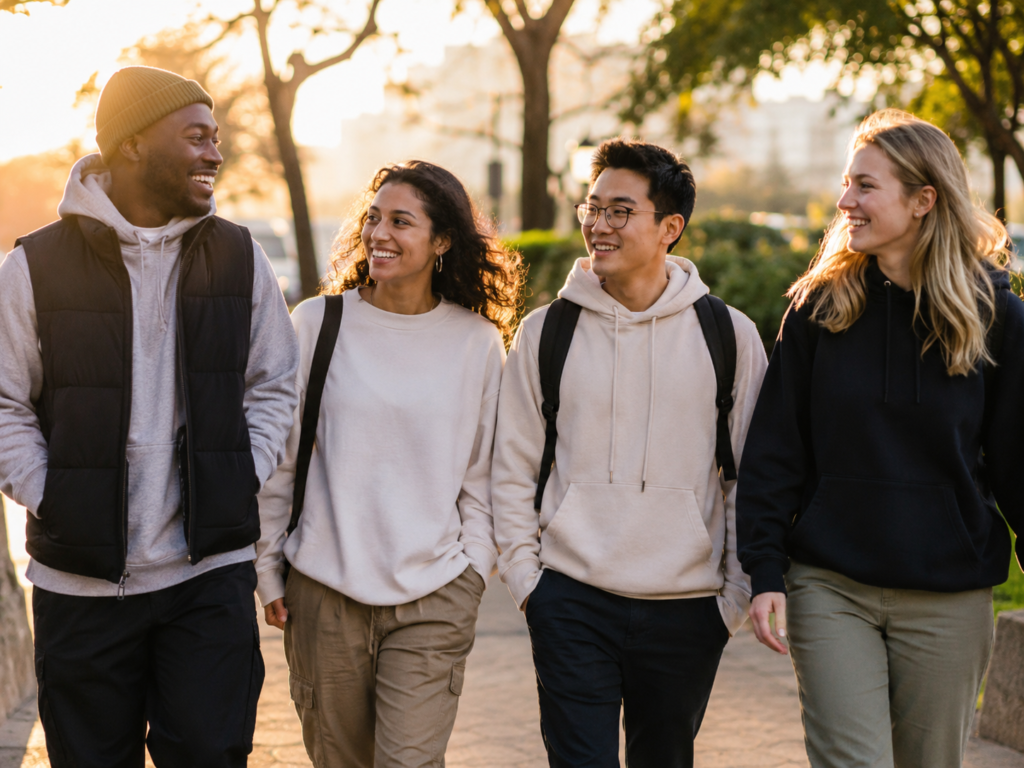
This can look like a group skincare night, a walk with a friend, a shared meal, a support circle, a neighborhood yoga class, or simply having someone remind you to rest. It can also mean exchanging tips, sharing resources, and creating safe spaces where people feel seen.
For skincare, community-centered wellness is especially meaningful. Skin concerns such as acne, sensitivity, dryness, hyperpigmentation, or stress-related flare-ups can feel isolating. When people are able to talk openly about their experiences, they often feel less alone and more empowered to care for their skin without shame.
Why It Matters for Modern Wellness
Modern wellness culture can sometimes make people feel like they are failing if they are not constantly improving. Community-centered wellness offers a softer approach. It reminds us that healing is not a performance. It is not always aesthetic, linear, or perfect.
When care is shared, people are more likely to feel supported through the ups and downs. A consistent skincare routine, for example, becomes easier when it is connected to self-respect rather than pressure. Rest becomes easier when your community values balance. Healthy habits become more sustainable when they are encouraged by connection, not comparison.
The Benefits of Shared Healing
One of the biggest benefits of community-centered wellness is emotional support. Having people to talk to, learn from, and lean on can reduce the sense of isolation that often comes with stress, burnout, or body-related insecurities.
Another benefit is accountability without judgment. A friend checking in on your sleep, water intake, or skincare routine can feel encouraging when it comes from care rather than criticism. Community can also help normalize real skin and real life. Instead of comparing ourselves to filtered images, we get to see people as they are: textured, changing, human.
Community-centered wellness can also improve access to knowledge. People often discover helpful routines, products, habits, or services through conversations. Someone may recommend a gentle cleanser, explain how they simplified their routine, or share how they learned to stop over-exfoliating. These everyday exchanges can make wellness feel less overwhelming.
Everyday Ways to Practice Community-Centered Wellness
Community-centered wellness does not have to be complicated. It can begin with small, intentional actions that bring people together around care.
Create Shared Self-Care Rituals
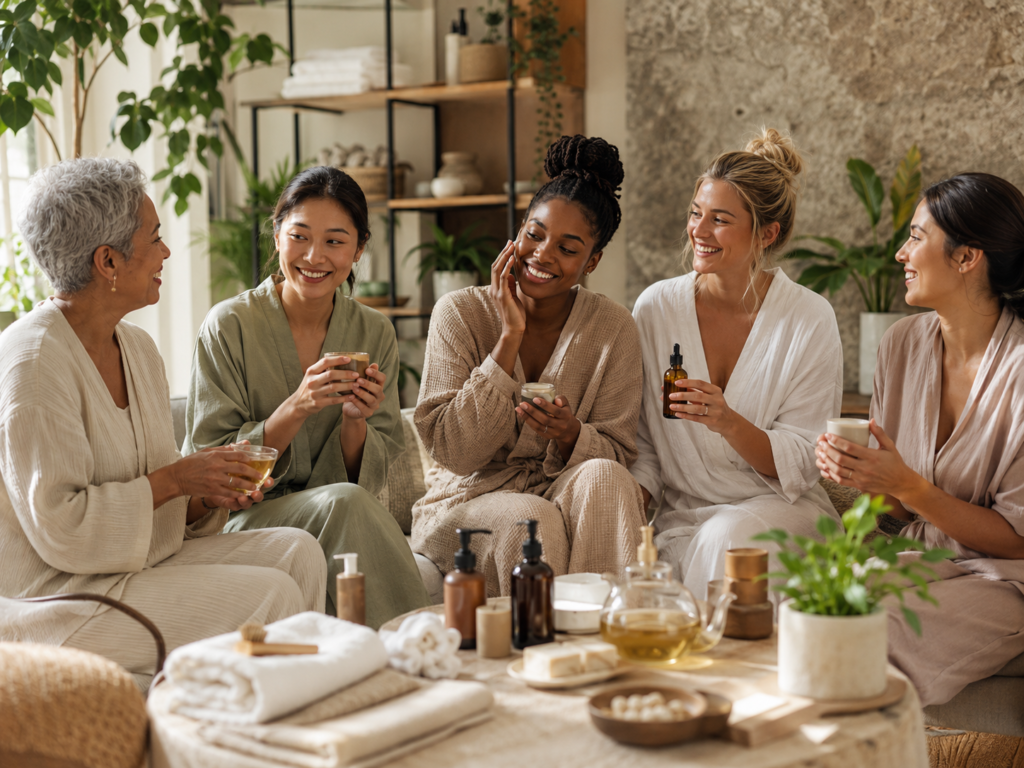
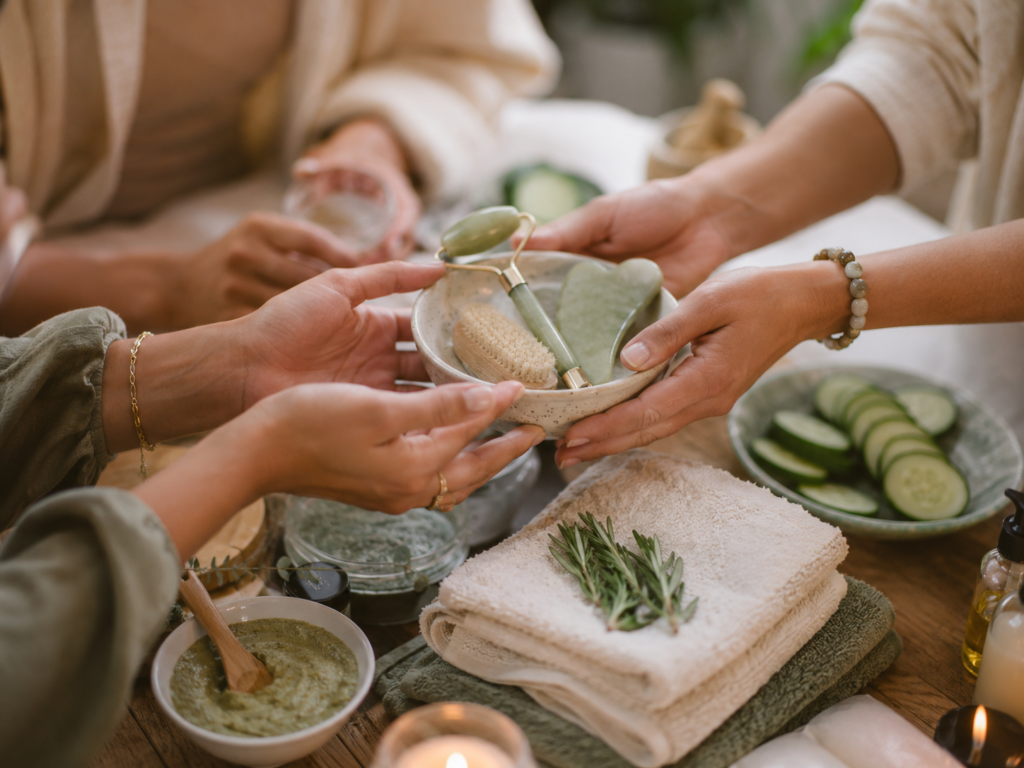
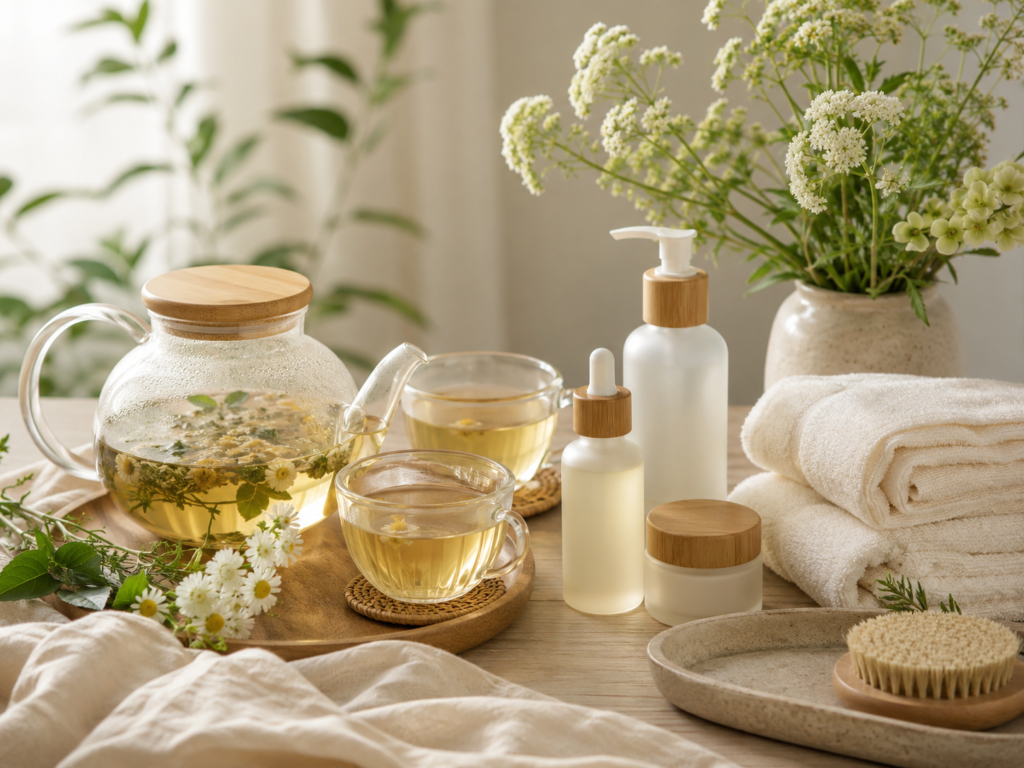
A shared self-care ritual can be as simple as inviting a friend over for face masks, herbal tea, and conversation. It can also be a weekly check-in where you talk about how you are feeling, what your body needs, and what routines are helping you feel grounded.
For skincare lovers, this might include a “routine reset” night where everyone brings their favorite gentle products, talks about what is working, and removes anything that feels harsh or unnecessary. The goal is not perfection. The goal is support.
Make Wellness Conversations More Honest
Many people silently struggle with stress, skin changes, aging, breakouts, or feeling disconnected from their bodies. Honest conversations can make these experiences less heavy. When we talk openly about real skin, hormonal changes, tiredness, and emotional wellbeing, we create space for others to do the same.
This kind of openness helps shift wellness away from appearance alone. It becomes about comfort, confidence, nourishment, and feeling at home in your body.
Support Local and Cultural Care Practices
Community-centered wellness also means honoring the care practices that already exist in families, cultures, and neighborhoods. This might include traditional beauty rituals, plant-based remedies, shared meals, intergenerational advice, or community gathering spaces.
These practices remind us that wellness is not new. Many communities have always understood care as something shared through stories, touch, food, rest, and ritual.
Community Care and Skincare: A More Compassionate Approach
Skincare is often marketed as a way to fix flaws. Community-centered wellness invites us to see skincare differently. Instead of asking, “What needs to be corrected?” we can ask, “What needs care?”
This shift matters. A compassionate skincare routine supports the skin barrier, respects sensitivity, and gives the skin time to respond. It also supports emotional wellbeing by reducing the pressure to chase instant results.
When skincare becomes part of community care, it can be joyful. People share product tips, remind one another to use sunscreen, talk about dermatologist visits, or encourage each other to simplify routines. These small moments create connections and help people feel more confident in their choices.
Practical Use Cases for Community-Centered Wellness
Community-centered wellness can fit naturally into everyday life. A friend group might host a monthly wellness night focused on rest and skincare. A family might create Sunday evening routines with calming music, moisturizing, and preparing for the week. A workplace might encourage walking meetings, mental health breaks, or shared wellness resources.
Online communities can also play a role when they are supportive and realistic. Skincare forums, lifestyle groups, and wellness spaces can help people learn, ask questions, and feel understood. The healthiest communities are those that encourage balance, safety, and self-acceptance instead of fear or comparison.
How to Build a Wellness Community That Feels Safe
A safe wellness community does not require everyone to have the same routine, budget, skin type, or lifestyle. In fact, the best communities make room for difference.
Start by encouraging gentle, nonjudgmental conversations. Avoid shaming people for their choices, skin concerns, age, or appearance. Share what works for you without presenting it as the only right way. Make space for professional support when needed, especially for persistent skin concerns, mental health challenges, or chronic conditions.
Most importantly, build care around consent and respect. Not everyone wants advice. Sometimes people simply want to be heard. Community-centered wellness works best when it honors both support and boundaries.
Healing Together, One Ritual at a Time
Healing is personal, but it is also collective. We become well not only through what we do alone, but through the care we give and receive. Community-centered wellness reminds us that support, softness, and connection are not extras. They are part of the foundation.
Whether it is a skincare ritual shared with friends, an honest conversation about stress, or a small daily reminder that someone cares, community can make wellness feel more human. It helps us move away from pressure and toward presence.
At its heart, community-centered wellness is about belonging. It says that care is stronger when it is shared, healing is deeper when it is supported, and beauty is more meaningful when it includes compassion for ourselves and one another.