

Think about how much your hands do before lunchtime.
They make breakfast, open doors, wash dishes, answer messages, carry bags, and help you move through countless small tasks.
Then there are the things you actually enjoy doing.
Gardening. Cooking. Painting. Crafting. Working with tools.
Your hands rarely get a quiet day.
Yet skincare conversations often focus almost entirely on the face.
When exploring skincare near North Charleston South Carolina, it is worth remembering that natural skincare can include the hands that support your everyday activities.
A thoughtful hand-care routine does not need to be complicated. Sometimes, it begins with noticing what your hands experience throughout the day.
Your Hobbies Can Shape Your Skincare Needs
Different activities expose your hands to different conditions.
Someone who spends an afternoon gardening may encounter soil, water, and repeated handwashing.
A person who enjoys cooking might wash their hands frequently while preparing ingredients.
Artists and craftspeople may handle materials that require additional cleaning afterward.
These activities do not automatically cause skin problems.
However, repeated washing, friction, and contact with certain substances can contribute to dryness or irritation.
Understanding what your hands encounter can help you choose practical ways to care for them.
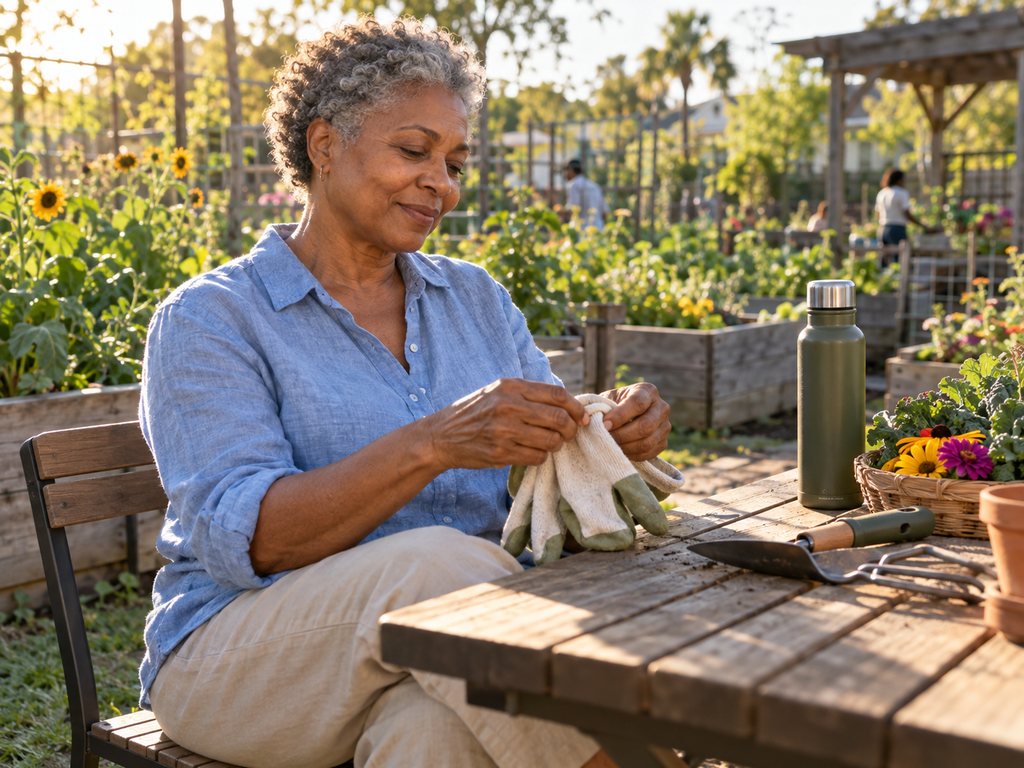
Gardening Is Wonderful, but Your Hands Still Need Care
Gardening can be a satisfying way to spend time outdoors.
Whether you are growing herbs, tending flowers, or caring for container plants, your hands often do much of the work.
Soil, moisture, and gardening materials can leave skin feeling dry or uncomfortable, particularly when followed by frequent washing.
Wearing suitable gardening gloves can help reduce direct contact with irritating materials and minor abrasions.
After gardening, wash your hands appropriately, dry them gently, and apply a suitable moisturizer when needed.
You do not need an elaborate treatment afterward.
A few practical steps can help support your skin while allowing you to enjoy the activity.

Frequent Handwashing Can Affect Skin Comfort
Handwashing is an important part of everyday hygiene.
But repeated washing can sometimes leave skin feeling dry, particularly when harsh cleansers or very hot water are involved.
The answer is not to avoid necessary handwashing.
Instead, consider how you care for your skin afterward.
Use an appropriate gentle cleanser when possible.
Rinse thoroughly.
Dry your hands without excessive rubbing.
Apply a suitable moisturizer after washing, especially if your skin tends to feel tight or dry.
A simple moisturizing habit can help support the skin’s moisture barrier.
For people who wash their hands frequently throughout the day, consistency may matter more than using a complicated collection of products.
Cooking Brings Its Own Hand-Care Moments
Preparing meals involves plenty of handwashing.
You handle ingredients, rinse produce, clean utensils, and move between different tasks.
Food safety should always come first, including washing hands at appropriate times.
Once cooking and cleaning are finished, however, you can give your hands a little attention.
If your skin feels dry, applying a fragrance-free or otherwise suitable moisturizer may help.
Keep hand-care products away from food-preparation surfaces and follow their intended directions.
The goal is not to add another complicated kitchen ritual.
It is simply to recognize that frequent cleaning can affect how your skin feels.

Creative Hobbies Can Be Surprisingly Hands-On
Painting, pottery, sewing, woodworking, and other creative activities often involve repeated contact with materials.
Some are gentle.
Others involve friction, dust, adhesives, pigments, or cleaning agents.
The appropriate precautions depend on the activity and materials involved.
For example, certain craft chemicals require specific protective gloves or handling instructions.
A regular moisturizer is not a substitute for appropriate protective equipment.
When the activity is finished, clean your hands according to the materials used and follow any relevant safety guidance.
Then consider whether your skin would benefit from moisturizing.
Practical skincare should work alongside safe creative habits rather than replace them.
Botanical Balms Can Have a Place in Hand Care
Some people enjoy using richer topical preparations on areas that feel dry.
Balms and creams may contain ingredients such as shea butter, plant oils, or other moisturizing components.
Depending on the finished formulation, these products may help soften skin or reduce moisture loss.
However, botanical ingredients are not automatically suitable for everyone.
A product that works well for one person’s hands may feel too rich or cause irritation for another.
When exploring botanical skincare, pay attention to the complete ingredient list, intended use, and directions.
Choose products based on your skin’s needs rather than assuming that natural ingredients always guarantee gentleness.

Don’t Forget the Skin Around Your Nails
Hand care includes more than your palms.
The skin around your nails can become dry, particularly when exposed to frequent washing or repeated contact with water.
Avoid aggressively picking or cutting the surrounding skin.
Keeping the area moisturized may help maintain comfort.
If you notice persistent redness, swelling, pain, or other concerning changes around a nail, seek appropriate medical advice.
These symptoms may require more than ordinary skincare.
Make Moisturizing Easy to Remember
A useful habit is one that fits naturally into your day.
If you frequently forget to moisturize your hands, think about where you spend your time.
Perhaps you could keep an appropriate hand moisturizer near your usual getting-ready area.
Maybe you prefer applying it after your evening shower.
Or you might find it easiest to use after completing household chores.
The specific timing matters less than finding a practical habit that suits your skin and daily activities.
Avoid applying products when doing so would interfere with safe food handling, tool use, or other tasks.
Pay Attention to Changes That Don’t Improve
Ordinary dryness may improve with appropriate moisturizing and reducing exposure to irritants.
However, not every skin concern is simply dryness.
Persistent cracking, itching, painful redness, swelling, or recurring rashes may indicate irritation, contact dermatitis, or another condition that deserves professional evaluation.
If symptoms continue despite basic care, consider speaking with a healthcare professional or dermatologist.
Natural skincare can complement everyday care, but it should not replace appropriate medical attention.
A Simple Hand-Care Check-In
At the end of the day, take a moment to notice how your hands feel.
Ask yourself:
Did I wash my hands more frequently than usual?
Did I work with materials that required protective equipment?
Are there areas that feel dry or uncomfortable?
Would a suitable moisturizer help?
Have I noticed any symptoms that need professional attention?
These questions can help you understand your everyday hand-care needs without creating an unnecessarily complicated routine.
Key Takeaways
- Your hands experience frequent activity throughout the day.
- Gardening, cooking, and creative hobbies can influence hand-care needs.
- Suitable protective gloves can help reduce contact with irritating materials.
- Necessary handwashing should continue even when skin feels dry.
- Gentle cleansing and appropriate moisturizing can help support skin comfort.
- Botanical balms may be useful for some dry-skin needs, depending on their formulation.
- The skin around your nails deserves attention too.
- Keep moisturizing habits practical and compatible with your activities.
- Persistent irritation, cracking, or other concerning symptoms may require professional evaluation.
Final Thoughts
Your hands help you create, prepare, build, clean, and care for the things that matter to you.
They deserve attention beyond the occasional glance at a dry patch.
A thoughtful hand-care routine does not need to interrupt your favorite activities. It can simply support them through practical protection, gentle cleansing, and moisturizing when appropriate.
Whether you spend your weekends gardening, your evenings crafting, or your mornings preparing meals, small habits can make everyday hand care easier to maintain.
Explore natural skincare and botanical body care near North Charleston with a focus on practical comfort and the activities that make your days meaningful.