Have you ever caught the scent of an herb and suddenly remembered somewhere else?
Maybe rosemary reminds you of a family kitchen. Lavender brings back a garden you visited years ago. Or the smell of fresh citrus makes you think of a sunny afternoon.
You weren’t trying to remember anything.
The scent simply brought the moment back.
Aromas have a remarkable connection with personal memories, and botanical ingredients often carry familiar fragrances that people associate with particular places, people, and experiences.
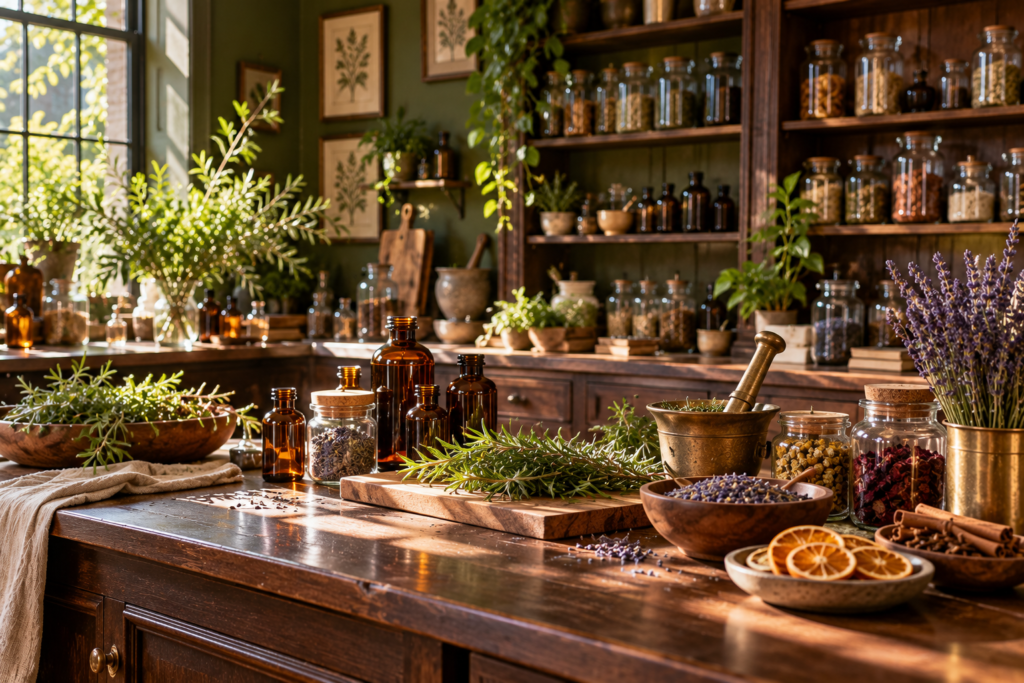
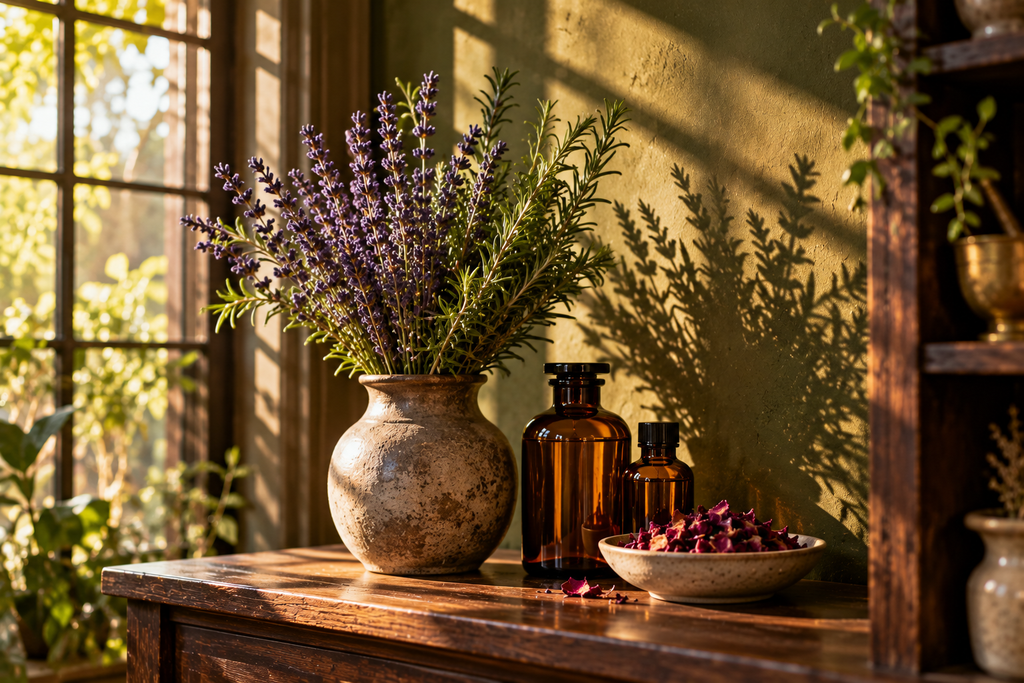
In an apothecary, scent can be part of the experience of exploring botanical wellness.
But choosing a fragrance isn’t simply about finding something that smells pleasant.
It’s also about understanding personal preferences, comfort, and how scents fit into everyday life.
Why Smells Can Bring Back Memories
Our sense of smell is closely connected with brain systems involved in emotion and memory.
When we encounter an aroma, it can become associated with the experiences happening around us.
Over time, smelling something similar may bring those experiences to mind.
That’s one reason a familiar scent can feel surprisingly meaningful.
For example, someone who grew up around a garden might associate fresh herbs with family gatherings.
Another person may remember a favorite meal when they smell ginger or cinnamon.
These connections are personal.
The same fragrance can bring different memories to different people.
Botanical Scents Often Begin With Everyday Experiences
You don’t need to visit a specialty shop to encounter botanical aromas.
They’re already part of ordinary life.
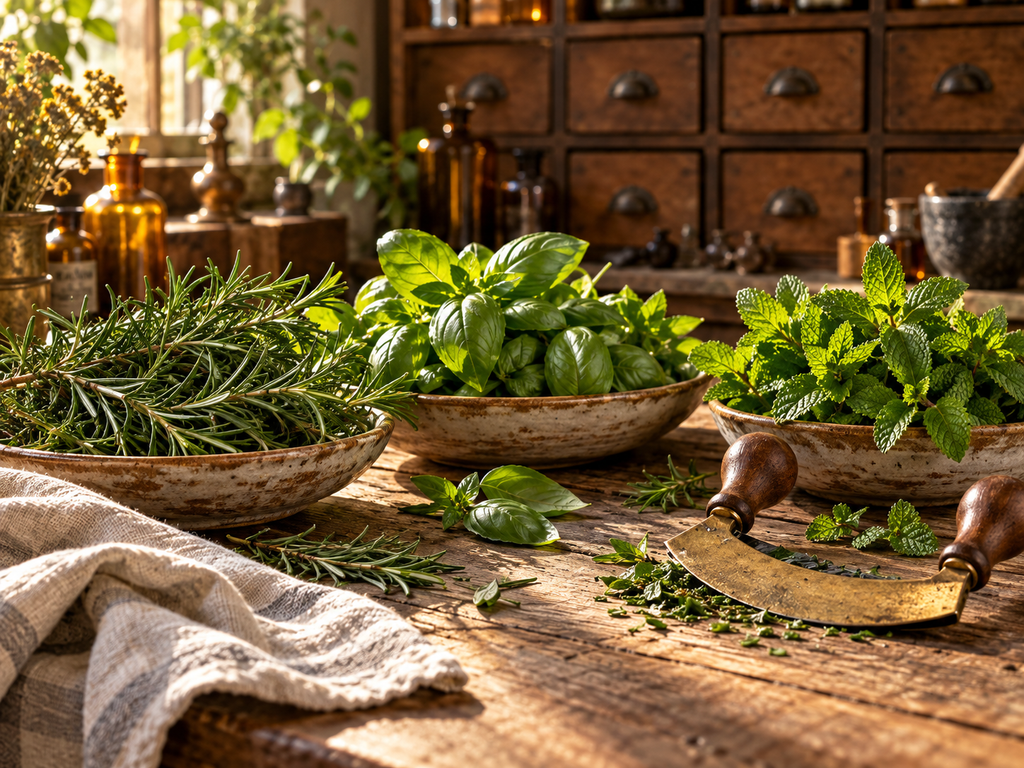
Fresh herbs release fragrances when handled.
Citrus peels have recognizable aromas.
Flowers, spices, and certain woods also have distinctive scents.
Many people first experience these fragrances through cooking, gardening, or family traditions.
Later, they may encounter similar aromas in personal-care preparations.
Recognizing a scent can make a botanical ingredient feel familiar.
However, the fragrance of a finished product may differ considerably from the fresh plant because of processing, concentration, and other ingredients.
A Pleasant Scent Is Different for Everyone
People don’t experience fragrances in exactly the same way.
One person may enjoy the strong aroma of eucalyptus.
Another might find it overwhelming.
Some people prefer sweet floral fragrances, while others enjoy earthy, herbal, or citrus notes.
Personal associations also influence preferences.
A scent connected with a positive memory may feel comforting.
A fragrance associated with an unpleasant experience may have the opposite effect.
That’s why an apothecary experience shouldn’t assume that one botanical scent will appeal to everyone.
Your preferences are valid even when they differ from popular wellness trends.
Fragrance-Free Can Be a Thoughtful Choice
Botanical wellness is often associated with fragrant herbs and essential oils.
But not every personal-care product needs an added scent.
Some people prefer fragrance-free preparations because of personal preference, sensitivity, or previous reactions.
Fragrance ingredients, including those derived from plants, can cause contact allergies or irritation in susceptible individuals.
It’s also important to understand that “unscented” and “fragrance-free” don’t always mean the same thing.
An unscented product may contain ingredients intended to mask other odors.
If avoiding fragrance is important to you, examine the ingredient information and product claims carefully.
Choosing fragrance-free skincare doesn’t make your routine less botanical or less intentional.
Essential Oils Aren’t the Same as Fresh Herbs
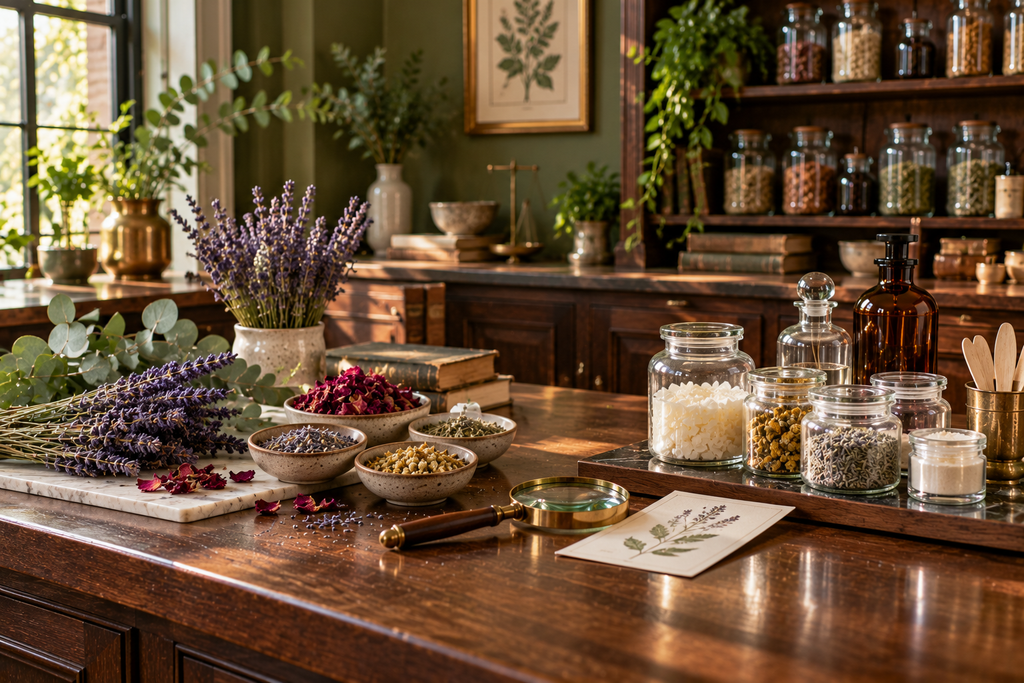
The scent of a fresh herb and the fragrance of its essential oil may seem related, but the materials are different.
Essential oils are concentrated mixtures of volatile compounds obtained from plants through particular extraction methods.
Their concentration means they require appropriate handling.
They shouldn’t automatically be treated as interchangeable with fresh herbs, culinary ingredients, or diluted finished products.
Some essential oils can irritate skin, trigger allergic reactions, or cause other adverse effects when used improperly.
Certain oils also present risks around children and pets.
Never assume that a concentrated essential oil is safe to apply directly to skin or ingest simply because it comes from a plant.
Follow reliable product-specific safety guidance.
Can a Familiar Scent Help You Relax?
Some people associate particular aromas with calm or comfort.
For example, the smell of a favorite herbal tea might remind someone of a peaceful evening.
That association can become part of a relaxing personal routine.
However, an enjoyable scent doesn’t necessarily produce a measurable medical benefit.
Research into aromatherapy has produced mixed findings, and evidence varies by fragrance, application, and health outcome.
It’s reasonable to enjoy an aroma as part of a pleasant environment.
It’s less reasonable to assume that every botanical fragrance can treat stress, anxiety, or sleep difficulties.
A familiar scent can be meaningful without needing to function as medicine.
Scent Can Be Part of Cultural Memory
Botanical aromas are often connected with cultural experiences.
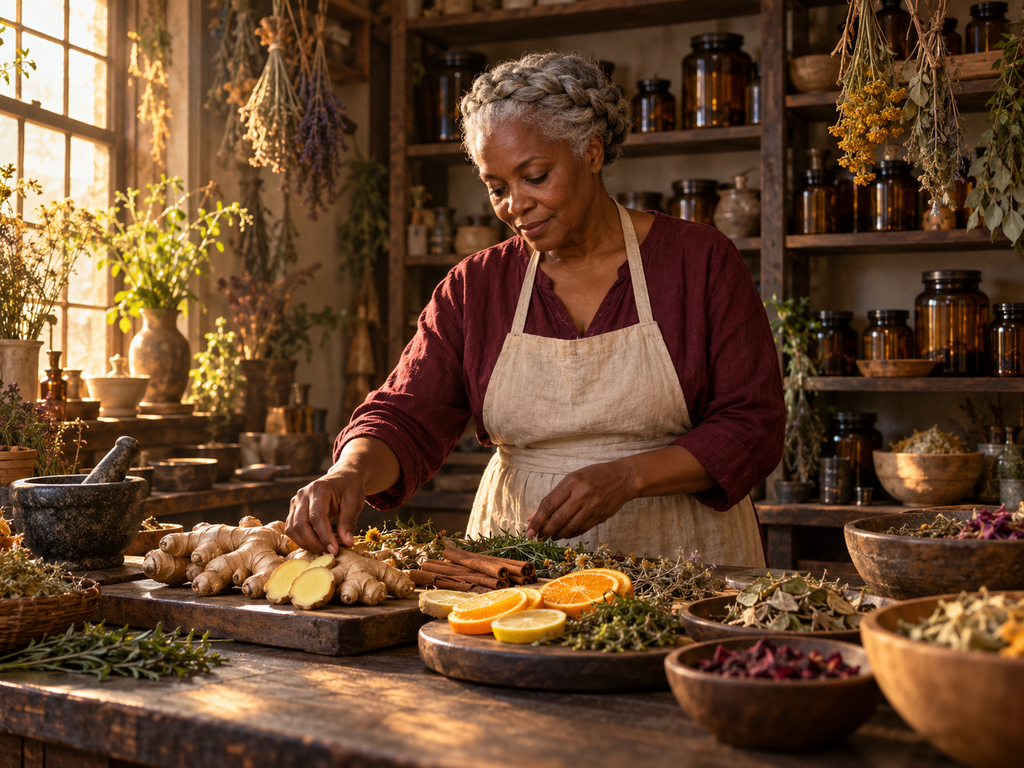
The smell of ginger cooking in a family kitchen, fresh herbs gathered from a garden, or flowers used during celebrations can become part of personal history.
These experiences may be passed between generations through shared activities.
For some families, botanical knowledge is closely tied to cooking, gardening, personal care, and community traditions.
That doesn’t mean every family experiences the same plants in the same way.
The meaningful part is the connection between a familiar aroma and the people or places associated with it.
An apothecary can encourage curiosity about those connections without turning every cultural tradition into a wellness claim.
How to Choose a Scented Botanical Product Thoughtfully
When considering a scented personal-care product, start with its actual purpose.
Is it intended for the skin, hair, or another use?
Then consider the fragrance.
Do you enjoy the scent?
Is it subtle enough for your preferences?
Have you experienced irritation from similar products?
Read the ingredient list and directions, especially if you have sensitive skin or known fragrance allergies.
For unfamiliar topical products, consider appropriate patch testing before broader use.
Remember that a pleasant fragrance doesn’t establish whether a product is safe, effective, or suitable for your needs.
The finished formulation matters more than the scent alone.
You Don’t Need Fragrance in Every Part of Your Routine
It’s easy to collect scented products without noticing how many fragrances you’re using.
A scented cleanser.
A fragranced moisturizer.
Laundry products.
Room fragrances.
Individually, you may enjoy each aroma.
Together, they might feel overwhelming.
If you prefer a simpler sensory environment, consider where fragrance genuinely adds enjoyment.
You may appreciate a particular botanical aroma in one part of your day while choosing fragrance-free products elsewhere.
A thoughtful approach leaves room for both.
Key Takeaways
- Smell has close connections with emotion and memory.
- Botanical aromas can remind people of familiar places and experiences.
- Fragrance preferences vary between individuals.
- Fresh herbs and concentrated essential oils are not interchangeable.
- Natural fragrance ingredients can still cause irritation or allergies.
- Fragrance-free products can be a practical personal-care choice.
- Enjoying an aroma doesn’t mean it has proven medical benefits.
- Cultural and family experiences can shape associations with botanical scents.
- Read product ingredients and directions before choosing scented preparations.
- Personal comfort matters more than following fragrance trends.
Final Thoughts
Sometimes a familiar scent is enough to bring back a meaningful moment.
It might remind you of a family meal, a garden, or someone who introduced you to a particular plant.
These associations make botanical aromas interesting beyond their place in personal-care products.
But thoughtful natural wellness also means recognizing that fragrance is personal.
You can appreciate botanical scents while choosing products carefully, respecting sensitivities, and understanding that pleasant aromas don’t need exaggerated promises.
Explore botanical self-care and natural wellness with an appreciation for the memories, preferences, and everyday experiences that make each person’s relationship with scent unique.