
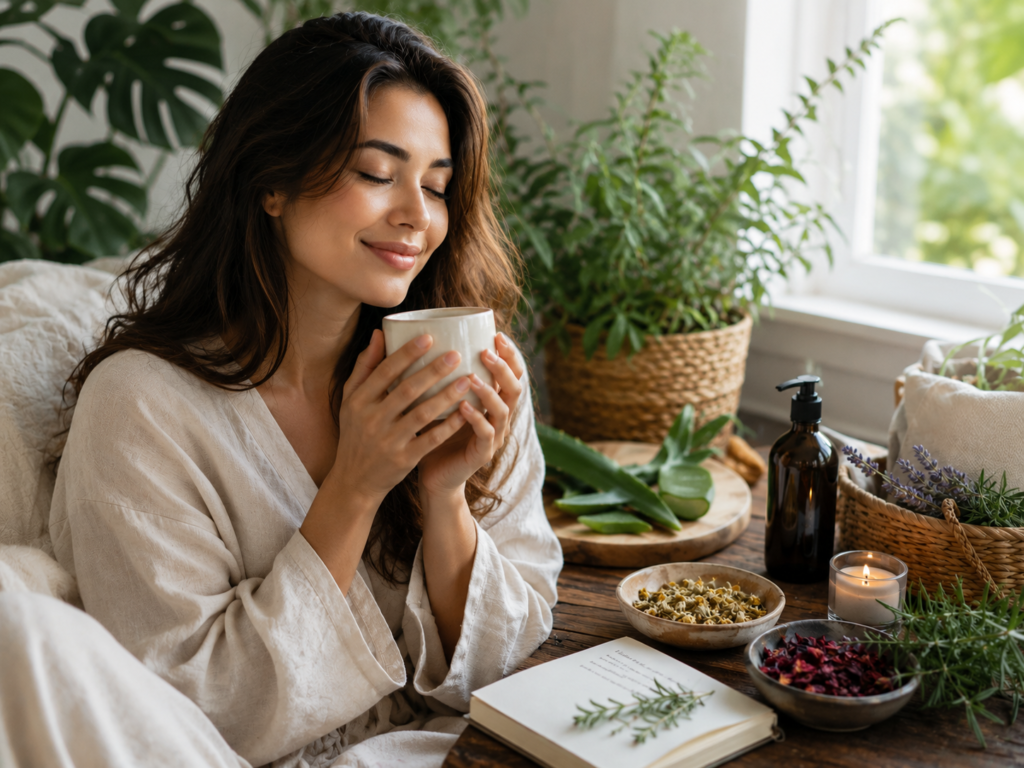
Modern life often encourages us to keep moving, stay productive, and push through fatigue. While ambition has its place, our bodies are designed to thrive on balance. Just as activity plays an important role in health, so does intentional rest.
Relaxation and recovery aren’t signs of laziness—they’re natural biological processes that help the body restore energy, regulate stress, and maintain overall wellbeing. Understanding the science behind these processes can help us appreciate why even small moments of calm matter.
When paired with mindful rituals and botanical traditions, relaxation becomes more than simply “doing nothing.” It becomes an intentional practice of caring for both body and mind.
Key Takeaways
- Relaxation supports natural recovery processes throughout the body.
- Small daily habits can be just as meaningful as longer periods of rest.
- Mindful breathing, movement, and nature-inspired rituals may help promote overall wellbeing.
- Botanical traditions have long been used to encourage moments of calm and reflection.
- Sustainable wellness is built through consistency rather than perfection.
Understanding What Happens During Relaxation
Our bodies are constantly responding to the world around us. Busy schedules, deadlines, emotional stress, and even excessive screen time may activate what’s commonly known as the “fight-or-flight” response.
While this response is incredibly useful during genuine emergencies, remaining in a heightened state for long periods can leave us feeling mentally and physically drained.
Relaxation encourages the opposite response—often referred to as the “rest-and-digest” state. During this time, the body may:
- Slow the heart rate
- Encourage steadier breathing
- Support healthy digestion
- Promote muscle relaxation
- Help regulate stress hormones
- Allow energy to be directed toward natural recovery processes
Rather than being passive, relaxation is actually an active biological process that supports restoration.
Why Recovery Is Just as Important as Activity
Whether you’ve exercised, completed a busy workday, cared for family, or simply navigated life’s daily demands, your body benefits from periods of recovery.
Recovery allows tissues, muscles, and the nervous system time to adapt and restore balance. Without adequate recovery, people may notice ongoing fatigue, reduced focus, irritability, or difficulty feeling refreshed.
This doesn’t necessarily mean spending hours resting. Even small intentional pauses throughout the day can contribute to overall wellbeing.
The Mind-Body Connection
Our thoughts and physical wellbeing are closely connected.
When we experience ongoing stress, muscles may become tense, breathing may become shallow, and sleep may feel less restorative. Conversely, intentional relaxation practices may help encourage a greater sense of calm while supporting healthy emotional resilience.
Mindful activities such as gentle stretching, slow breathing, journaling, meditation, or spending time in nature can help create moments where both the mind and body feel supported.
Many traditional wellness cultures have long recognized this connection, encouraging rituals that combine movement, warmth, herbs, and quiet reflection.
Botanical Traditions That May Support Relaxation
Throughout history, many cultures have incorporated herbs into everyday wellness practices—not as quick fixes, but as supportive companions to healthy lifestyles.
Herbs traditionally used in calming rituals include:
Chamomile
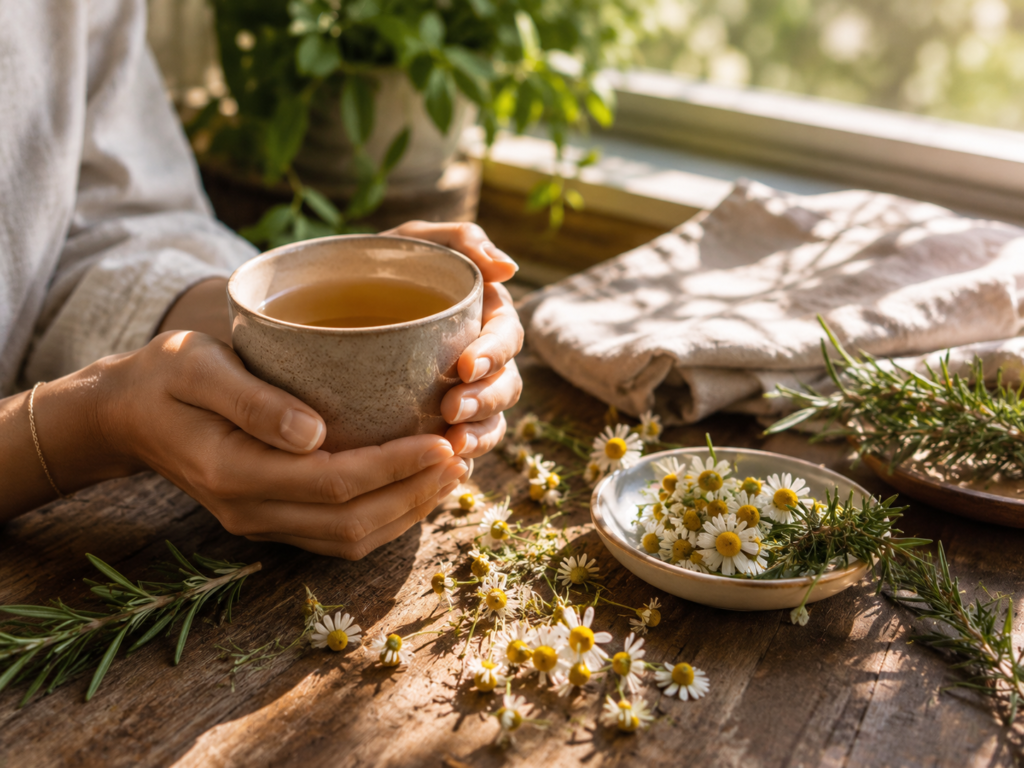
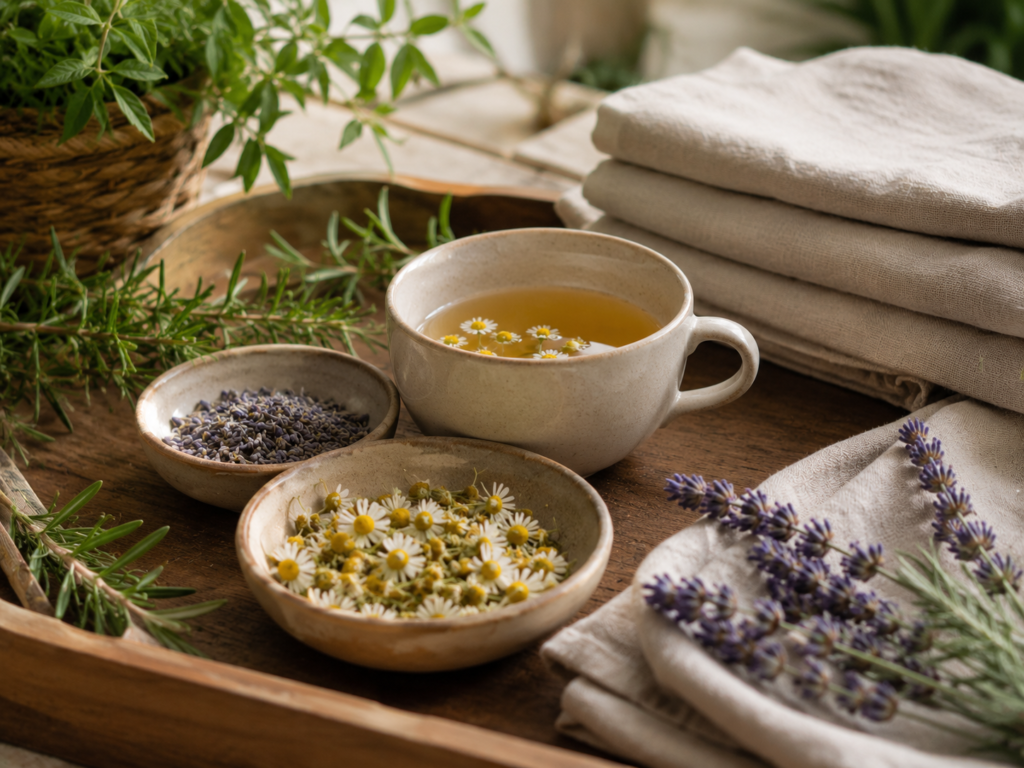
Traditionally enjoyed as an herbal tea, chamomile has long been associated with peaceful evening routines and relaxation.
Lavender
Its familiar floral aroma is widely used in aromatherapy and self-care rituals to help promote a calming atmosphere.
Rosemary
Although often associated with focus and vitality, rosemary has also been traditionally incorporated into restorative herbal baths and wellness rituals.
These botanical traditions may help create intentional moments of mindfulness while encouraging consistent self-care habits.
Common Misconceptions About Relaxation
Many people believe relaxation only happens during holidays or long weekends.
In reality, meaningful recovery can occur through small daily habits.
Some examples include:
- Taking five slow breaths before starting work.
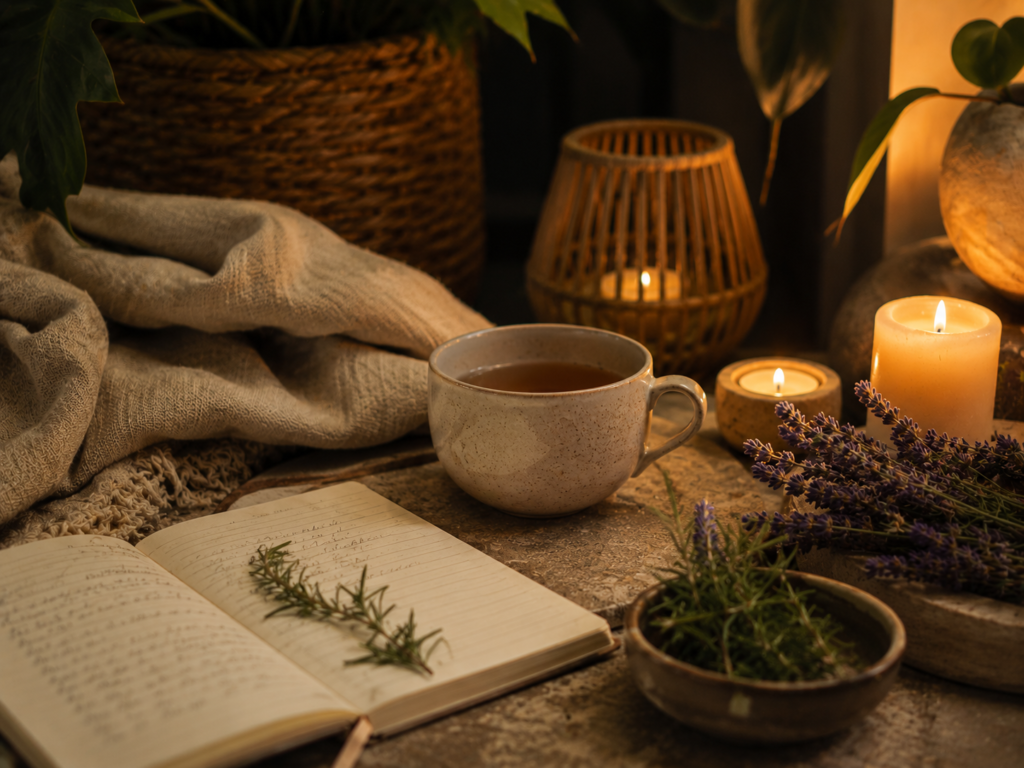
- Enjoying a warm cup of herbal tea without distractions.
- Spending a few minutes outdoors observing nature.
- Stretching after sitting for long periods.
- Creating a calming bedtime routine.
Consistency often matters more than perfection.
Practical Ways to Support Everyday Recovery
Creating a recovery routine doesn’t need to be complicated.
Simple practices you can try include:
Prioritise Quality Sleep
Sleep remains one of the body’s most important recovery tools. Establishing a consistent bedtime routine may help encourage better rest.
Create Device-Free Moments
Even a short break from notifications can provide your mind with valuable quiet time.
Move Gently
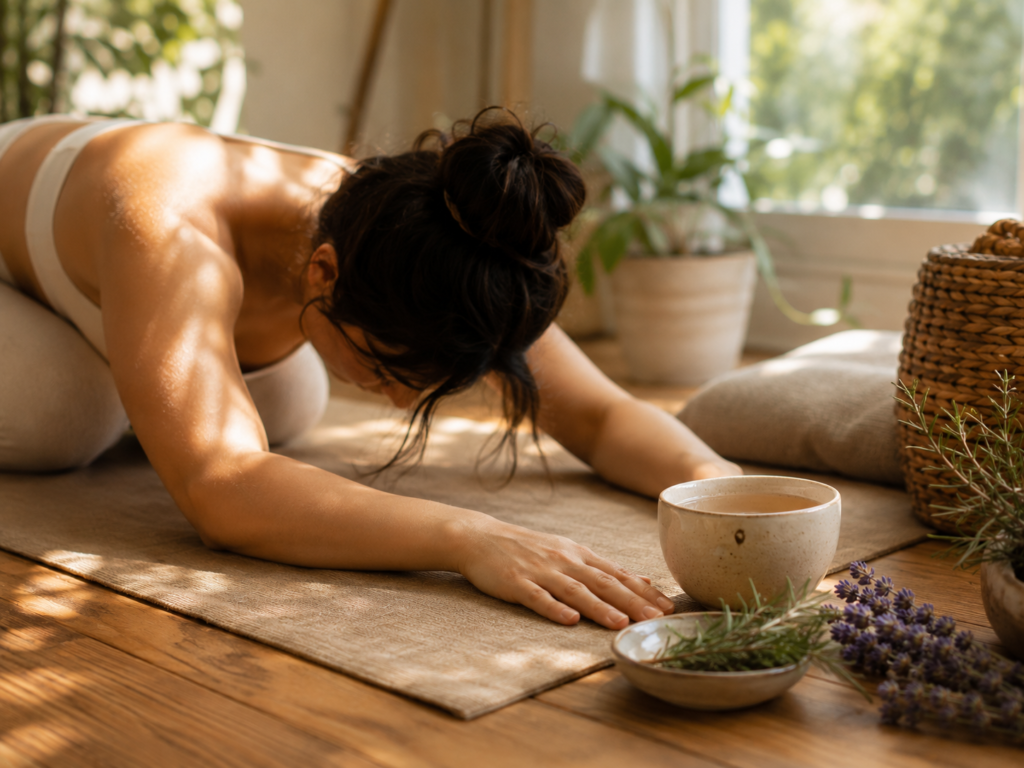
Walking, yoga, or gentle stretching can help relieve physical tension accumulated throughout the day.
Practice Mindful Breathing
Slow, intentional breathing may help signal the body that it’s safe to relax.
Build Small Botanical Rituals
Preparing herbal tea, enjoying a warm bath with botanicals, or spending time tending plants can help create moments of intentional calm.
Recovery Looks Different for Everyone
One common misconception is that there is only one “right” way to relax.
Some people recharge through quiet reading, while others find restoration in gardening, walking outdoors, journaling, creative hobbies, or sharing meaningful conversations.
The most sustainable wellness routines are often those that feel natural, enjoyable, and easy to return to regularly.
Listening to your body is an important part of mindful self-care.
Final Thoughts
Relaxation is not something we need to earn—it’s something our bodies naturally require. By understanding the science behind recovery, we can begin to appreciate that moments of rest are valuable investments in long-term wellbeing rather than interruptions to productivity.
Simple botanical rituals, mindful breathing, gentle movement, and intentional pauses throughout the day may help cultivate a greater sense of balance over time. Remember that wellness is a journey built through small, consistent choices that honour both body and mind.
While natural wellness practices can complement a healthy lifestyle, they are not intended to replace professional medical advice, diagnosis, or treatment. If you have ongoing health concerns, always consult a qualified healthcare professional.