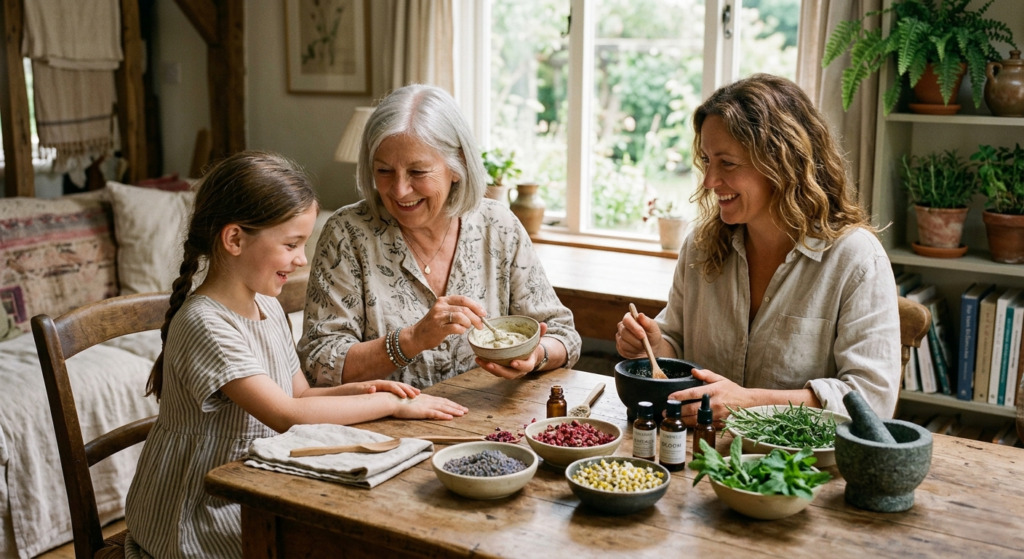
Healing traditions passed from generation to generation carry more than practical wisdom. They hold stories, memories, cultural identity, and the quiet comfort of knowing that someone before us discovered gentle ways to care for the body, skin, and spirit.
In today’s fast-paced world, many people are rediscovering ancestral healing practices as part of a more mindful lifestyle. From herbal teas and oil massage to homemade skincare remedies and calming rituals before bed, these traditions remind us that wellness does not always need to be complicated. Sometimes, the most meaningful care begins with simple practices handed down through family, community, and culture.
Why Generational Healing Traditions Still Matter
Healing traditions are often rooted in observation, nature, and lived experience. A grandmother may have known which leaves soothed irritated skin, which oils softened dry hands, or which warm drink helped the body rest. These rituals were not always written in books. They were taught by watching, listening, and practicing.
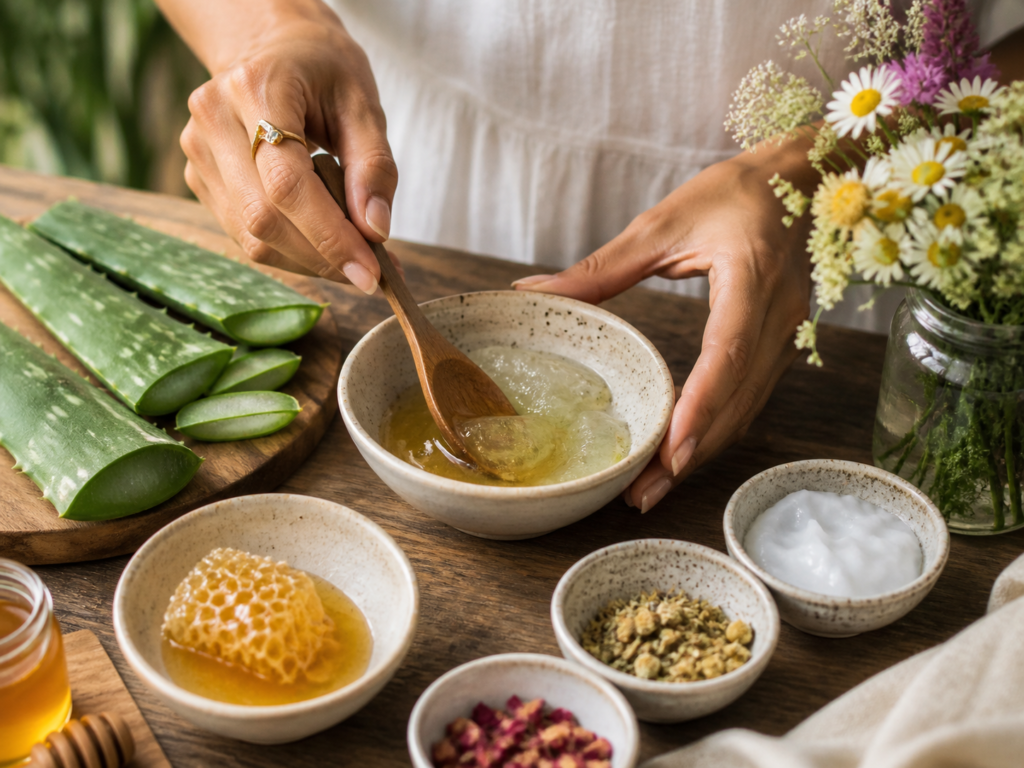
For lifestyle and skincare audiences, this connection is especially powerful. Many modern beauty routines now highlight ingredients that traditional communities have used for centuries, such as aloe vera, turmeric, honey, rose water, shea butter, coconut oil, calendula, and green tea. While every remedy should be used thoughtfully, especially for sensitive skin, these ingredients show how ancestral knowledge continues to influence modern self-care.
The Emotional Beauty of Ritual
One of the most beautiful parts of generational healing traditions is the emotional connection they create. A skincare ritual learned from a parent or grandparent can feel like more than a routine. It can become a moment of remembrance, grounding, and self-love.
Applying a familiar oil after a shower, brewing a calming tea before sleep, or massaging the scalp with a botanical blend can create a sense of continuity. These everyday rituals help people feel connected to where they come from while also caring for who they are today.
This is why traditional wellness practices often fit so naturally into modern lifestyles. They encourage slower, more intentional moments. They invite us to pause, breathe, and treat care as something meaningful rather than rushed.
Everyday Use Case: Turning Skincare Into a Mindful Ritual
Instead of quickly applying moisturizer and moving on, try turning your evening skincare routine into a calming ritual. Warm a few drops of facial oil between your palms, take three deep breaths, and gently massage your skin. This small practice can help release tension while supporting a more consistent self-care routine.
Nature as a Source of Healing Wisdom
Many inherited healing traditions are closely tied to the natural world. Before commercial products were widely available, people relied on plants, minerals, oils, clays, and seasonal ingredients. These materials were often chosen for their soothing, moisturizing, cleansing, or comforting qualities.
In skincare, this shows up in practices like using oatmeal for dry skin, rice water for softness, clay masks for cleansing, or botanical oils for moisture. In broader wellness, it may include herbal baths, steam rituals, warm compresses, or teas made with ginger, mint, chamomile, or lemongrass.
Of course, natural does not always mean suitable for everyone. Patch testing, avoiding known allergens, and checking with a qualified professional when needed are important. The goal is not to romanticize every old remedy but to appreciate the wisdom behind gentle, intentional care.
Practical Benefits of Preserving Healing Traditions
Generational healing traditions offer many benefits beyond beauty. They can support emotional well-being, encourage family bonding, and help people develop a more personal relationship with self-care.
Some practical benefits include:
- A deeper connection to heritage: Traditional rituals can help preserve cultural identity and family memory.
- More mindful daily routines: Simple practices like herbal baths, facial massage, or tea rituals can turn ordinary moments into restorative ones.
- Affordable self-care options: Many traditions use accessible ingredients already found at home or in local markets.
- Intergenerational bonding: Learning a remedy or ritual from an elder creates opportunities for conversation, storytelling, and connection.
- A gentler approach to beauty: These traditions often focus on nourishment, balance, and consistency rather than quick fixes.
Everyday Use Case: A Weekly Family Wellness Ritual
Set aside one evening each week for a family-inspired wellness ritual. This could include a homemade hair mask, a calming foot soak, or a shared cup of herbal tea. Over time, this simple habit can become a meaningful tradition of its own.
How Healing Traditions Influence Modern Skincare
Modern skincare is increasingly inspired by traditional beauty rituals from around the world. Oil cleansing, gua sha, facial massage, fermented ingredients, herbal infusions, and mineral-rich masks all reflect a renewed interest in time-honored practices.
What makes these traditions valuable is not only the ingredients but also the philosophy behind them. Many ancestral beauty rituals focus on prevention, consistency, and harmony. Rather than chasing instant results, they encourage regular care that supports the skin barrier, calms the senses, and respects the body’s natural rhythms.
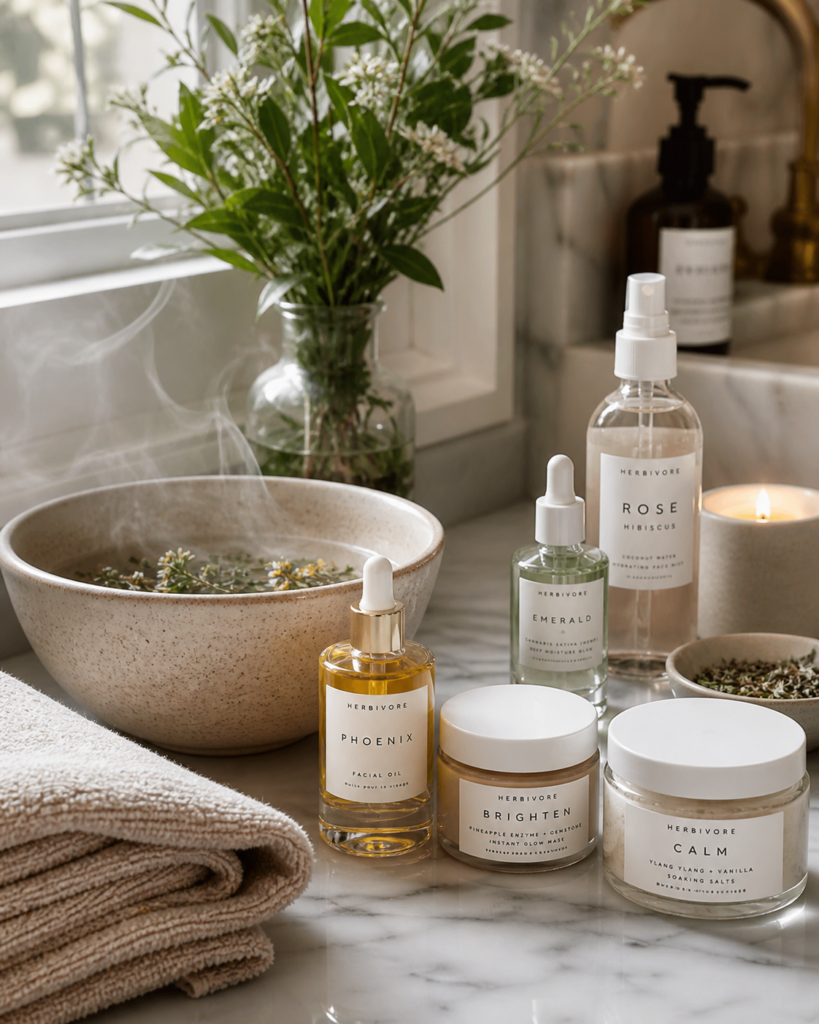
For example, a simple facial massage can support relaxation and help skincare products spread more evenly. A warm compress may soften the skin before cleansing. A gentle botanical balm can protect dry areas during colder months. These practices are easy to incorporate into daily life without overwhelming your routine.
Honoring Tradition While Making It Your Own
Preserving healing traditions does not mean following every practice exactly as it was done in the past. It means honoring the heart of the ritual while adapting it safely and realistically for modern life.
You might update a family remedy by choosing skin-safe formulations, using clean tools, or combining traditional ingredients with dermatologist-recommended products. You might keep the emotional ritual while changing the method. For example, instead of making a homemade face mask from scratch, you may choose a product featuring an ingredient your family has used for generations.
This balance allows tradition to stay alive. It becomes flexible, personal, and relevant.
Everyday Use Case: Creating a Personal Ritual Journal
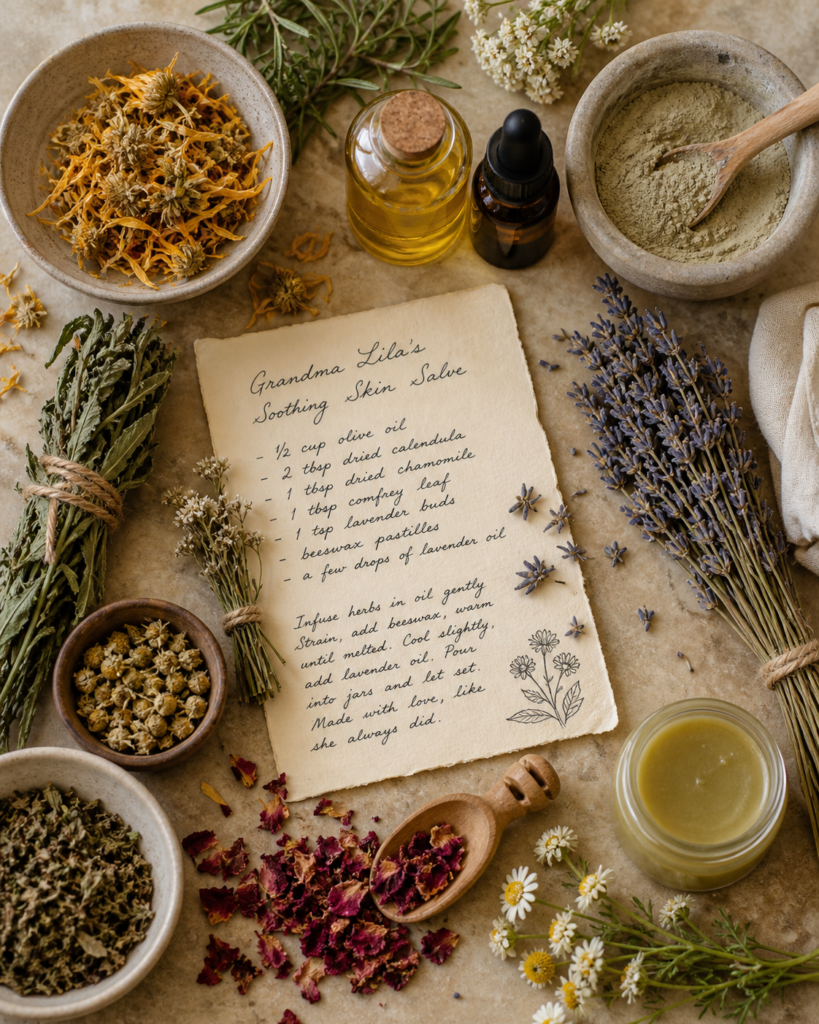
Write down the wellness or skincare practices you learned from your family or culture. Include who taught you, when you use it, what ingredients are involved, and how it makes you feel. This creates a meaningful record you can pass on.
Passing Healing Wisdom to the Next Generation
The most beautiful part of healing traditions is that they continue. Every time we share a remedy, explain an ingredient, or invite someone into a ritual, we help preserve wisdom that might otherwise fade.
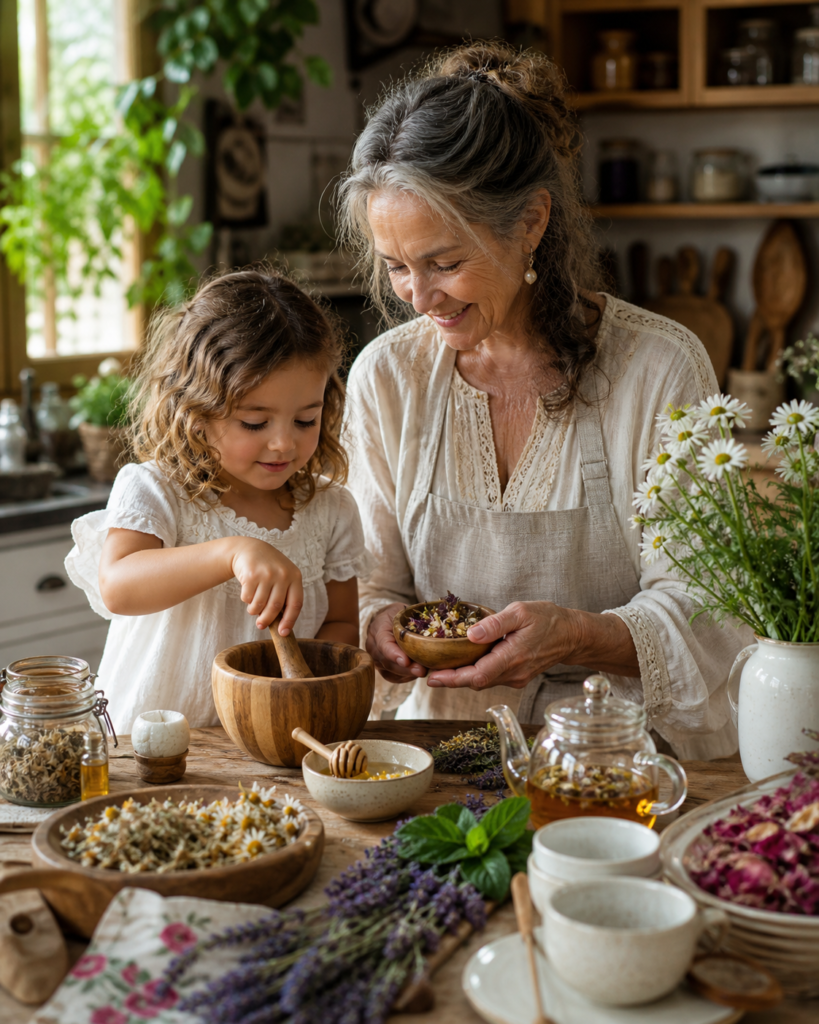
Passing these traditions on can be as simple as teaching a child how to make a soothing tea, showing a friend how to use a natural body oil, or writing down a family skincare recipe. These small acts carry love forward.
In a world filled with trends, generational healing traditions remind us that true beauty is not only about appearance. It is also about memory, care, connection, and the gentle wisdom that lives in everyday rituals.