
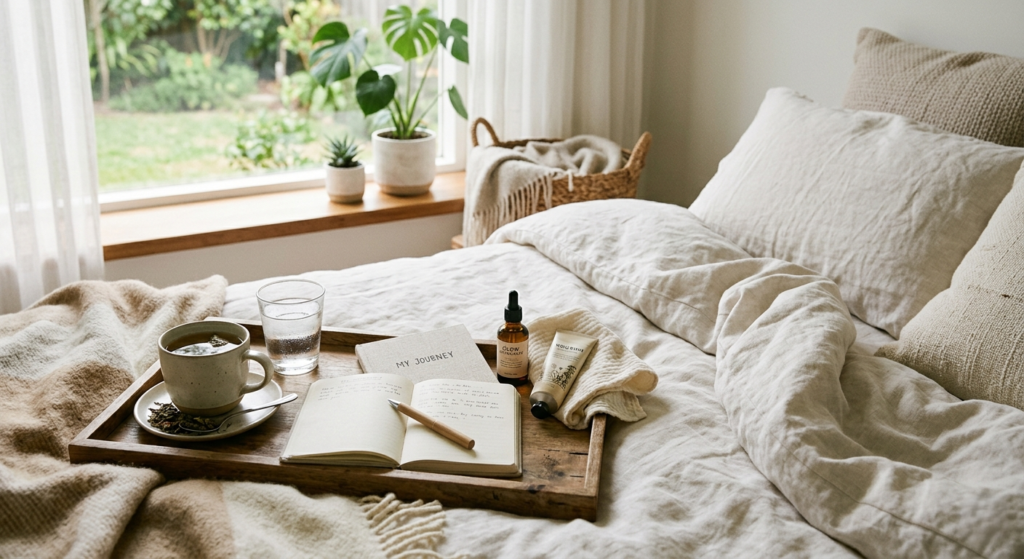
Stressful weeks happen to everyone. Maybe your schedule is packed, work feels demanding, your sleep is off, or your mind simply will not slow down. During these times, your body often carries the weight before you even realize it. You may notice tighter shoulders, duller skin, low energy, cravings, headaches, digestive changes, or trouble falling asleep.
The good news is that supporting your body during stressful weeks does not have to mean a complete lifestyle overhaul. Small, consistent habits can make a meaningful difference. Think of these practices as gentle support systems that help your body feel cared for, even when life feels busy.
Start With Hydration Before Anything Else
When stress rises, hydration is often one of the first habits to slip. You might drink more coffee, forget your water bottle, or go hours without taking a proper break. Even mild dehydration can make you feel more tired, foggy, and physically tense.
A simple way to support your body is to begin your morning with a glass of water before coffee or tea. You can also keep water nearby while working, commuting, or running errands. For a little extra comfort, try warm lemon water, cucumber-infused water, or herbal tea.
Hydration also supports the look and feel of your skin. While water alone will not solve every skin concern, staying hydrated can help your complexion look fresher and support your body’s natural functions during demanding weeks.

Everyday use case
Keep a reusable water bottle on your desk and aim to refill it at natural points in your day, such as after breakfast, lunch, and mid-afternoon.
Prioritize Gentle, Nourishing Meals
During stressful weeks, it is easy to skip meals, snack randomly, or rely on convenience foods. There is nothing wrong with quick meals, but your body still needs steady nourishment to help maintain energy and mood.
Focus on simple meals that combine protein, fiber, and healthy fats. This could be eggs with whole-grain toast, Greek yogurt with fruit, rice bowls with vegetables and chicken, avocado toast, lentil soup, or a smoothie with nut butter and berries.
The goal is not perfection. The goal is giving your body enough fuel to get through the day without feeling depleted. If cooking feels overwhelming, prepare easy “assembly meals” using pre-washed greens, canned beans, rotisserie chicken, frozen vegetables, or microwaveable grains.
Benefit
Balanced meals can help reduce energy crashes, support digestion, and make it easier to stay focused when your schedule feels demanding.
Make Sleep Feel More Inviting
Stress and sleep have a close relationship. Stress can make it harder to fall asleep, and poor sleep can make stress feel even heavier the next day. While you may not be able to control every factor, you can create a bedtime routine that signals safety and rest to your body.
Try dimming the lights 30 minutes before bed, putting your phone across the room, applying a calming moisturizer or body lotion, and doing a few slow breaths. A warm shower can also help you transition from “go mode” to rest mode.
For skincare audiences, bedtime is also a perfect time to simplify your routine. Instead of adding too many active ingredients when your body is already stressed, consider focusing on gentle cleansing, hydration, and barrier support.
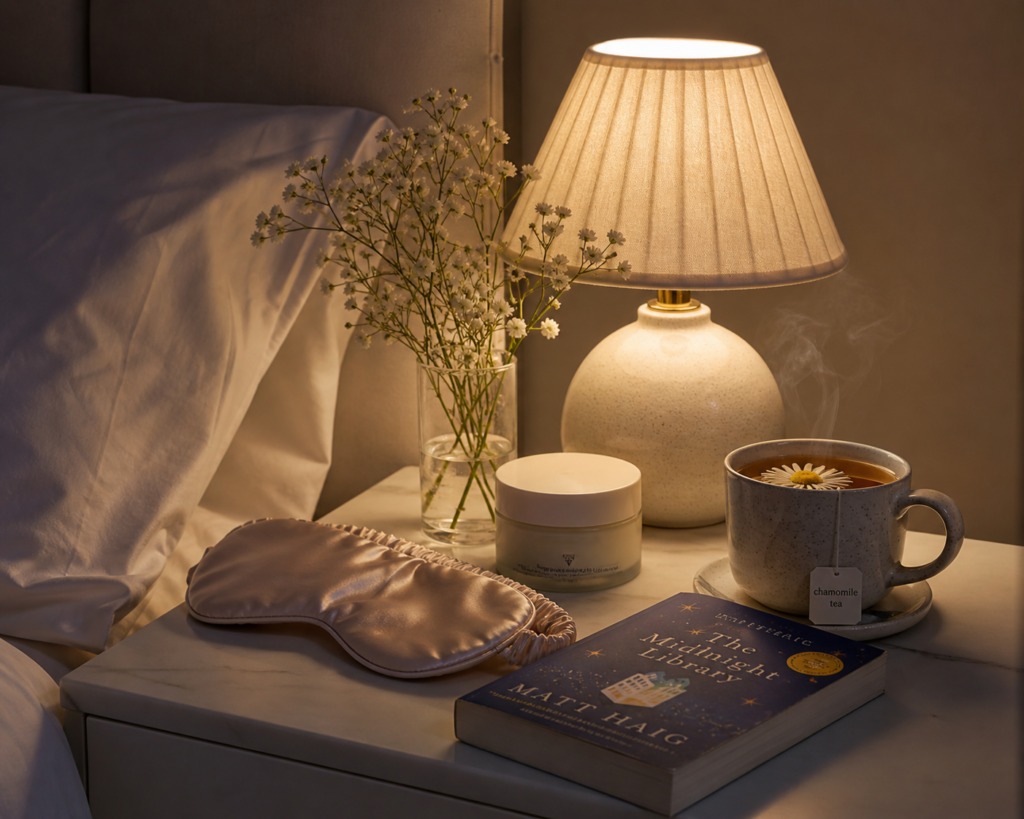
Everyday use case
Choose one calming bedtime cue, such as applying hand cream, playing soft music, or stretching for five minutes. Repeat it nightly so your body begins to associate it with rest.
Move Your Body Without Pushing Too Hard
Exercise can be helpful during stressful weeks, but intense workouts are not always what your body needs. If you feel exhausted, tense, or overstimulated, gentle movement may be more supportive than forcing yourself through a high-energy routine.
Walking, stretching, yoga, mobility exercises, or light cycling can help release tension and improve circulation. Even a 10-minute walk outside can shift your mood and give your mind a break from screens and responsibilities.
Movement is also a great way to reconnect with your body. Instead of thinking about calories or performance, focus on how movement makes you feel: looser, calmer, warmer, or more grounded.
Benefit
Gentle movement can ease muscle tightness, support better sleep, boost circulation, and help you feel more present during overwhelming days.
Support Your Skin Barrier
Stress can show up on the skin in different ways. Some people notice dryness, dullness, breakouts, redness, or sensitivity. During stressful weeks, your skin may benefit from a simpler, more supportive routine.
Consider focusing on the basics: a gentle cleanser, hydrating serum, moisturizer, and sunscreen during the day. If your skin feels reactive, it may be wise to pause strong exfoliants or harsh treatments until your skin feels balanced again.
Look for soothing ingredients such as ceramides, glycerin, hyaluronic acid, aloe, colloidal oatmeal, or niacinamide, depending on what your skin tolerates. The key is to avoid overwhelming your skin when your body is already under pressure.
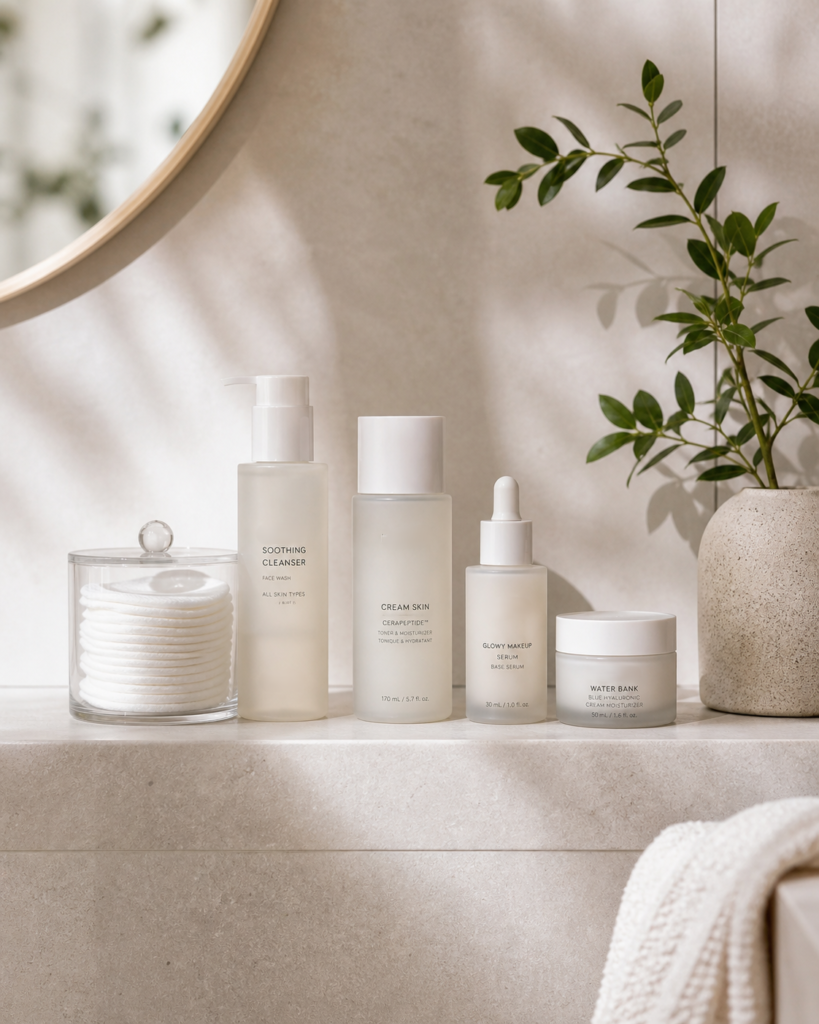
Everyday use case
Create a “stress week skincare routine” with only your most dependable products. This helps reduce decision fatigue and lowers the chance of irritating your skin.
Take Small Breathing Breaks
You do not need a long meditation session to calm your nervous system. Short breathing breaks can be woven into your day almost anywhere: at your desk, in the car before walking into work, while waiting for coffee, or before bed.
Try inhaling slowly for four counts, exhaling for six counts, and repeating this for one to three minutes. Longer exhales can help your body move toward a calmer state. You can also place one hand on your chest and one on your stomach to feel more grounded.
Practical insight
Breathing exercises are especially useful because they are free, quick, and available anytime. They can become a small reset button during stressful moments.
Create Tiny Moments of Comfort
When life feels stressful, your body benefits from cues that remind it you are safe and cared for. These moments do not need to be elaborate. They can be as simple as changing into soft clothes, lighting a candle, making tea, stepping outside, using a nourishing body oil, or playing calming music while you clean.
The purpose is not to ignore stress. It is to give your body moments of relief inside a busy week. These rituals can be especially helpful for people who tend to push through stress without pausing.
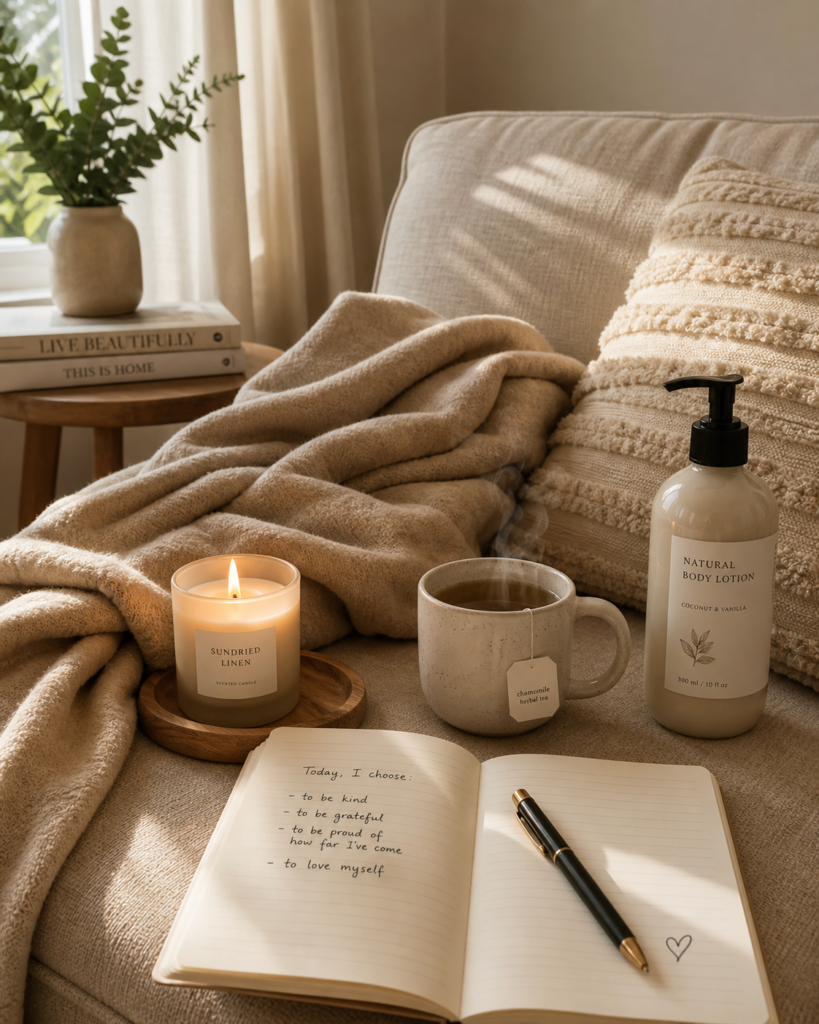
Everyday use case
Choose one five-minute comfort ritual for the week. Keep it simple enough that you can actually do it, even on your busiest day.
Reduce Decision Fatigue Where You Can
Stressful weeks often feel harder because your brain is making too many decisions. What to eat, what to wear, when to exercise, which skincare product to use, and how to manage your schedule can all add up.
Make things easier by simplifying your routines. Repeat easy breakfasts, plan two or three go-to outfits, keep your skincare routine minimal, and write down your top three priorities each morning. The fewer unnecessary decisions you make, the more energy you preserve for what truly matters.
Benefit
Reducing decision fatigue can help you feel calmer, more organized, and less overwhelmed by everyday tasks.
Be Gentle With Your Expectations
One of the most supportive things you can do during stressful weeks is lower the pressure to do everything perfectly. You may not complete every workout, cook every meal, sleep eight hours, or follow your full skincare routine. That does not mean you failed.
Supporting your body means listening to what it needs and choosing small actions that help you feel steadier. Some days, that may be a walk and a balanced dinner. Other days, it may be drinking water, washing your face, and going to bed early.
Stressful seasons are not the time to demand perfection from yourself. They are the time to practice care, flexibility, and patience.
Key Takeaways
Learning how to support your body during stressful weeks is about building simple habits that make daily life feel more manageable. Hydration, nourishing meals, gentle movement, better sleep cues, calming skincare, breathing breaks, and small comfort rituals can all help your body feel more supported.
You do not need to do everything at once. Start with one or two habits that feel realistic this week. Over time, these small choices can create a stronger foundation for your energy, mood, skin, and overall well-being.