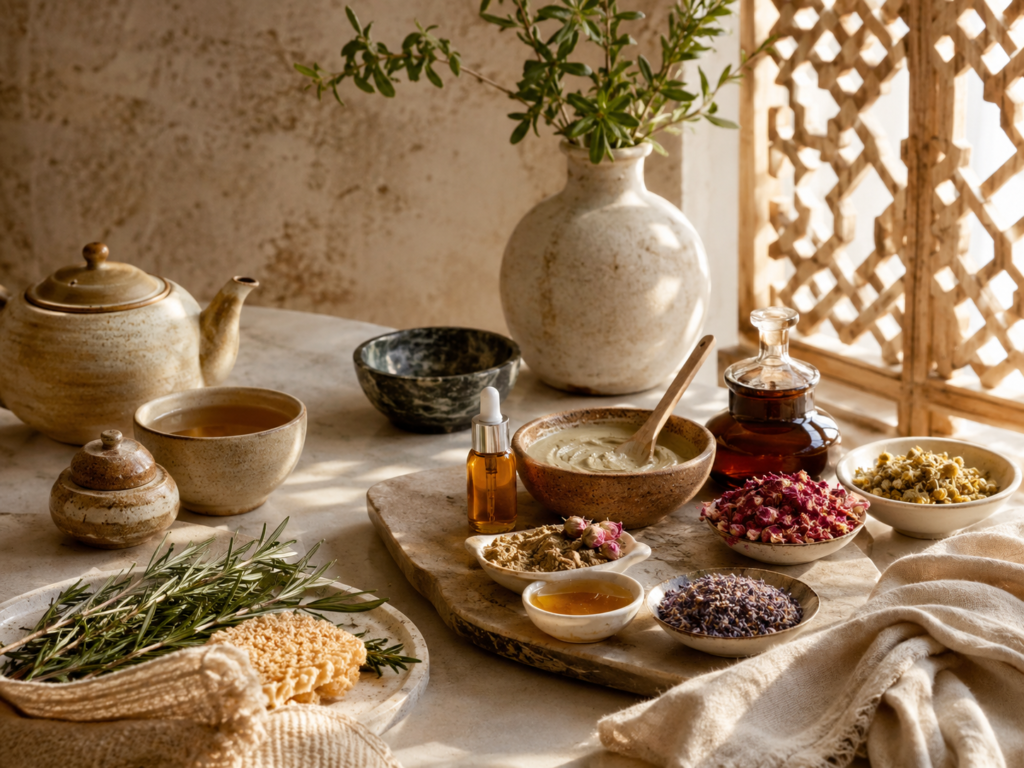
Wellness often feels like a modern concept, filled with skincare routines, herbal teas, meditation apps, clean beauty products, and mindful living tips. But long before wellness became a lifestyle category, people around the world were creating rituals to care for the body, calm the mind, nourish the skin, and stay connected to community.
Our heritage plays a powerful role in how we define wellness. It influences the ingredients we trust, the routines we practice, the foods we eat, the way we rest, and even how we understand beauty. Whether it is a grandmother’s homemade face mask, a family recipe passed down for generations, or a cultural belief in balance and harmony, heritage gives wellness deeper meaning.
Why Heritage Matters in Wellness
Heritage connects wellness to identity. It reminds us that self-care is not only about appearance or productivity, but also about belonging, memory, and tradition. Many wellness habits are learned at home before they are ever discovered online. A parent may teach the value of herbal remedies, a grandparent may share the importance of rest, or a cultural celebration may center around food, cleansing, beauty, or renewal.
These traditions shape what feels comforting and trustworthy. For some people, wellness may mean using plant-based oils that have been part of their culture for centuries. For others, it may mean preparing nourishing meals, practicing spiritual reflection, spending time outdoors, or gathering with loved ones.
When we understand wellness through heritage, we see it as something personal rather than one-size-fits-all.
Everyday Use Case: Choosing Products With Meaning
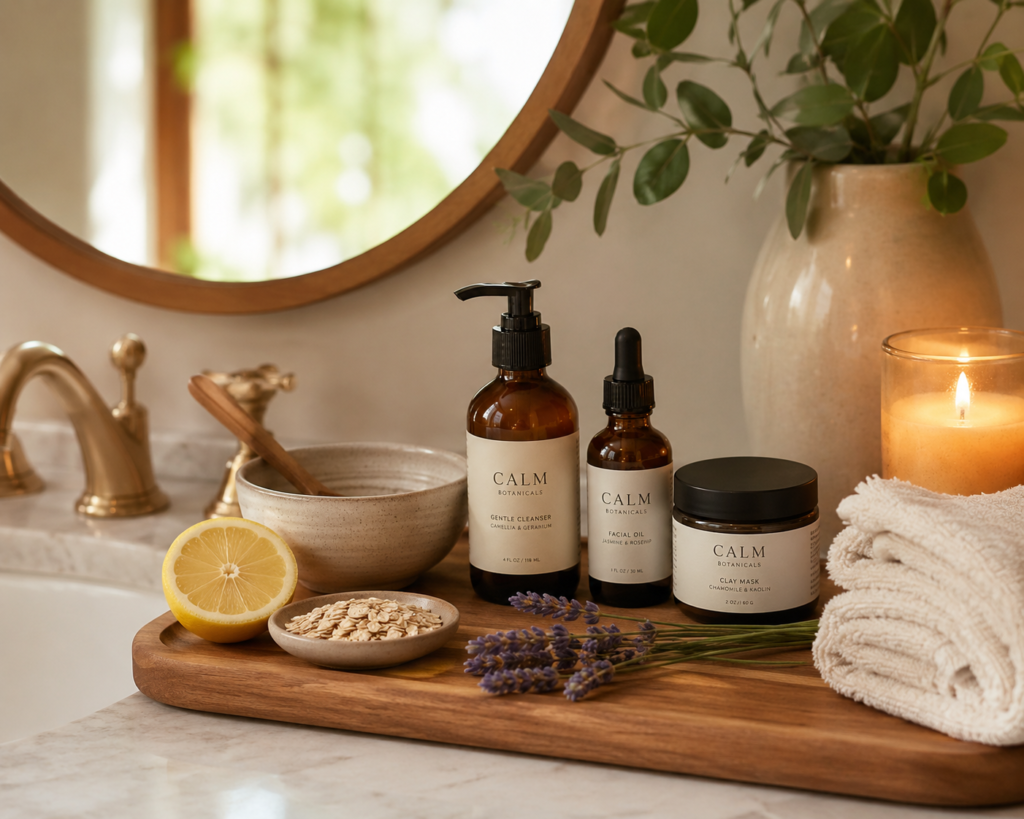
In skincare and lifestyle routines, heritage can guide ingredient choices. Someone may be drawn to rice water, turmeric, shea butter, green tea, aloe, rose water, or coconut oil because these ingredients are connected to family memories or cultural practices. These choices can make a routine feel more intentional and emotionally grounding.
Cultural Traditions and the Beauty of Ritual
Many cultures view wellness as a ritual, not a task. A skincare routine, for example, may not simply be about applying products. It can become a moment of care, reflection, and connection to generations before us.
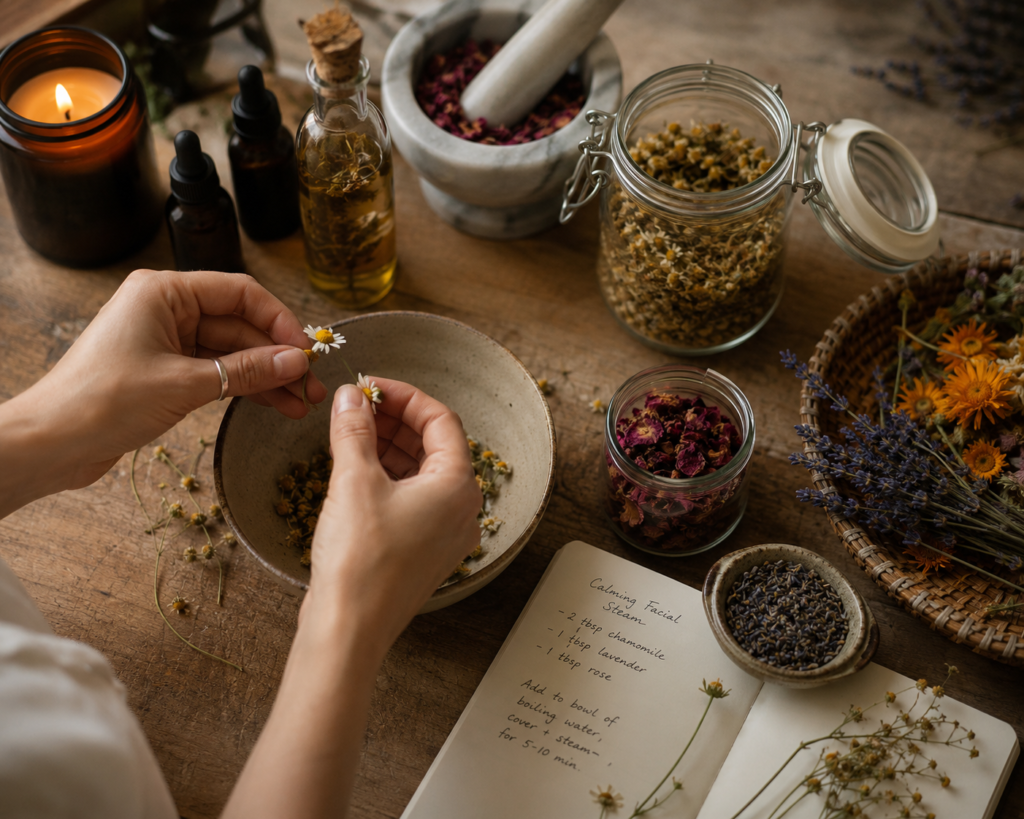
In some traditions, beauty rituals are slow and sensory. They involve massage, aromatic oils, steam, herbal infusions, or handmade preparations. These practices encourage people to pause and pay attention to the body. In a fast-paced world, that kind of ritual can feel deeply restorative.
Heritage-based wellness also often values prevention and balance. Instead of waiting for stress, dryness, fatigue, or imbalance to appear, many traditional approaches emphasize daily care. This might include drinking warming teas, protecting the skin from harsh weather, eating seasonal foods, or using gentle cleansing methods.
Practical Insight: Turn Routine Into Ritual
A simple way to bring heritage into modern wellness is to slow down one part of your daily routine. Instead of rushing through cleansing, moisturizing, or making tea, treat it as a ritual. Notice the scent, texture, temperature, and feeling. This makes wellness more mindful and less mechanical.
How Family Wisdom Shapes Self-Care Habits
Many people first learn about wellness through family wisdom. These lessons may be informal, but they can leave a lasting impact. You may remember being told to drink more water, moisturize after bathing, cover your hair before bed, eat certain foods when you feel tired, or rest when your body asks for it.
This inherited wisdom is valuable because it often comes from lived experience. It reflects what worked for people in specific climates, communities, and lifestyles. For skincare audiences especially, this matters. Skin and hair care traditions are often shaped by environment, ancestry, and available natural resources.
Of course, not every inherited practice needs to be followed without question. Modern wellness allows us to combine traditional knowledge with current research, safety, and personal preference. The goal is not to romanticize the past, but to honor what is meaningful while making choices that suit your body today.
Benefit: A More Personal Wellness Routine
When wellness is connected to family and heritage, it becomes easier to build habits that feel natural. Instead of copying trends, you can create routines that reflect your values, your background, and your lifestyle.
Heritage, Ingredients, and Skincare Choices
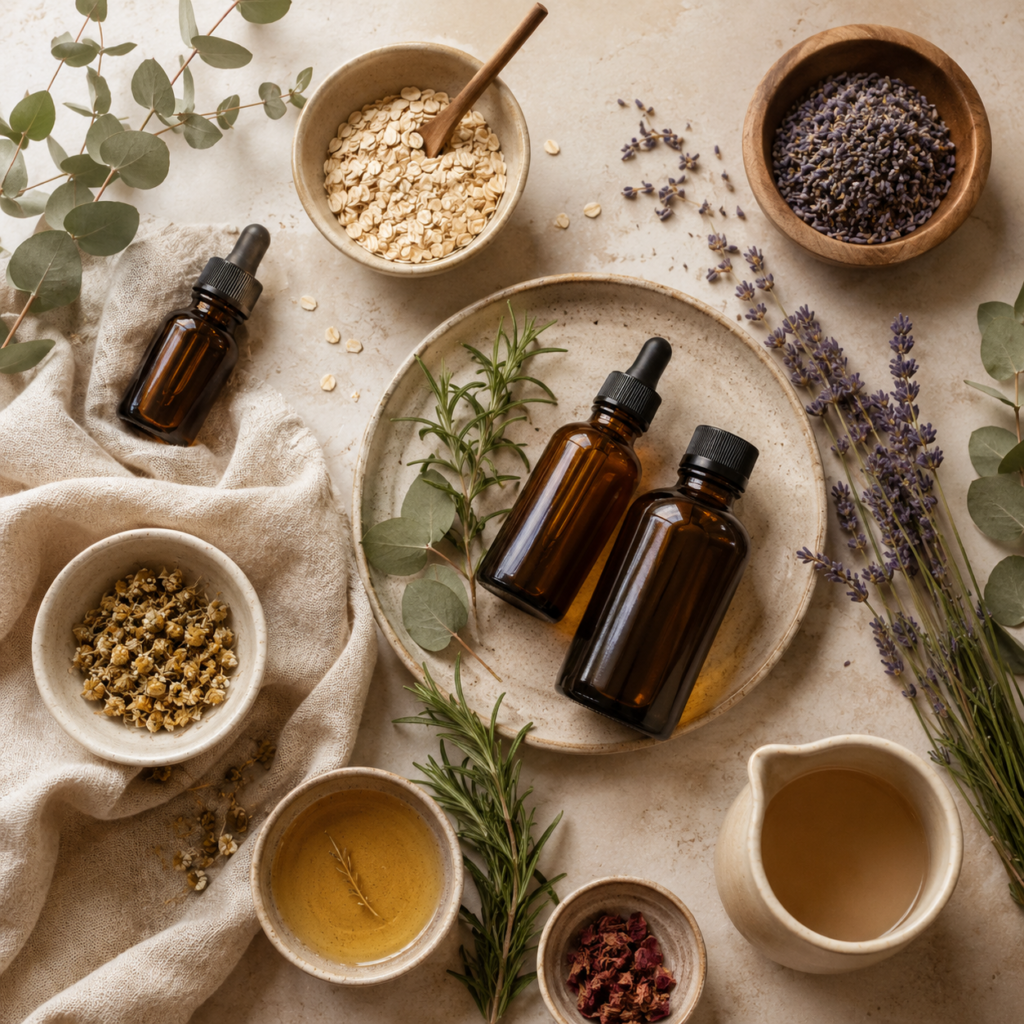
Skincare is one of the clearest places where heritage influences wellness. Ingredients often carry cultural stories. Shea butter, for example, is associated with deeply nourishing skin care traditions in parts of Africa. Rice water has long been used in some Asian beauty practices. Turmeric appears in many South Asian wellness and beauty rituals. Olive oil is connected to Mediterranean care traditions.
These ingredients are popular today not only because of their benefits, but because they represent continuity. They connect modern consumers to older forms of knowledge. For lifestyle and skincare brands, this creates an important responsibility: heritage should be respected, not reduced to a trend.
Consumers are increasingly interested in where ingredients come from, how they are sourced, and what stories are attached to them. A heritage-informed approach to wellness encourages curiosity, respect, and transparency.
Everyday Use Case: Reading Labels More Thoughtfully
Before buying a wellness or skincare product, look beyond the front label. Check the ingredient list, sourcing information, and brand storytelling. Ask whether the product honors the cultural roots of its ingredients or simply uses them as marketing language.
Wellness as Community, Not Just Self-Care
Modern wellness often focuses on the individual: your routine, your skin, your mindset, your goals. Heritage reminds us that wellness has always been connected to community. Many cultural traditions involve shared meals, collective rest, ceremonies, storytelling, bathing rituals, movement, music, or seasonal gatherings.
This broader view can make wellness feel less isolating. Caring for yourself can also mean staying connected to others, asking for support, preserving family traditions, or creating new rituals with friends.
For example, preparing a traditional meal with family can be a wellness practice. Teaching a child a skincare habit can be a wellness practice. Sharing tea after a long day can be a wellness practice. These moments nourish emotional health as much as physical well-being.
Practical Insight: Create Shared Rituals
Try building one small shared wellness ritual into your week. It could be a Sunday meal, an evening tea, a skincare night with a loved one, a walk with family, or a quiet moment of reflection. Shared rituals can strengthen connection and reduce stress.
Balancing Tradition With Modern Wellness
Heritage can guide wellness, but it does not have to limit it. The most meaningful routines often blend old and new. You might use a traditional ingredient in a modern skincare formula. You might practice a family ritual while also following advice from a dermatologist. You might honor cultural food traditions while adapting them to your current lifestyle.
This balance allows wellness to stay alive and relevant. Traditions do not have to remain frozen in time. They can evolve with each generation while still carrying the values, comfort, and wisdom of the past.
Wellness With Deeper Roots
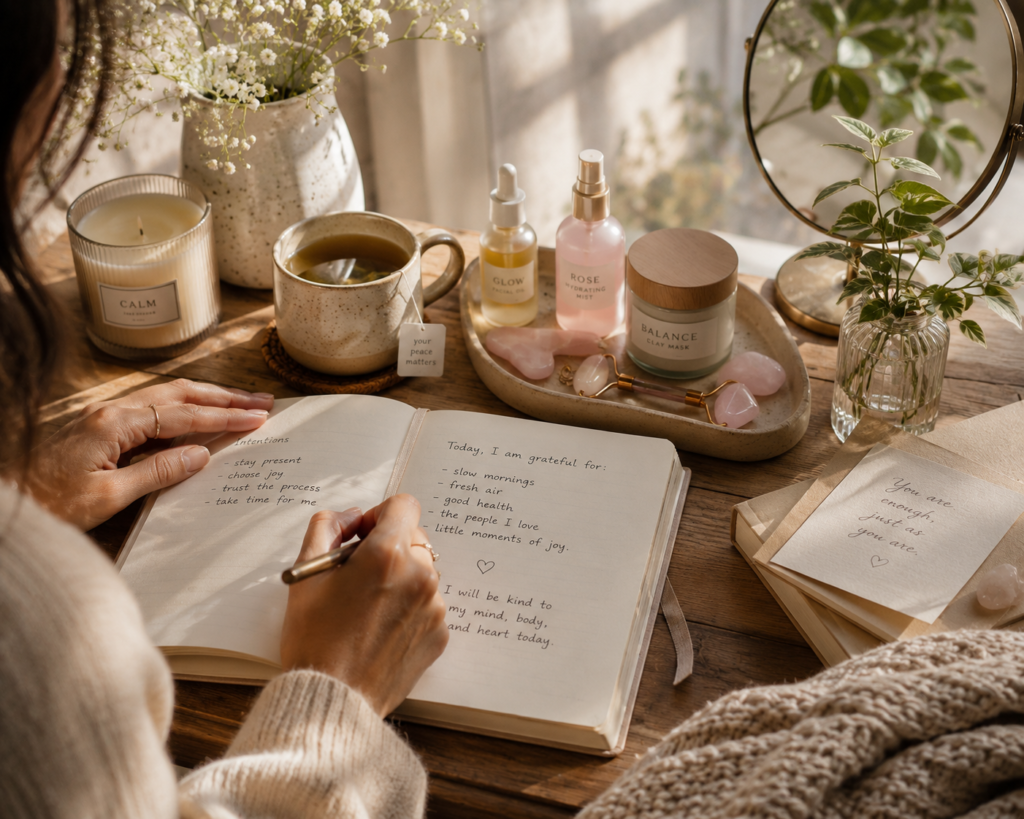
Heritage shapes the way we think about wellness by giving everyday habits a sense of meaning. It teaches us that skincare, rest, nourishment, and self-care are not just trends. They are part of a larger story about culture, memory, identity, and connection.
By honoring heritage, we can build wellness routines that feel more personal, respectful, and sustainable. Whether through ingredients, rituals, family wisdom, or shared moments, heritage helps us remember that true wellness is not only about looking better. It is about feeling rooted, cared for, and connected.