You do not have to know the scientific name of every plant to start paying closer attention to them.
In fact, you may already know more than you realize.
You recognize certain herbs by smell. You know that fresh and dried plants can look completely different. You notice when something growing in the yard changes with the weather. You may even have plants in your kitchen that you can identify without checking the package.
For someone searching for an apothecary Johns Island residents can explore, that everyday familiarity is a useful starting point.
Botanical wellness does not have to begin with memorizing dozens of herbs.
It can begin by becoming more curious about the plants already present in ordinary life.
Plant Knowledge Can Start in the Kitchen
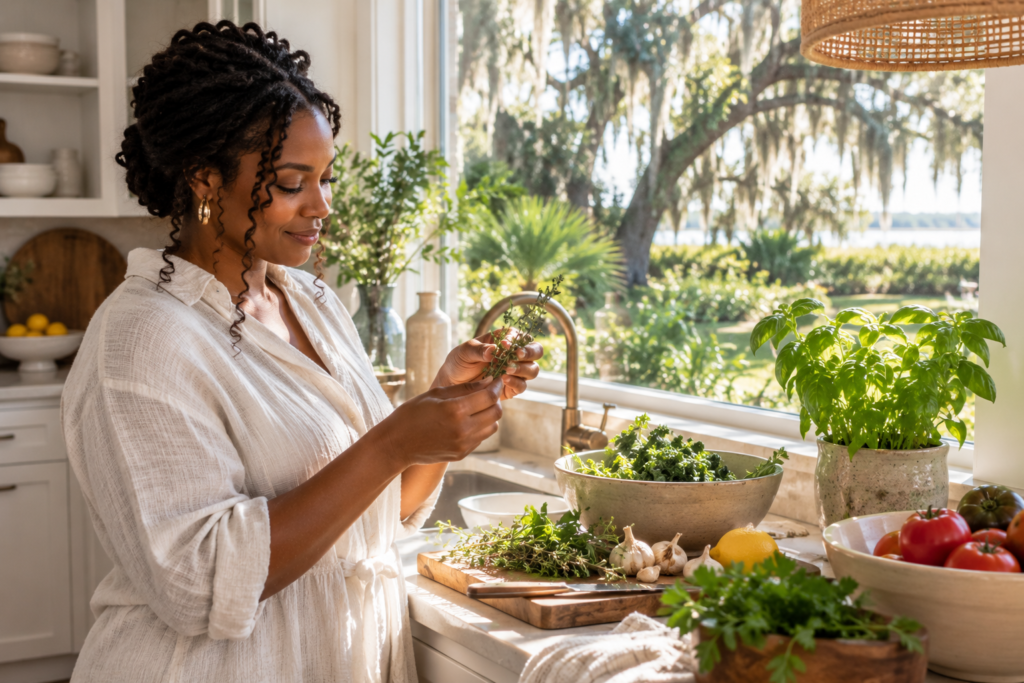
The kitchen may be one of the easiest places to become more observant about plants.
Open the refrigerator, pantry, or spice cabinet and look around.
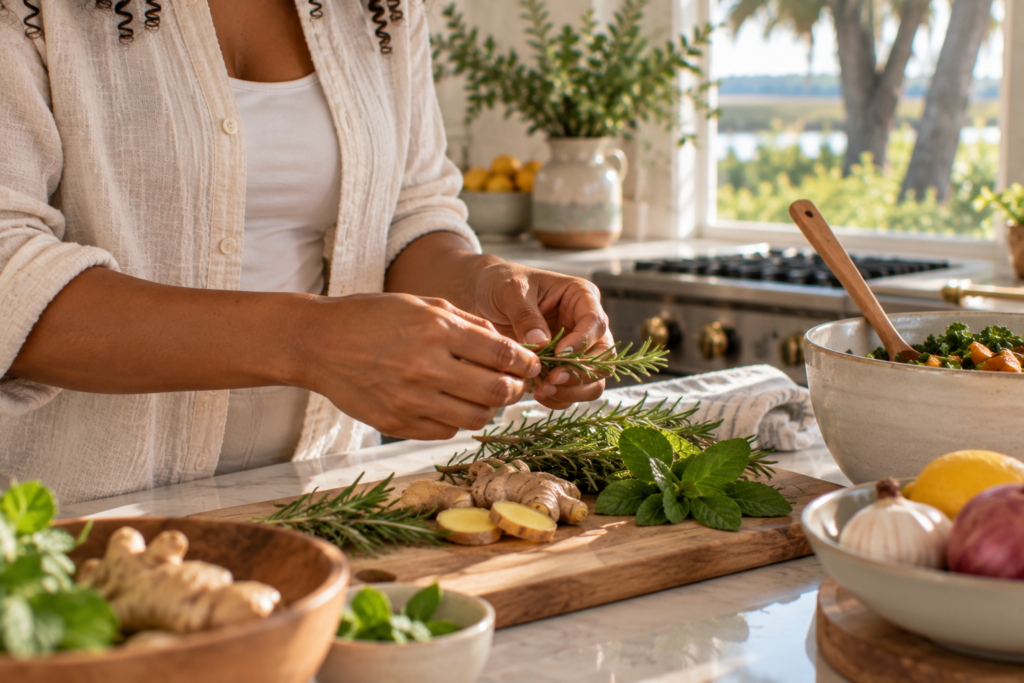
Ginger has a distinctive appearance when sliced.
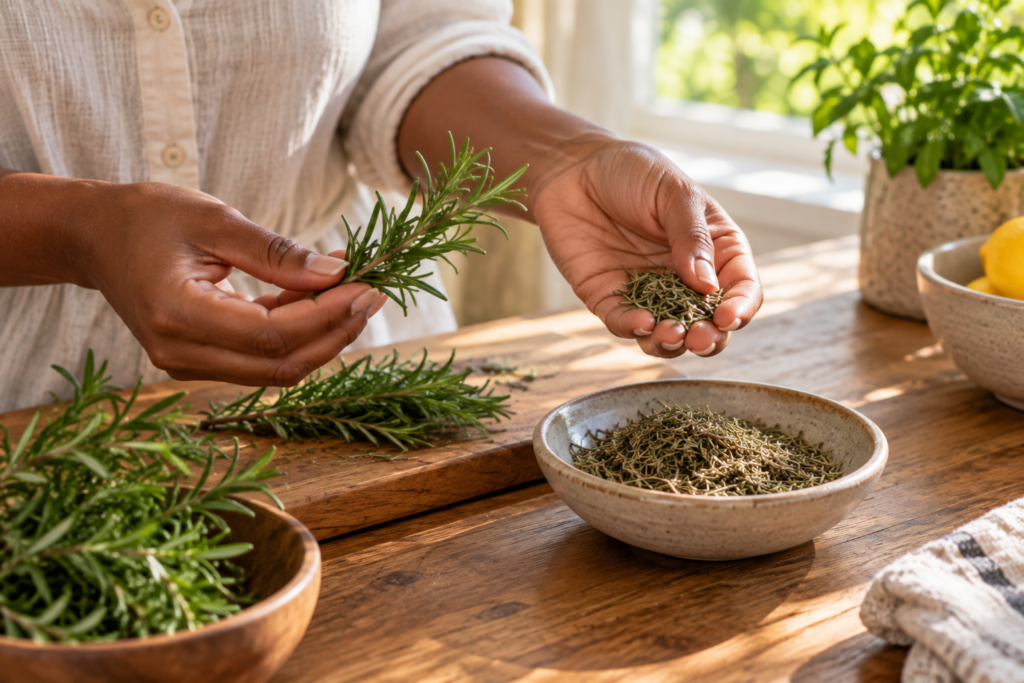
Rosemary has a recognizable fragrance.
Mint can be identified almost immediately once its leaves are crushed.
Basil changes noticeably when it is fresh, wilted, or dried.
These observations might seem simple, but they build familiarity.
You begin noticing aroma, texture, freshness, preparation, and storage.
Those same details become useful when you encounter botanicals in other forms.
The Backyard Can Teach You to Notice More
Johns Island is known for a landscape where residential areas, mature vegetation, farms, waterways, and open spaces can exist surprisingly close together.
That environment makes plants difficult to ignore.
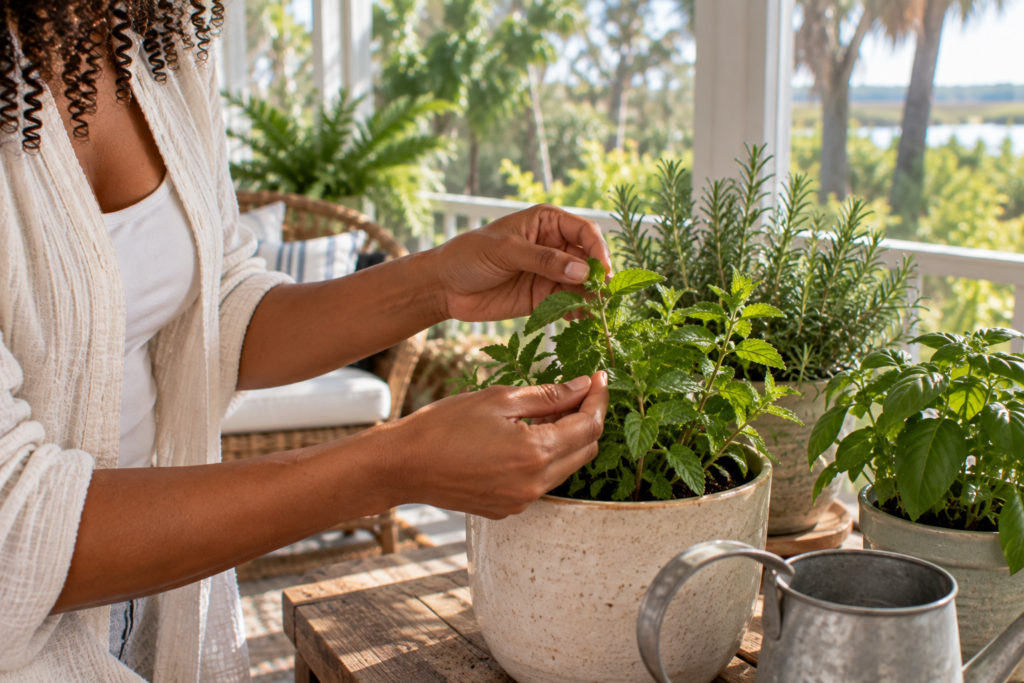
You might notice what thrives in full sun compared with a shaded corner.
Some plants respond dramatically to heat.
Others seem to change after several days of rain.
Leaves can look different depending on the season, growing conditions, or age of the plant.
You do not need to harvest anything to learn from these observations.
Simply noticing plants where they grow can remind you that botanical ingredients begin as living organisms—not as powders, oils, teas, or attractive containers.
Growing a Plant Is Different From Using One
Seeing herbs growing at home can create a sense of familiarity.
Familiar, however, does not automatically mean appropriate for every use.
A plant that smells pleasant or looks recognizable should not automatically be turned into a tea, topical preparation, or homemade remedy.
Correct identification matters.
So does understanding which part of a plant is traditionally used, how it is prepared, and whether precautions apply.
This is an important distinction for anyone becoming interested in botanical wellness.
Curiosity is valuable.
So is knowing where curiosity should stop and better information should begin.
Notice the Difference Between Fresh and Prepared
A botanical ingredient can look very different by the time it reaches an apothecary shelf.
A fresh leaf may become dried plant material.
A root might be sliced and dried.
Botanicals may be infused into another medium or incorporated into a finished preparation.
That transformation matters.
Seeing a familiar plant name on an ingredient list does not necessarily mean the product is equivalent to using that plant fresh at home.
Preparation affects how a botanical is used.
This is why an apothecary is about more than simply collecting plants.
The form matters too.
Let Familiar Plants Become Reference Points
You do not need to learn twenty new botanicals this weekend.
Start with one you already recognize.
Look at it fresh.
Notice its aroma.
If you cook with it, observe how heat changes it.
Look at what the dried version resembles.
Read about where it grows and how it has traditionally been used.
The goal is not to turn yourself into an herbalist.
It is to develop a better frame of reference.
Once you have carefully observed a few familiar plants, botanical terminology can start feeling less abstract.
Local Curiosity Does Not Require Foraging
Living around abundant greenery can make foraging sound appealing.
But identifying a plant from appearance alone can be unreliable.
Some plants resemble others, and growing beside a road, landscaped area, or private property introduces additional concerns.
You also cannot tell simply by looking whether a plant has been exposed to pesticides or other contaminants.
You can enjoy local botanical curiosity without picking anything.
Take photographs.
Observe changes over time.
Grow familiar culinary herbs at home.
Visit places where plants are intentionally cultivated.
Use reliable educational sources when you want to identify something.
Learning does not require turning every interesting plant into something you consume.
Bring That Curiosity to the Apothecary
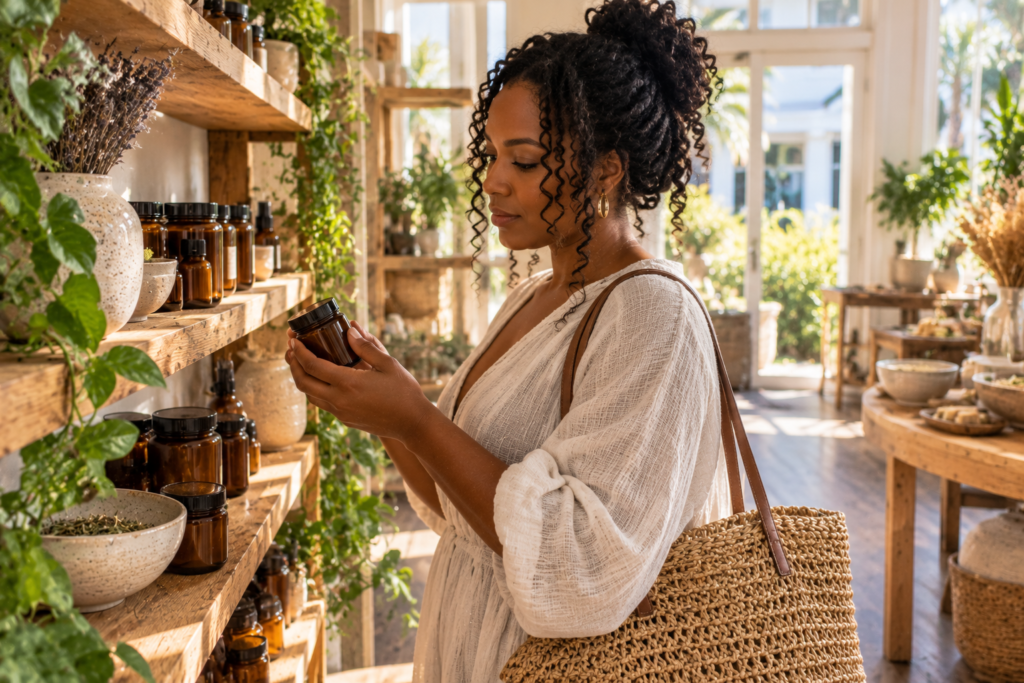
Once you start noticing plants more carefully, visiting an apothecary can feel different.
Instead of seeing a wall of unfamiliar botanical names, you begin asking better questions.
What part of the plant is being used?
Is it dried, infused, extracted, or incorporated into another preparation?
What is the finished product intended for?
How should it be used?
Those questions connect the living plant with the finished preparation.
When looking for an apothecary Johns Island residents can conveniently access, that kind of curiosity can help you explore products without feeling as though you need to understand everything immediately.
Keep Botanical Learning Practical
There is always more to learn about plants.
That does not mean botanical wellness needs to become another subject you feel pressured to master.
Keep it manageable.
Choose one familiar plant.
Learn what it looks and smells like.
Notice the difference between fresh and dried forms.
Find out which part of the plant is commonly used.
Then move on when something else genuinely interests you.
Over time, those small observations add up.
Key Takeaways
- Everyday plant knowledge can begin in your own kitchen or garden.
- Familiar herbs can help you learn about aroma, texture, freshness, and preparation.
- A living plant may look very different from the ingredient found in a finished botanical product.
- Recognizing a plant does not automatically make it appropriate for homemade remedies.
- You can learn about local plants without harvesting or consuming them.
- Reliable identification and preparation information matter.
- Botanical curiosity can help you ask more useful questions when exploring an apothecary.
- You do not need expert-level knowledge to become a more observant consumer.
Final Thoughts
Botanical knowledge does not always begin with a book, a course, or a shelf filled with unfamiliar herbs.
Sometimes it begins when you recognize rosemary without reading the label.
Or when you notice how different a dried leaf looks from the plant growing outside.
Those ordinary observations can make the botanical world feel a little less mysterious.
And when you eventually explore an apothecary, you are no longer looking only at finished products. You are thinking about the plants, preparations, and choices that came before them.
Continue exploring botanical care near Johns Island with the same curiosity you bring to the plants already around you.