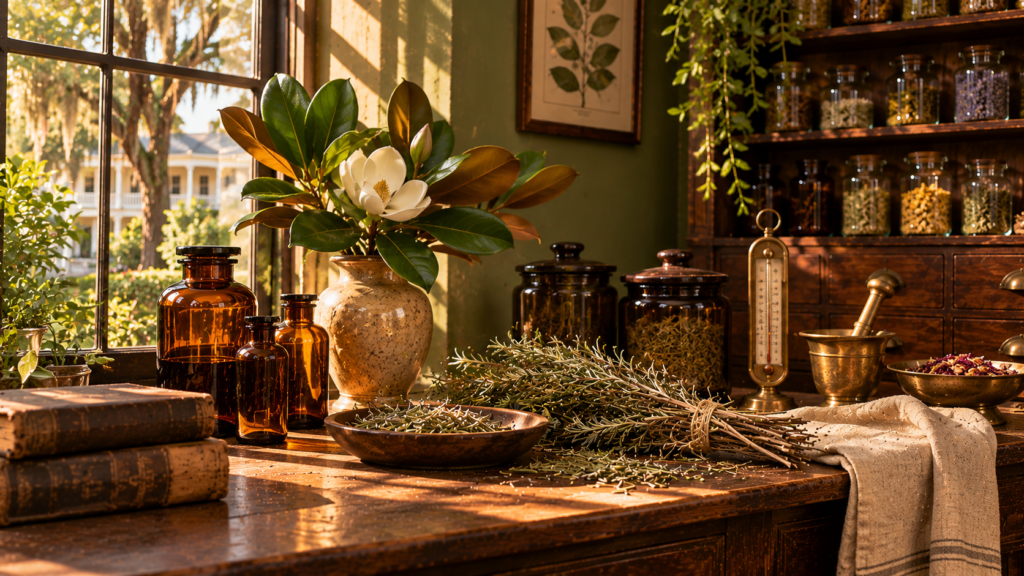
Charleston has a way of making you notice the weather.
Warm afternoons, humid mornings, and sudden summer rain are familiar parts of Low country life.
You might think about those conditions when choosing what to wear or planning time outdoors.
But have you considered how they affect the products sitting on your bathroom shelf?
For anyone exploring an apothecary in Charleston, South Carolina, understanding everyday product storage is a useful part of botanical self-care.
Plant-based ingredients may be associated with freshness and simplicity, but finished personal-care products still need appropriate storage.
The good news is that protecting them doesn’t require an elaborate setup.
A few thoughtful habits can make a meaningful difference.
Why Charleston’s Climate Matters for Personal Care
Charleston experiences a humid subtropical climate, with hot summers and substantial moisture in the air.
These conditions can influence indoor environments, particularly in spaces without consistent temperature or humidity control.
A bathroom may become especially humid after a hot shower.
A windowsill can receive direct sunlight for hours.
A parked car can become extremely hot.
These environments may expose personal-care products to conditions outside their recommended storage range.
However, the effects depend on the formulation, packaging, and duration of exposure.
Not every botanical product responds to heat or humidity in the same way.
Heat Can Change How Products Feel
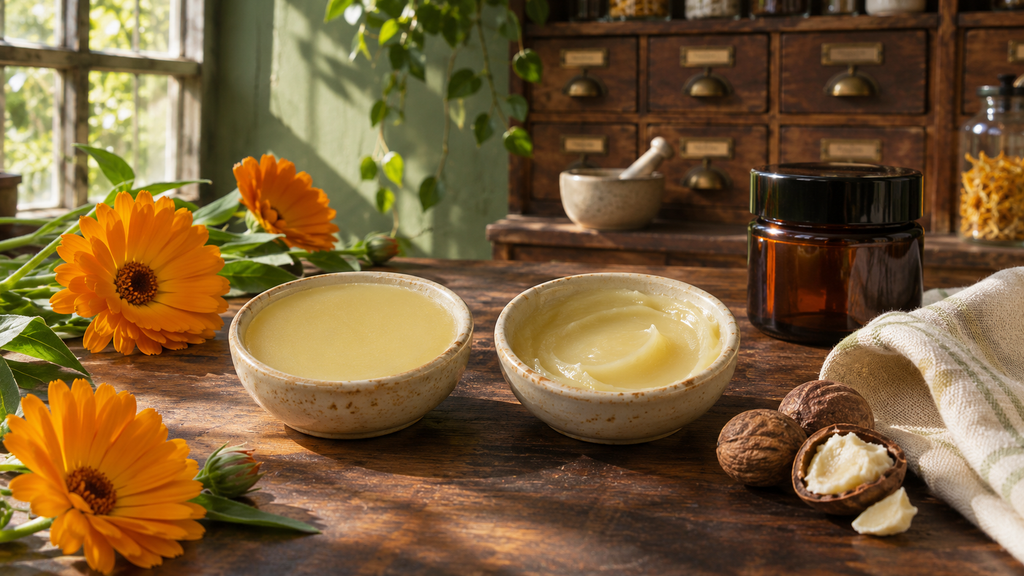
Have you ever opened a balm and noticed that it feels softer than usual?
Temperature may be part of the explanation.
Some oil-based balms and butters contain ingredients that soften or melt when exposed to warmth.
As temperatures change, their texture may also change.
This doesn’t automatically mean a product has become unsafe.
However, unexpected separation, persistent texture changes, or unusual odors can indicate that a product needs closer attention.
Always follow the manufacturer’s storage directions.
If a product changes significantly or appears spoiled, discontinue use and contact the manufacturer rather than attempting to repair it yourself.
Humidity and Moisture Aren’t Quite the Same Thing
Humidity refers to water vapor in the air.
Direct moisture exposure happens when water physically enters or contacts a product.
Both can matter, but they create different concerns.
A properly sealed container may protect its contents from ordinary ambient humidity.
However, leaving a jar open in a damp room or introducing water with wet fingers can create additional contamination risks.
Water-containing products are generally formulated with preservation systems appropriate to their intended use.
Water-free products have different requirements, but they are not automatically protected from contamination.
The safest approach is to keep containers closed, follow the directions, and avoid introducing unnecessary moisture.
Is the Bathroom Really the Best Storage Spot?
Bathrooms are convenient.
They’re where many people wash their faces, moisturize, and complete their daily routines.
But they can also experience frequent changes in temperature and humidity.
If your bathroom becomes very steamy, a closed cabinet away from direct heat and splashing may be preferable to an exposed shelf.
For products that require a cool, dry environment, a bedroom drawer or another suitable indoor location may be more appropriate.
There’s no universal rule that every botanical product must be removed from the bathroom.
The best location depends on the product’s storage instructions and your home’s actual conditions.
Sunlight Is Beautiful, but Not Always Helpful
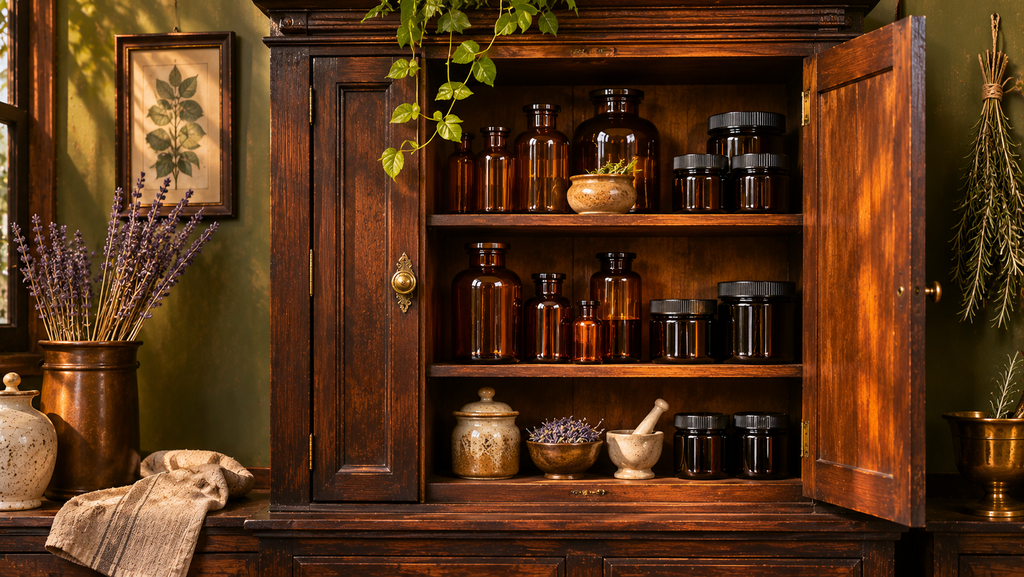
A sunny window can make a collection of botanical bottles look appealing.
Unfortunately, direct sunlight isn’t always ideal for product storage.
Light exposure may contribute to changes in certain ingredients, depending on the formulation and packaging.
Heat from a sunny windowsill can also create problems.
Some products use amber or opaque packaging to help limit light exposure.
But protective packaging doesn’t mean a product should be left in direct sunlight indefinitely.
Keep products away from prolonged sun exposure unless the manufacturer specifies otherwise.
Your favorite botanical display can still look beautiful without placing every container beside a window.
What About Refrigerating Botanical Products?
It may seem logical to place natural skincare in the refrigerator during a Charleston summer.
But refrigeration isn’t always necessary or recommended.
Some formulations may become unusually firm, separate, or change texture when chilled.
Others may have specific refrigeration requirements.
Always check the product’s instructions before changing its storage conditions.
A cool indoor cabinet is often more practical for products labeled for ordinary room-temperature storage.
Refrigeration should be based on product requirements rather than the assumption that colder is always better.
Small Habits That Help Keep Products in Good Condition
Good storage isn’t only about choosing the right shelf.
It’s also about how products are handled.
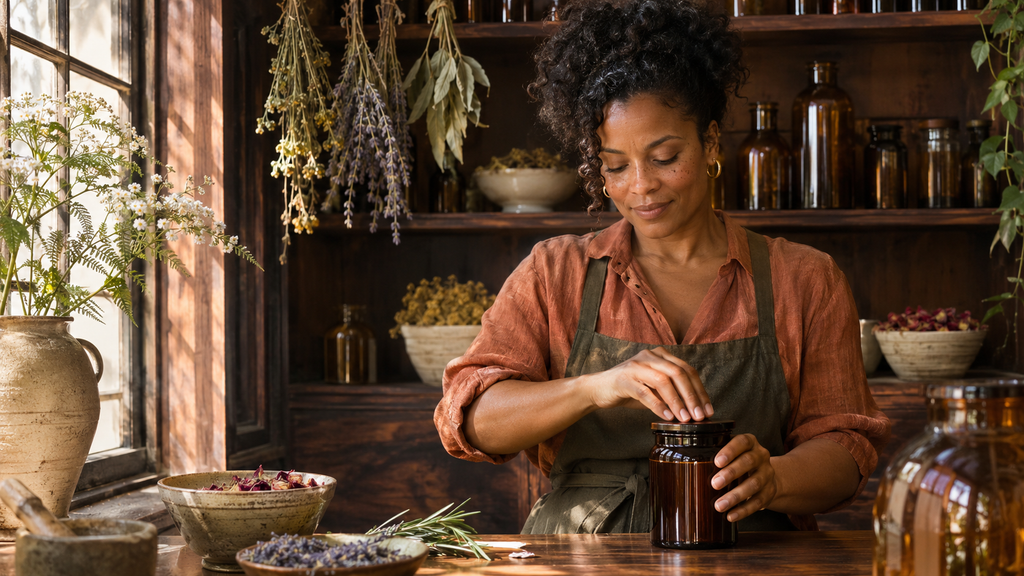
Start with clean, dry hands when using products in jars.
Keep lids tightly closed between uses.
Avoid sharing applicators or introducing water into containers.
Check expiration dates or period-after-opening information when provided.
Use products according to their intended purpose.
If you notice mold, unusual discoloration, an unexpected odor, or significant changes in consistency, stop using the product.
These habits are useful in Charleston and anywhere else that experiences changing indoor conditions.
A Charleston Summer Storage Check
When the weather becomes particularly warm, consider checking the places where you keep your personal-care products.
Does direct sunlight reach the shelf?
Does the room become unusually hot?
Are containers exposed to shower steam or splashing water?
Are lids consistently closed?
You don’t need specialized equipment for a basic visual check of your storage environment.
However, if a product specifies a particular temperature range, follow that guidance rather than relying on how the room feels.
A few small adjustments can make your storage space more suitable.
Travel and Everyday Errands Deserve Attention Too
Charleston residents and visitors often spend time traveling between neighborhoods, beaches, and outdoor destinations.
That can mean leaving personal-care items inside bags or vehicles.
A parked car may reach temperatures far above the surrounding outdoor air.
For temperature-sensitive products, prolonged exposure can be particularly problematic.
Avoid storing botanical skincare in parked vehicles or leaving it exposed to direct sun during outdoor activities.
If you’re carrying products while traveling, follow their storage instructions and use suitable protective packaging.
Convenience matters, but so does keeping products within their recommended conditions.
An Apothecary Shelf Should Be Practical, Not Just Pretty
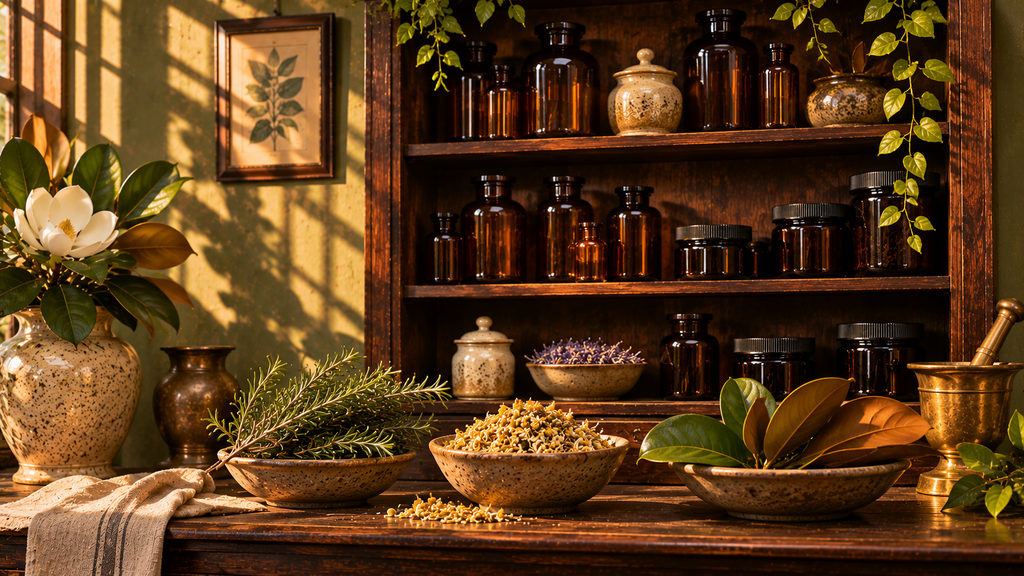
There’s something appealing about wooden shelves filled with amber bottles and botanical jars.
But an attractive arrangement isn’t necessarily a suitable storage environment.
A thoughtful apothecary-inspired space balances appearance with practicality.
Keep frequently used products accessible.
Protect temperature- or light-sensitive items as directed.
Avoid overcrowding containers where spills or damage are more likely.
Separate decorative dried botanical from products intended for direct personal use.
You can enjoy a beautiful botanical atmosphere while maintaining sensible storage habits.
Key Takeaways
- Charleston’s heat and humidity can influence indoor product-storage conditions.
- Temperature changes may affect the texture of some balms and oil-based formulations.
- Ambient humidity and direct water contamination are different concerns.
- Keeping containers closed helps protect products during everyday use.
- Bathrooms may not be ideal for every product, especially when they become hot or steamy.
- Direct sunlight can affect certain ingredients and formulations.
- Refrigeration should only be used when appropriate for the product.
- Clean, dry handling and proper closure are useful storage habits.
- Avoid leaving temperature-sensitive products inside parked vehicles.
- Always prioritize the manufacturer’s directions over general storage advice.
Final Thoughts
Charleston’s coastal climate is part of what makes the Low country distinctive.
But warm weather, humidity, and changing indoor conditions also remind us that botanical personal care deserves thoughtful storage.
A beautiful apothecary shelf can be practical as well as inviting.
By protecting products from unnecessary heat, moisture, and sunlight, you can help maintain the conditions their formulations were designed for.
Explore botanical skincare and apothecary-inspired self-care in Charleston with a focus on thoughtful product choices, proper handling, and everyday habits that fit your home.