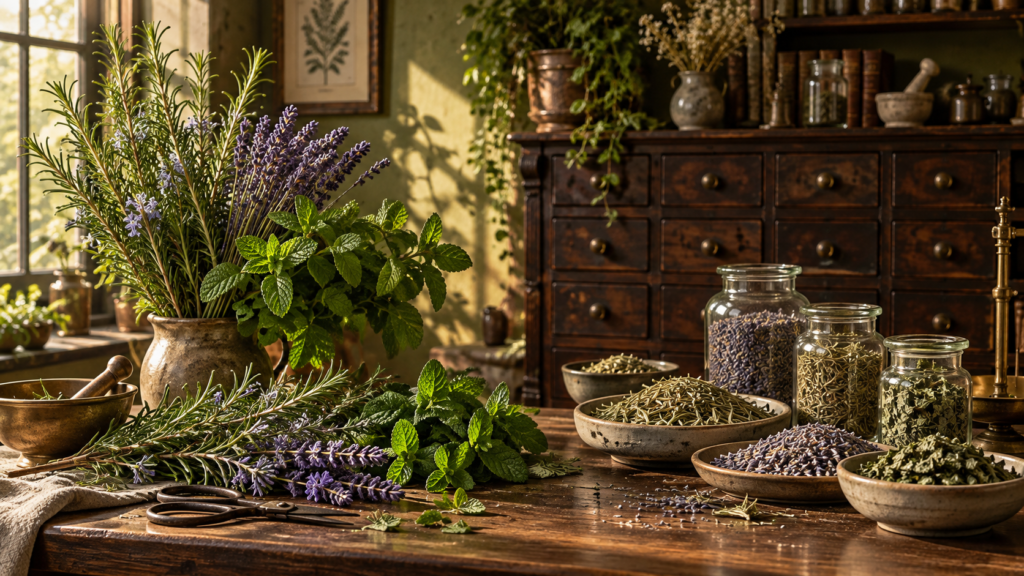
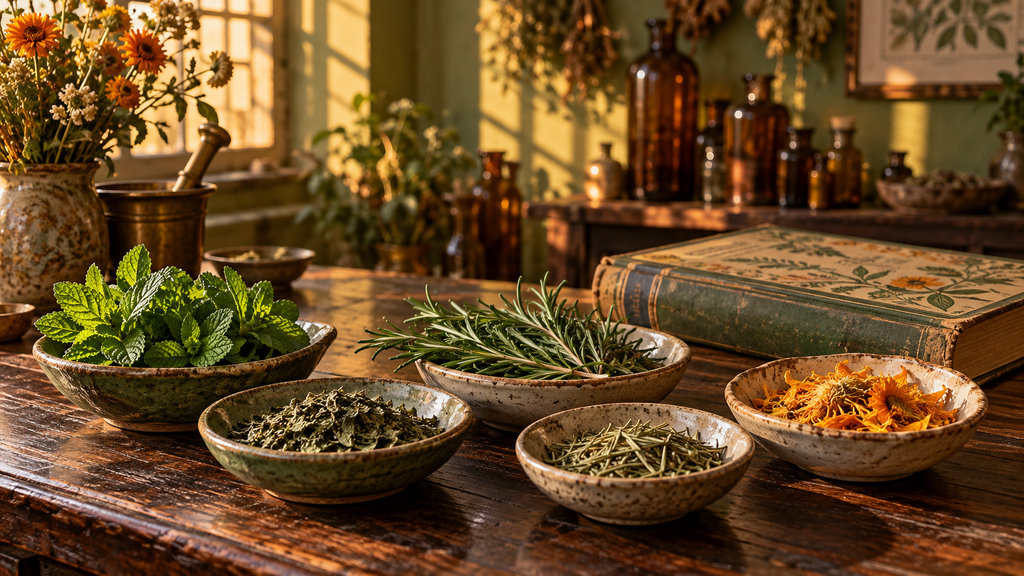
A fresh sprig of rosemary looks vibrant and full of life.
Its leaves are flexible, its color is rich, and its fragrance becomes noticeable when you gently handle it.
Now imagine that same rosemary after drying.
The leaves may feel more brittle. The color might become muted. Even the aroma can seem different.
Yet it’s still rosemary.
This transformation is one of the fascinating aspects of botanical ingredients.
In a traditional or modern apothecary, both fresh and dried plants have played important roles in herbal knowledge and everyday botanical practices.
Understanding what changes after harvesting can help us appreciate the ingredients behind natural wellness products without assuming that fresh or dried is always better.
What Happens When a Plant Begins to Dry?
Fresh plants naturally contain water.
After harvesting, that moisture gradually decreases when the plant is exposed to suitable drying conditions.
As water leaves the plant material, its physical characteristics begin to change.
Leaves may curl or shrink.
Stems can become firmer.
Flowers may lose some of their original volume.
Colors can shift from vibrant greens and purples toward softer, muted shades.
These changes are not necessarily signs of poor quality.
They are part of the drying process.
However, the way a botanical is dried and stored can influence its condition and suitability for its intended use.
Why Dried Botanicals Look So Different
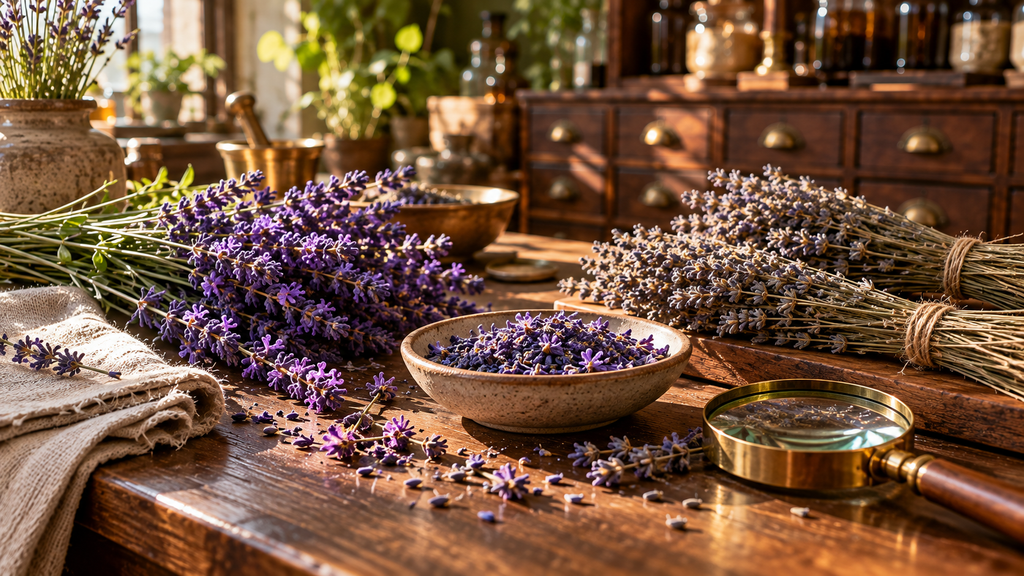
Think about a fresh lavender flower beside a dried one.
The fresh flower may appear fuller and more colorful.
The dried flower often looks smaller and more delicate.
That’s partly because drying removes water that contributes to the plant’s original structure.
Some botanical materials retain their shape reasonably well, while others become noticeably fragile.
The final appearance also depends on the plant species, harvesting conditions, drying method, and storage environment.
A dried botanical doesn’t need to resemble its fresh form perfectly.
What matters is whether the material has been appropriately prepared and remains suitable for its intended purpose.
Does Drying Change a Botanical’s Aroma?
It can.
Many plants contain aromatic compounds that contribute to their recognizable fragrances.
Some of these compounds are volatile, meaning they can evaporate under certain conditions.
During drying, the balance of aromatic compounds may change.
As a result, a dried herb may smell different from its fresh counterpart.
Sometimes the aroma becomes less noticeable.
In other cases, certain scent characteristics may become more apparent.
These differences depend on the botanical and the drying conditions.
A stronger fragrance doesn’t automatically indicate better quality or greater effectiveness.
Scent is only one characteristic of the material.
Fresh Doesn’t Always Mean Better
Fresh ingredients often attract attention because of their vibrant appearance.
But freshness alone doesn’t determine whether a botanical is appropriate for a particular preparation.
Some applications use fresh plant material.
Others rely on properly dried ingredients.
The preferred form depends on the botanical, the intended product, and the processing method.
Fresh plants contain moisture, which can create additional handling and preservation considerations.
Dried plant material may be more suitable for certain storage or formulation purposes when appropriately processed.
Neither form should be considered universally superior.
In an apothecary, the important question is whether the botanical is suitable for the intended use.
Why Moisture Matters During Storage
Moisture is an important consideration when storing dried botanicals.
Plant materials that have not been adequately dried or that absorb moisture during storage may become vulnerable to microbial growth.
This is one reason proper drying and storage conditions matter.
Dried herbs are generally best protected from unnecessary humidity, heat, and direct sunlight, with specific requirements depending on the material.
Containers should be clean, dry, and appropriate for their contents.
If dried botanicals develop visible mold, unusual dampness, or other signs of deterioration, they should not be used.
A traditional-looking jar doesn’t guarantee that its contents have been stored correctly.
Drying Is a Traditional Practice With Practical Reasons
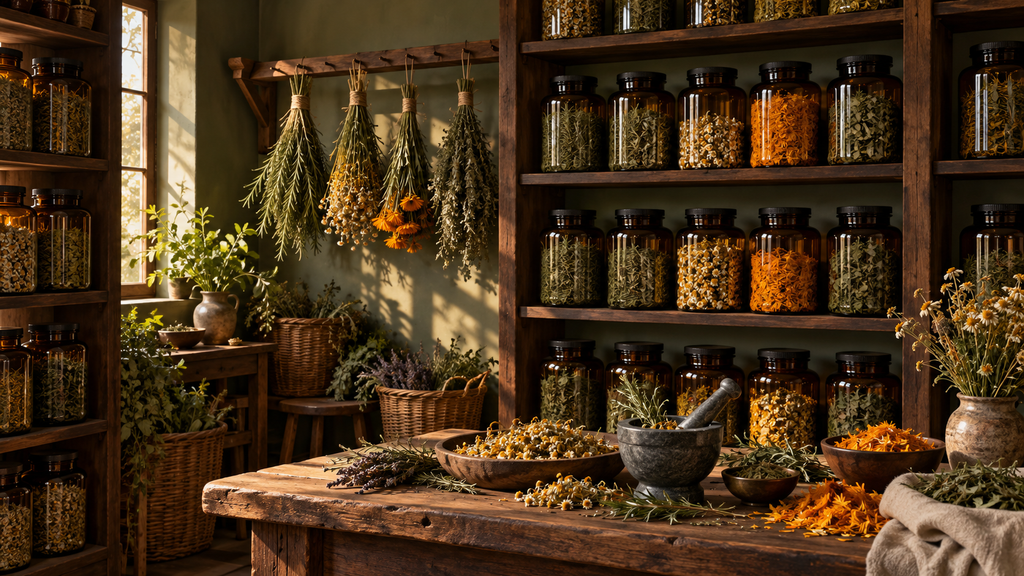
Long before modern packaging and refrigeration, people developed ways to preserve harvested plants for later use.
Drying became one of those methods.
Removing moisture can help reduce certain conditions that contribute to spoilage, provided the material is dried and stored appropriately.
Different communities developed botanical practices influenced by their environments, available plants, and cultural traditions.
Some traditions involved hanging herbs in bundles.
Others used shaded drying spaces or carefully arranged plant materials.
These practices are part of botanical history, although traditional methods don’t automatically meet modern safety or quality requirements.
Today, commercial botanical ingredients may undergo controlled drying and quality checks to support consistency.
Can Dried Botanicals Still Be Useful?
Yes, depending on the plant and intended application.
Drying doesn’t necessarily remove every constituent from botanical material.
Some compounds remain present after drying, although their amounts or characteristics may change.
Other constituents may be sensitive to heat, light, oxygen, or processing conditions.
This means dried botanicals cannot be evaluated simply by looking at them.
Their suitability depends on factors such as botanical identity, processing, storage, and intended use.
For personal-care formulations, the complete finished product matters more than whether an individual ingredient began as fresh or dried material.
How an Apothecary Evaluates Botanical Materials
A thoughtful approach to botanical ingredients involves more than recognizing a familiar herb.
Proper identification is essential.
Different plants can resemble one another, and some may be unsuitable or unsafe for particular uses.
Quality considerations may also include the condition of the harvested material, handling practices, drying conditions, and storage.
For commercial preparations, appropriate supplier documentation and testing may be necessary.
Consumers don’t need to perform these evaluations themselves.
However, understanding their importance can encourage more informed decisions when exploring botanical products.
When Appearance Can Be Misleading
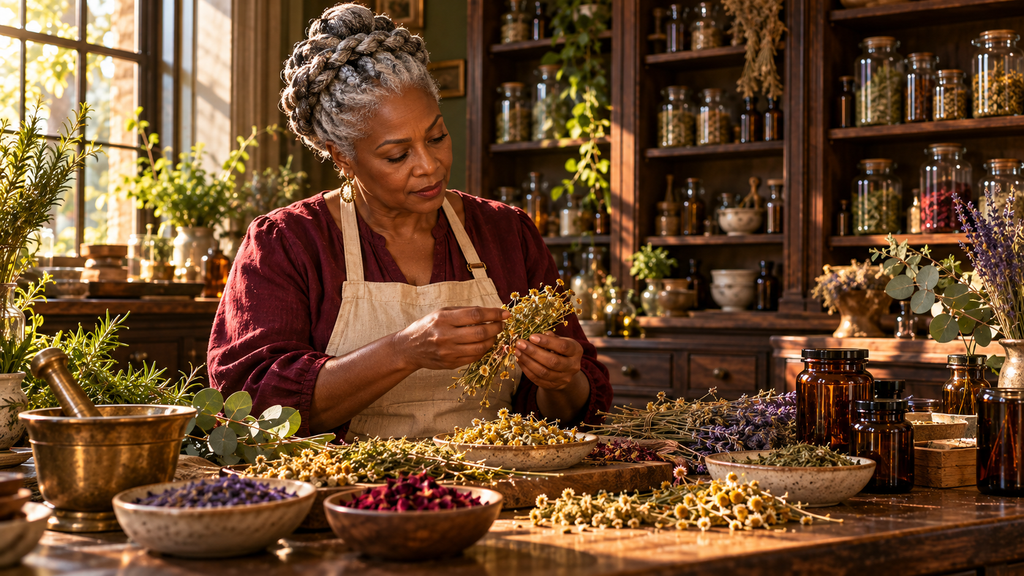
A dried herb may look attractive even when it has been stored improperly.
Likewise, a naturally muted color doesn’t necessarily mean the material is unusable.
Appearance alone cannot establish identity, purity, safety, or effectiveness.
Some quality concerns may not be visible.
That is why reputable sourcing, appropriate handling, and relevant quality controls are important.
If you’re purchasing botanical preparations, look for clear product information and directions.
Avoid assuming that an ingredient is safe simply because it looks natural or resembles something familiar.
Learning About Botanicals Without Making Your Own Products
You don’t need to prepare homemade herbal products to appreciate the differences between fresh and dried plants.
A simple educational activity is to observe familiar culinary herbs in both forms.
Compare their appearance.
Notice their texture.
Observe how their aromas differ.
Use only correctly identified, food-safe herbs for culinary activities, and follow appropriate food-handling guidance.
Avoid experimenting with unidentified plants or making concentrated preparations for medicinal or topical use without suitable expertise.
Botanical curiosity is most valuable when paired with responsible handling.
Key Takeaways
- Fresh plants contain moisture that decreases during drying.
- Drying can change a botanical’s color, texture, shape, and aroma.
- Different plants respond differently to drying conditions.
- Fresh ingredients are not automatically better than dried ones.
- Proper drying and storage help reduce certain spoilage risks.
- Dried botanicals may retain some constituents while losing or changing others.
- Botanical identity and intended use matter more than appearance alone.
- Traditional drying practices have historical value but don’t replace modern quality controls.
- Properly sourced and handled ingredients are important in botanical personal care.
Final Thoughts
The journey from fresh plant to dried botanical is more than a change in appearance.
It involves shifts in moisture, texture, fragrance, and sometimes chemical composition.
Understanding those differences helps us appreciate why botanical ingredients require thoughtful handling.
Whether you’re admiring fresh herbs in a garden or exploring dried botanicals in an apothecary, neither form tells the entire story on its own.
The real value lies in understanding the plant, its preparation, and its intended purpose.
Explore botanical wellness and traditional plant-based care with a deeper appreciation for the natural changes that shape everyday botanical ingredients.