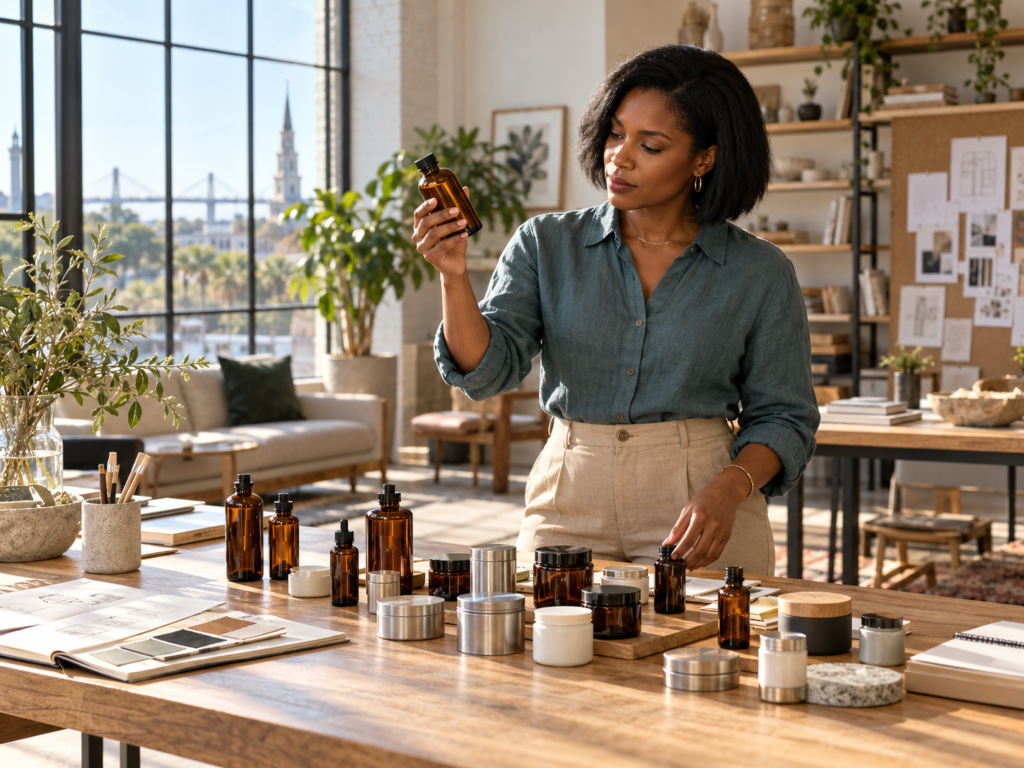
A beautiful glass jar can make a botanical product feel special.
An amber bottle might suggest something carefully prepared. A simple tin can remind you of traditional herbal preparations.
But packaging has a purpose beyond appearance.
The container holding a botanical preparation can influence how it is stored, handled, dispensed, and protected from its surroundings.
In a modern apotheca, thoughtful packaging is part of responsible botanical personal care. It helps connect the finished formulation with the way people actually use it.
Understanding packaging doesn’t require technical knowledge.
You simply need to look beyond the design and consider what the container is meant to do.
A Container Has More Than One Job
We often judge packaging by how attractive it looks.
But a container may need to perform several functions.
It should hold the product securely, be compatible with the formulation, and help protect its contents during normal storage and use.
Depending on the product, packaging may also help limit exposure to light, air, moisture, or contamination.
Different preparations have different requirements.
A thick balm may be packaged differently from a liquid botanical preparation because the two products are handled and dispensed differently.
The most appropriate container depends on the finished formulation, not simply its botanical ingredients.
Why Some Botanical Products Come in Dark Bottles
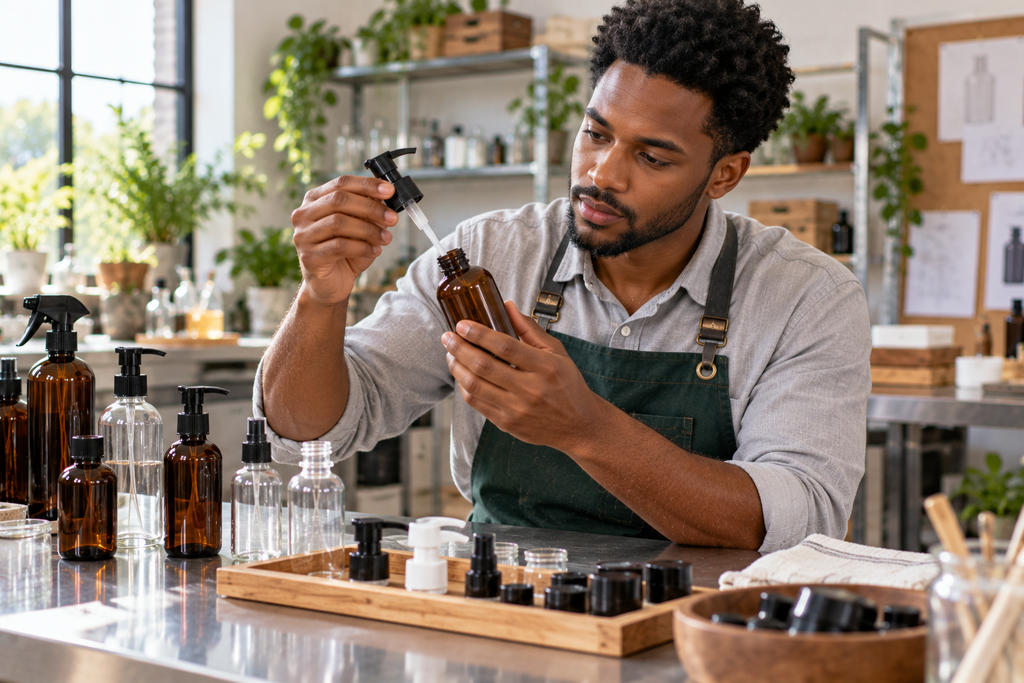
You’ve probably seen amber or dark-colored bottles used for botanical preparations.
There is a practical reason certain manufacturers choose them.
Some ingredients are sensitive to light, and suitable packaging can help reduce exposure to particular wavelengths.
However, a dark bottle doesn’t automatically guarantee that a product is protected from every environmental condition.
The effectiveness of light protection depends on the packaging material, its properties, and the formulation inside.
A product in an amber bottle may still require storage away from direct sunlight.
That’s why storage directions remain important, regardless of how protective the container appears.
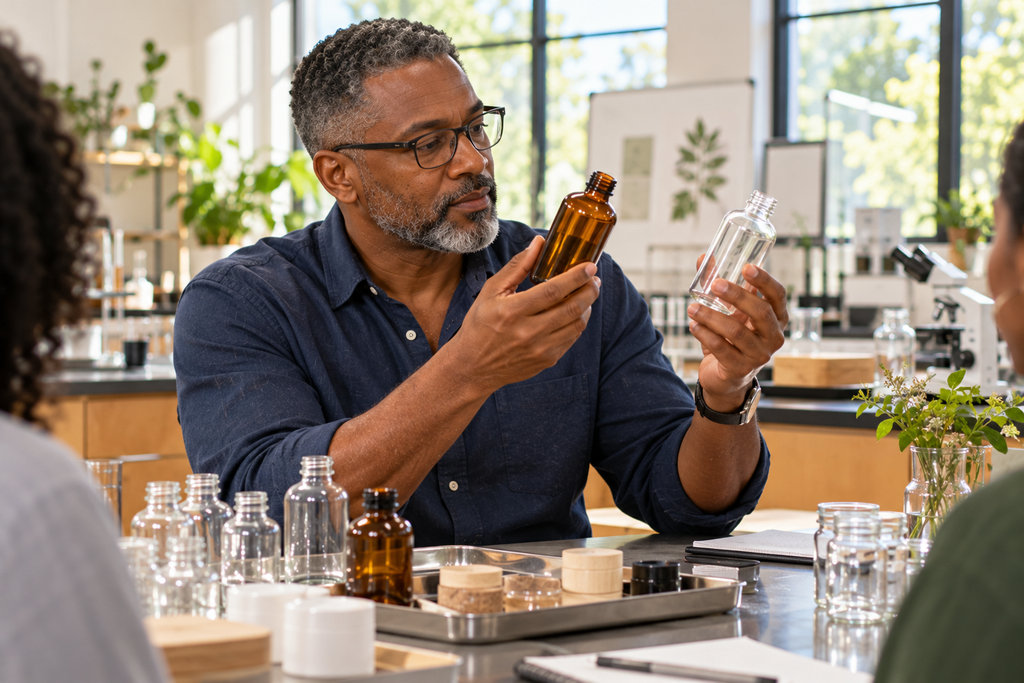
Jars and Bottles Offer Different Experiences
Imagine trying to scoop a thick balm from a narrow-necked bottle.
Now imagine pouring a lightweight liquid from a wide, shallow jar.
Neither arrangement sounds particularly convenient.
Packaging often reflects how a product is intended to be used.
Jars can provide access to thicker preparations.
Bottles may be practical for liquids.
Pumps and other dispensing systems can help deliver measured amounts or reduce direct contact with the remaining contents, depending on their design.
An apotheca product should have packaging that makes sense for its intended use.
The most attractive container isn’t necessarily the most practical one.
What Happens Every Time You Open a Product?
Everyday handling is another part of packaging performance.
When you open a jar, the contents may be exposed to air and contact during use.
With certain dispensing systems, the remaining product may have less direct contact with fingers or the surrounding environment.
But packaging alone doesn’t establish whether a product is hygienic or adequately preserved.
Manufacturing controls, formulation, preservation where needed, and appropriate consumer handling all matter.
For products packaged in jars, follow the manufacturer’s instructions and use clean, dry hands or a suitable clean applicator when appropriate.
Avoid introducing water or other substances into the container.
Small handling habits can help reduce avoidable contamination.
Glass, Plastic, and Metal Aren’t Automatically Better or Worse
Natural wellness shoppers sometimes have strong preferences about packaging materials.
Glass may feel traditional.
Metal tins may look simple and familiar.
Plastic containers can be lightweight and convenient.
Each material has potential advantages and limitations.
Glass can break.
Some plastics may not be compatible with certain formulations.
Metal containers may require protective coatings or other design considerations.
The important question isn’t whether one material appears more natural.
It’s whether the selected packaging is suitable for the actual product.
Manufacturers should evaluate compatibility rather than relying on appearance alone.
Packaging Can Affect How Easily You Use a Product
Think about your everyday routine.
Do you prefer a container that opens quickly?
Is the product easy to dispense?
Can you close it securely?
Does the packaging help you use the intended amount?
These details may seem small, but they influence the overall experience.
A container that’s difficult to open or awkward to handle may make a product less convenient.
Likewise, packaging that encourages unnecessary dispensing can lead to waste.
Thoughtful botanical personal care considers the relationship between the product and the person using it.
Convenience matters, provided it doesn’t compromise safety or appropriate storage.
The Label Is Part of the Packaging
A container also provides space for important product information.
Depending on the product and applicable regulations, labels may include ingredient information, directions, warnings, net quantity, and manufacturer or distributor details.
This information can help people understand what they’re using.
A decorative label should never be treated as a substitute for clear product information.
When exploring botanical products, take a moment to read the directions and precautions.
Even familiar plant-based ingredients may be unsuitable for certain individuals or uses.
A well-presented product should support informed decisions, not simply look appealing on a shelf.
Beautiful Packaging Doesn’t Prove Product Quality
It’s easy to associate attractive packaging with a carefully made product.
A heavy glass jar might seem luxurious.
A minimalist label might suggest simplicity.
A traditional-looking bottle may evoke herbal expertise.
But appearance cannot establish formulation quality, safety, or effectiveness.
A beautiful container can hold a poorly formulated product.
A modest-looking container can hold a preparation that meets appropriate quality standards.
Instead of relying on design, consider the product’s intended purpose, ingredient information, directions, and manufacturer transparency.
Packaging is one part of the picture.
It isn’t proof of everything inside.
Sustainability Requires More Than a Recyclable Symbol
Packaging also raises environmental questions.
Reusable containers and recyclable materials may sound like straightforward choices.
However, environmental impact depends on factors such as material production, transportation, disposal systems, and actual reuse or recycling practices.
A recyclable container doesn’t necessarily get recycled in every community.
Likewise, a heavier material isn’t automatically the most environmentally responsible option.
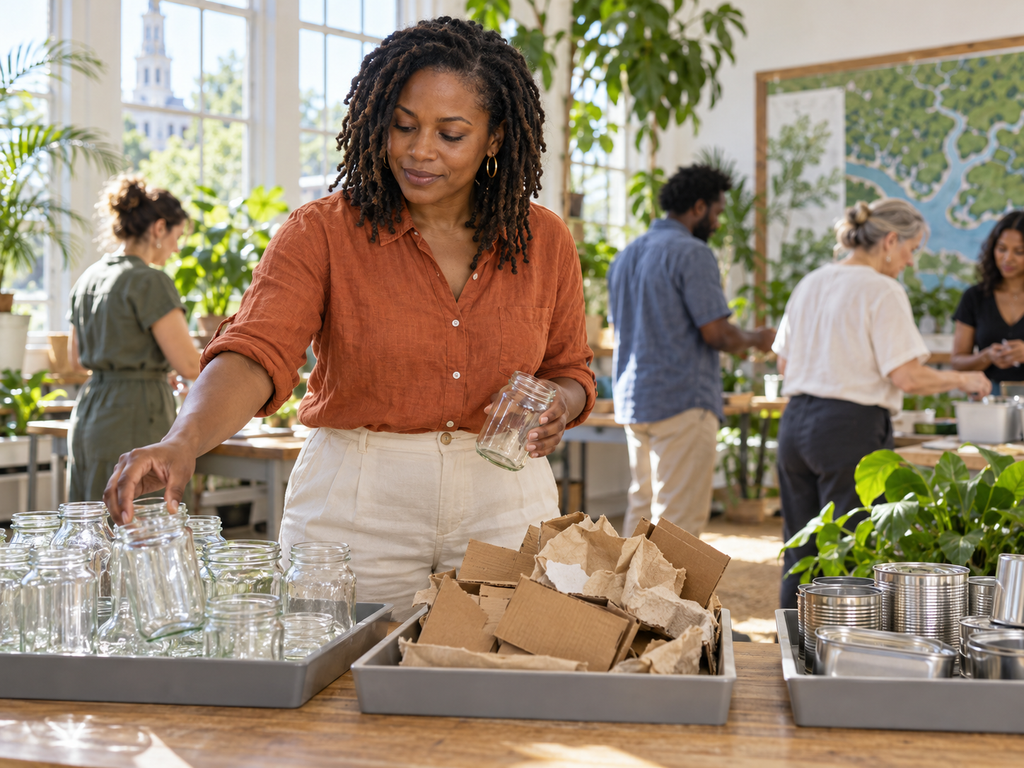
Practical sustainability may include choosing products you’ll use, following local recycling guidance, and avoiding unnecessary purchases.
Never refill or reuse a cosmetic container in a way that creates hygiene or product-safety concerns.
Five Things to Check Before Choosing a Botanical Product
The next time you encounter an unfamiliar preparation, take a closer look at its packaging.
1. Container suitability: Does the packaging seem appropriate for the product’s consistency and intended use?
2. Closure: Can it be opened and securely closed without difficulty?
3. Product information: Are the ingredients, directions, and precautions available?
4. Storage requirements: Does the manufacturer explain how the product should be stored?
5. Everyday practicality: Will the packaging work comfortably within your routine?
These questions won’t replace formal product testing or professional evaluation.
They can, however, help you make more thoughtful purchasing decisions.
Key Takeaways
- Botanical packaging serves practical purposes beyond appearance.
- Different formulations may require different container designs.
- Dark bottles can reduce certain types of light exposure but don’t replace proper storage.
- Jars, bottles, pumps, and tins offer different dispensing experiences.
- Clean handling helps reduce avoidable contamination.
- Packaging materials should be compatible with their contents.
- Product labels provide important information for appropriate use.
- Attractive packaging doesn’t prove quality or effectiveness.
- Environmental claims deserve careful consideration.
- The most useful container is one that appropriately protects and supports the product.
Final Thoughts
The next time you pick up a botanical product, pay attention to the container before focusing on its appearance.
Consider how it opens, how it protects the contents, and whether it supports the way the preparation is meant to be used.
A thoughtful approach to natural wellness recognizes that packaging is part of the product experience.
The jar or bottle may be the first thing you notice, but what matters is how well it serves the preparation inside.
Explore botanical wellness and plant-based personal care with greater appreciation for the details that connect thoughtful formulation with everyday use.