
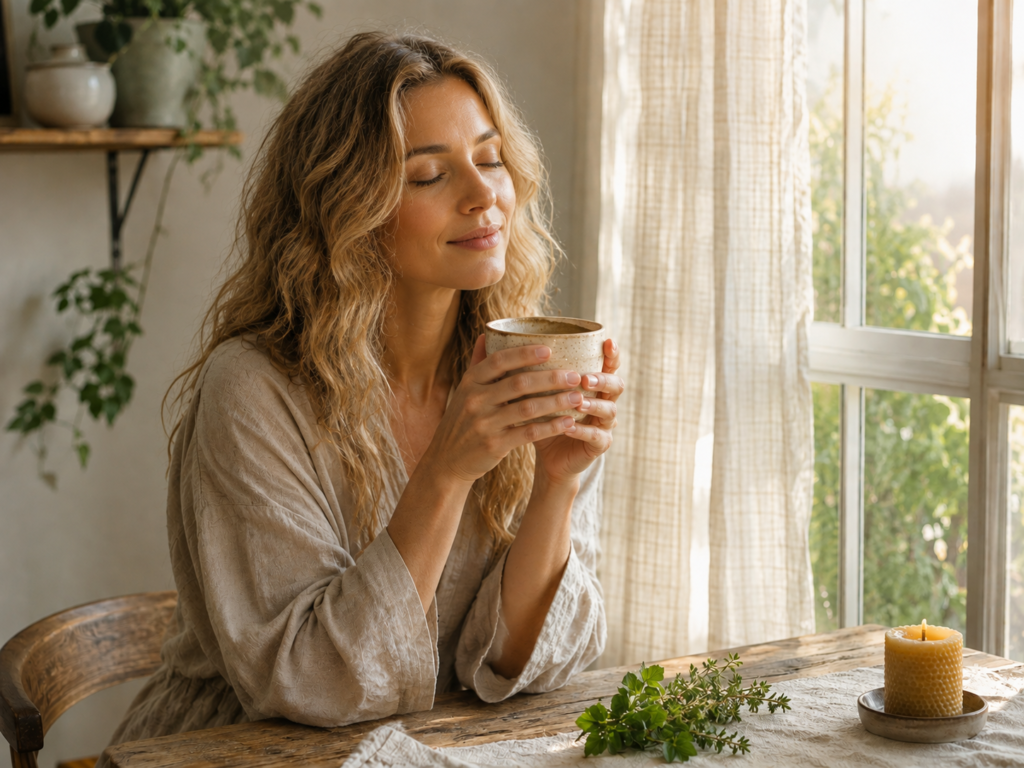
In the rush of daily life, self-care often gets reduced to another item on a never-ending list. We schedule workouts, meal prep, or skincare steps the same way we schedule meetings—efficiently, sometimes rigidly. Yet many of us still feel depleted. What if the missing piece is not more discipline, but a softer quality of attention?
Turning routine into ritual offers a gentler path. Rituals are not about perfection or performance. They are about presence. They invite us to meet ourselves with care rather than obligation. In the world of natural wellness and botanical self-care, this shift can feel especially meaningful. It reconnects us to the simple, sensory acts that have long supported human well-being: the warmth of a cup held in both hands, the scent of herbs, the quiet moment of applying something nourishing to the skin.

The Difference Between Routine and Ritual
A routine is a sequence of actions performed to get something done. Brush teeth. Make coffee. Moisturize. These habits keep life running. A ritual takes the same actions and adds intention and awareness.
The difference is subtle yet powerful. When you wash your face on autopilot while mentally reviewing your to-do list, it remains a task. When you pause, notice the temperature of the water, and breathe as you cleanse, the same act becomes a small return to yourself. Research on mindfulness practices suggests that bringing gentle attention to everyday activities may help reduce feelings of stress and increase a sense of calm. Ritual does not require extra time so much as a different quality of presence.
A common misconception is that rituals must be elaborate or spiritual in a formal sense. They do not. Lighting a candle before journaling, taking three slow breaths before opening your laptop, or massaging a botanical balm into dry skin while offering yourself a kind thought—all of these can become rituals when approached with care.
Why a Softer Approach Matters
Rigid self-care routines can sometimes create pressure. Miss a day and the whole system feels broken. Rituals, by contrast, are more forgiving. They adapt to the season of life you are in. On a busy morning, a ritual might be simply standing at the window with a glass of water and feeling your feet on the floor for thirty seconds. On a quieter evening, it might expand into a longer bath with herbs or a slow application of a nourishing balm.
This flexibility supports sustainability. Sustainable wellness is rarely about dramatic overhauls. It grows from small, repeated gestures that feel doable and kind. Many traditional herbal and botanical practices around the world have always carried this quality—preparing teas, infusing oils, or tending the skin with plant-based preparations as acts of both practical care and quiet connection.
Practical Ways to Begin Turning Routine into Ritual
You do not need to redesign your entire day. Start with one existing habit and soften it.
- Morning hydration. Instead of gulping water while checking your phone, pour it slowly. Hold the glass with both hands for a moment. Notice the coolness. Offer a simple intention: “I begin this day with care.”
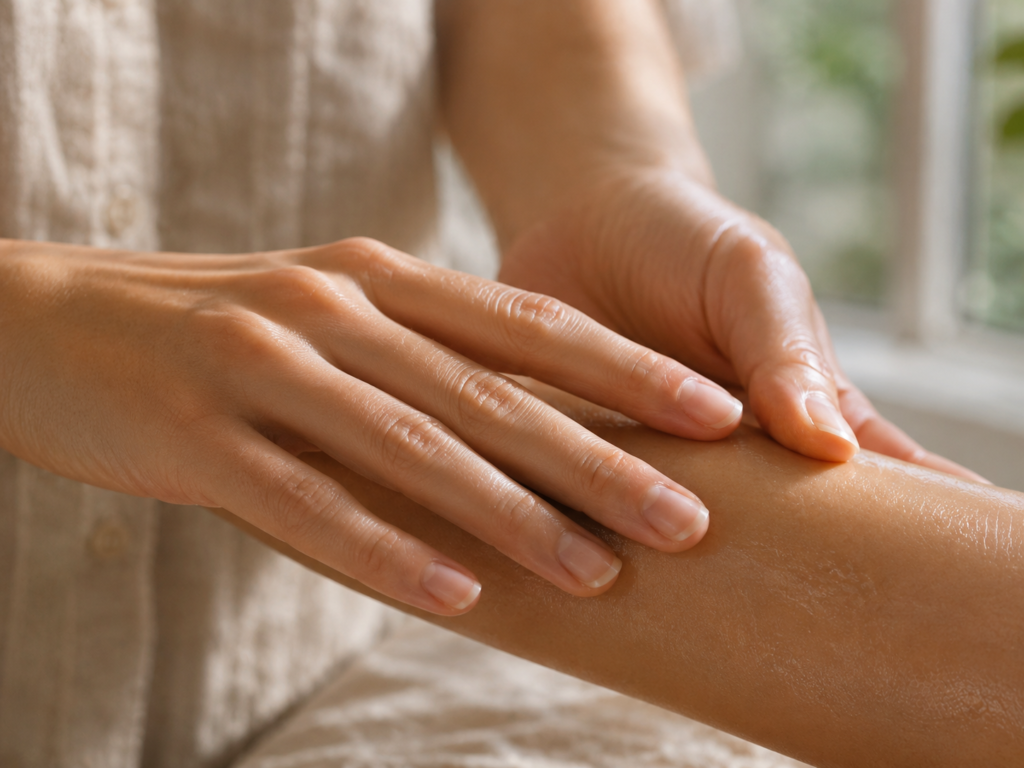
- Skin and body care. When applying a natural oil or balm, slow down. Feel the texture under your palms. Notice areas that feel dry or tense. This small act of touch can become a daily check-in with your body rather than another step to complete.
- Transitions. Create micro-rituals between activities. After work, before entering the rest of the evening, wash your hands with intention or step outside for three breaths of fresh air. These brief pauses help the nervous system shift gears.
- Evening wind-down. Dim the lights a little earlier. Prepare a simple herbal infusion if that feels supportive. Sit for a few minutes without a screen. The goal is not perfection; it is the gentle signal that the day is closing and you are allowed to rest.
Everyday examples abound. Making tea can stay a caffeine delivery system or become a short ceremony of warmth and aroma. Applying balm to dry elbows or cuticles can remain a quick fix or transform into a moment of tactile kindness.
Common Misconceptions and Gentle Clarifications
One frequent misunderstanding is that ritual requires a lot of time or special tools. In truth, the most sustainable rituals often use what is already present—water, breath, hands, a favorite mug, a simple botanical preparation.
Another is the idea that self-care must always feel luxurious or Instagram-worthy. Real ritual is often quiet and ordinary. It is the decision to meet yourself with patience on an ordinary Tuesday.
It is also important to remember that natural wellness practices, including the use of herbs and botanical preparations traditionally valued for supporting comfort and skin vitality, complement—not replace—professional medical advice. If you have health concerns, consult a qualified healthcare provider.
Key Takeaways
- Rituals add intention and presence to ordinary actions.
- They tend to be more flexible and sustainable than rigid routines.
- Small sensory anchors—touch, scent, temperature, breath—help shift a habit into a ritual.
- Start with one existing routine and soften it rather than adding more to your plate.
- Consistency with kindness usually supports well-being more than occasional intensity.
Final Thoughts
Caring for yourself does not have to be another demand. It can be a series of small, repeated invitations back to presence. Choosing ritual over rigid routine is an act of softness in a culture that often prizes hardness. Begin where you are. Notice one ordinary moment today and meet it with a little more attention and care. Over time, these gentle gestures accumulate. They become a quieter, more trustworthy way of living in relationship with yourself—one breath, one touch, one intentional pause at a time. Natural wellness is most powerful when it supports the whole of who you are. May your days hold space for both the necessary and the nourishing.