Why Botanical Wellness Products Are So Popular
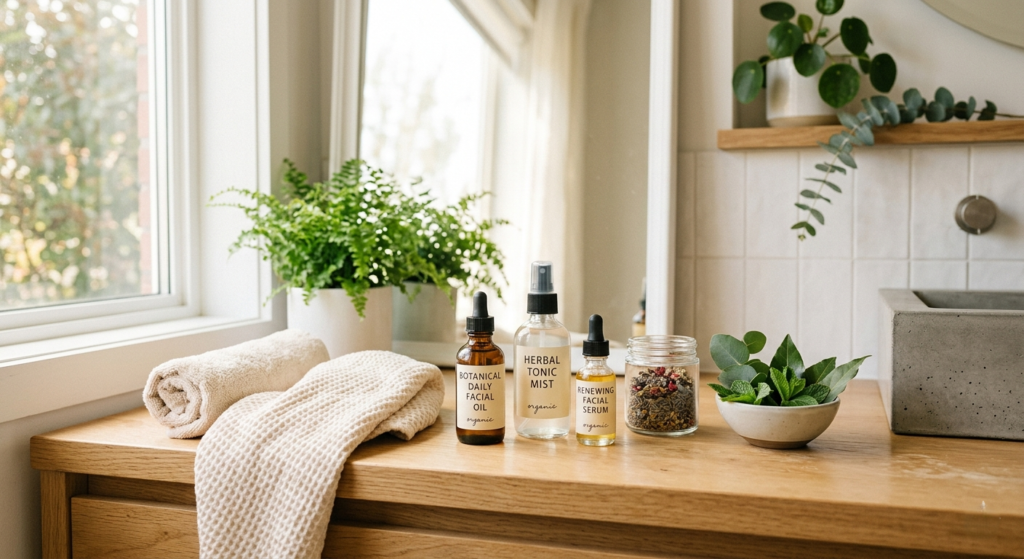
Botanical wellness products appeal to people who want daily rituals that feel nourishing and connected to nature. A chamomile facial mist can make a nighttime skincare routine feel calmer. A rosemary scalp oil may turn hair care into a weekly self-care moment. A eucalyptus bath soak can help create a spa-like experience at home.
Many botanical ingredients are also versatile. Aloe vera is commonly used in soothing skincare products. Oat, calendula, and chamomile are popular in products designed for sensitive-feeling skin. Peppermint, citrus, and lavender are often used in aromatherapy-inspired body care.
The key is to choose products based on safety, transparency, and suitability rather than trends alone.
Start With the Ingredient List
The ingredient list is one of the most useful tools for choosing safe botanical wellness products. Instead of relying only on front-label phrases like “clean,” “green,” “plant-powered,” or “chemical-free,” turn the product around and read what is actually inside.
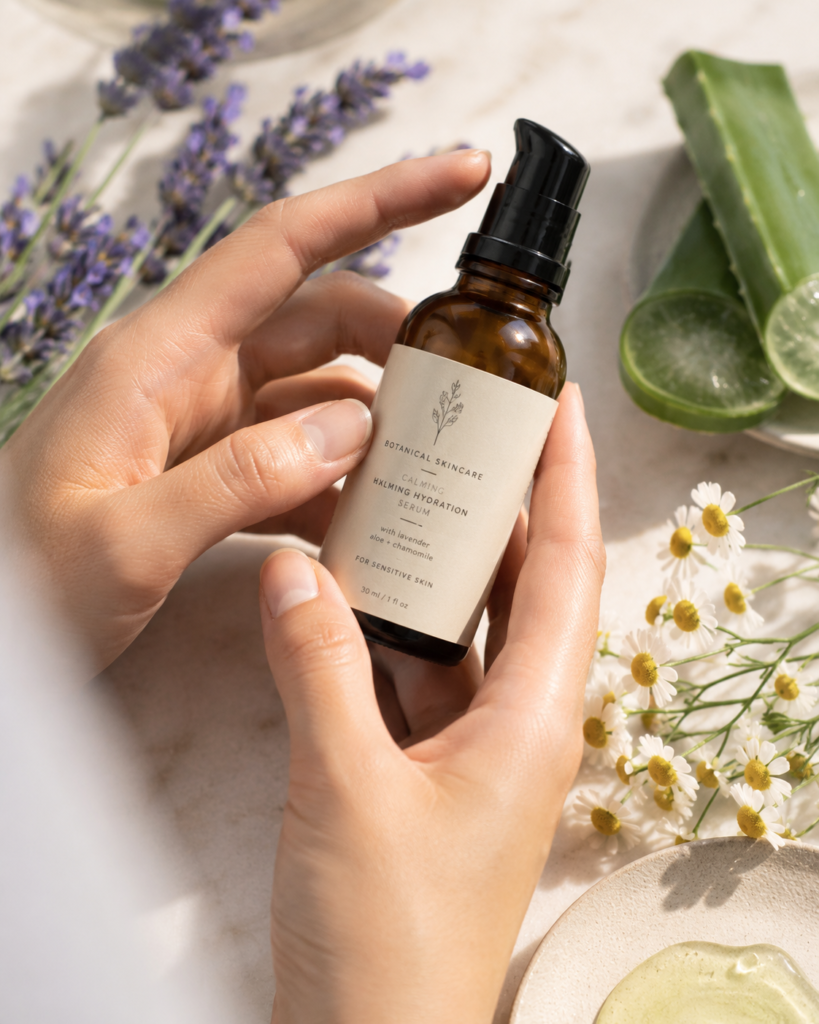
Look for clear ingredient names, especially if you have sensitive skin or allergies. In skincare, botanical extracts may appear by their Latin plant names, common names, or both. For example, aloe may be listed as Aloe barbadensis leaf juice. Essential oils may be listed individually, such as lavender oil, tea tree oil, or peppermint oil.
Be cautious with very long ingredient lists if you are new to botanical products. More ingredients can mean more potential triggers. A simple balm with a few recognizable components may be easier to evaluate than a complex formula with multiple plant extracts, fragrances, and essential oils.
Understand That “Natural” Can Still Be Potent
One of the biggest beginner mistakes is assuming that botanical ingredients are always mild. Some plant-based ingredients are powerful. Essential oils, for example, are highly concentrated and may irritate skin if used improperly. Herbal supplements may interact with medications, and some botanicals may not be appropriate during pregnancy, breastfeeding, or certain health conditions. NCCIH specifically highlights herb-drug interactions as an important safety concern.
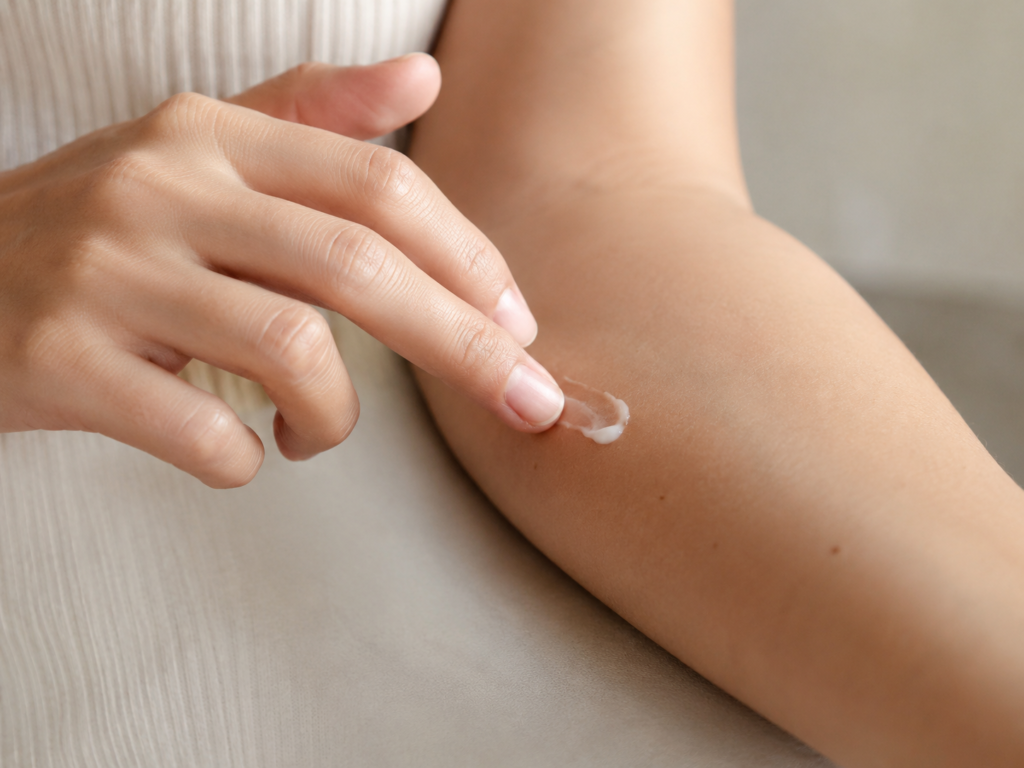
For topical products, patch testing is a smart habit. Apply a small amount to a discreet area, such as the inner arm, and wait before using it more broadly. This is especially helpful with facial oils, exfoliating masks, deodorants, and products containing essential oils.
Look for Quality and Testing Clues
Safe botanical wellness products should come from brands that care about quality control. In the United States, dietary supplement manufacturers are subject to current Good Manufacturing Practice rules designed to support identity, purity, strength, composition, and limits on contaminants.
For consumers, the practical takeaway is simple: choose brands that are transparent. Look for details such as batch numbers, expiration dates, sourcing information, allergen statements, and clear directions for use. For supplements, third-party testing from reputable organizations can offer added confidence that a product has been evaluated for quality or label accuracy, though it does not guarantee that the product is right for every person.
Skincare and body care shoppers can also look for packaging that protects delicate botanical ingredients. Dark glass bottles, airless pumps, and tightly sealed containers can help reduce exposure to light, air, and contamination.
Choose Products That Match Your Everyday Routine
A safe product is not just about what is inside the bottle. It is also about how you plan to use it. Before buying, ask yourself where the product fits into your routine.
For skincare, beginners may want to start with one botanical product at a time. Try a gentle cleanser, facial oil, toner, or moisturizer before adding multiple new products. This makes it easier to notice what your skin likes and what it does not.
For body care, botanical lotions, bath oils, and hand creams can be easy everyday choices. For home wellness, herbal room sprays, bath soaks, and aromatherapy rollers may help create a calming environment. For ingestible botanical products, such as teas, tinctures, or capsules, it is wise to check with a qualified healthcare professional, especially if you take medication or manage a health condition.
Watch Out for Red Flags
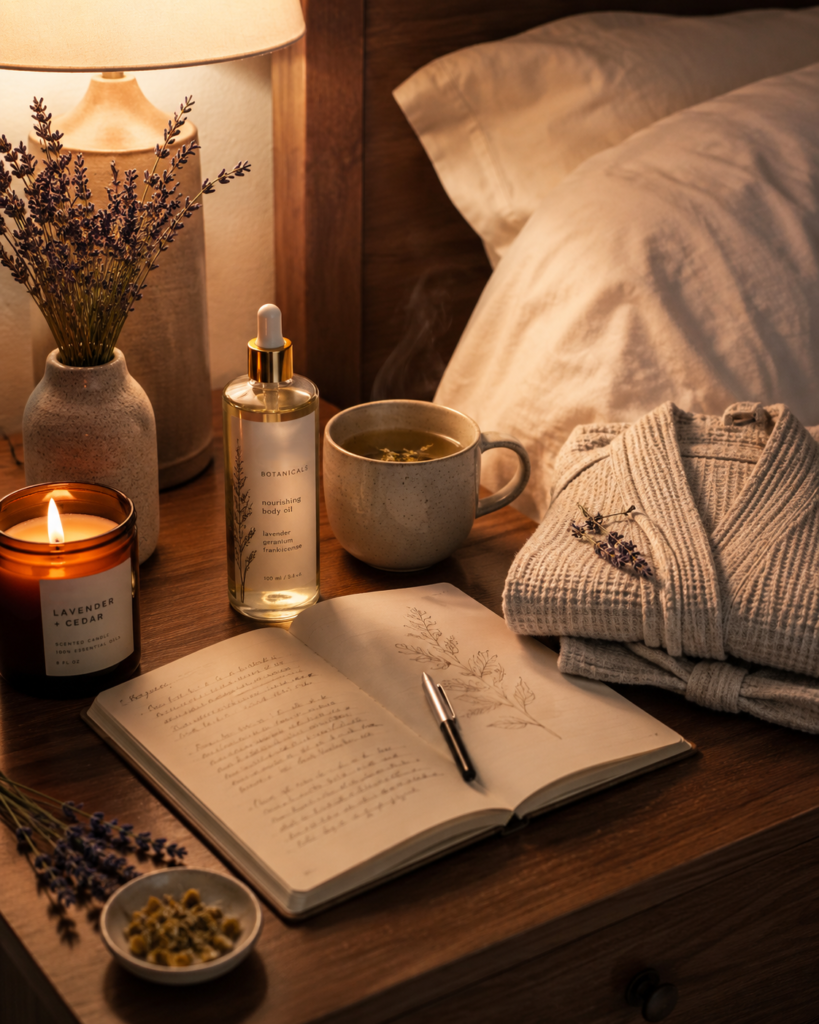
Some marketing language should make you pause. Be careful with products that promise to cure, treat, or prevent serious conditions. In the U.S., products marketed as dietary supplements are regulated differently from drugs, and disease-treatment claims can raise regulatory concerns. FDA consumer resources recommend learning about supplement products, ingredients, warnings, and how to report problems.
Other red flags include missing ingredient lists, no company contact information, vague “proprietary blends,” unrealistic before-and-after claims, or pressure to buy quickly. Products sold through social media can be appealing, but a beautiful feed is not the same as transparent formulation, testing, and responsible labeling.
Consider Your Skin Type, Lifestyle, and Sensitivities
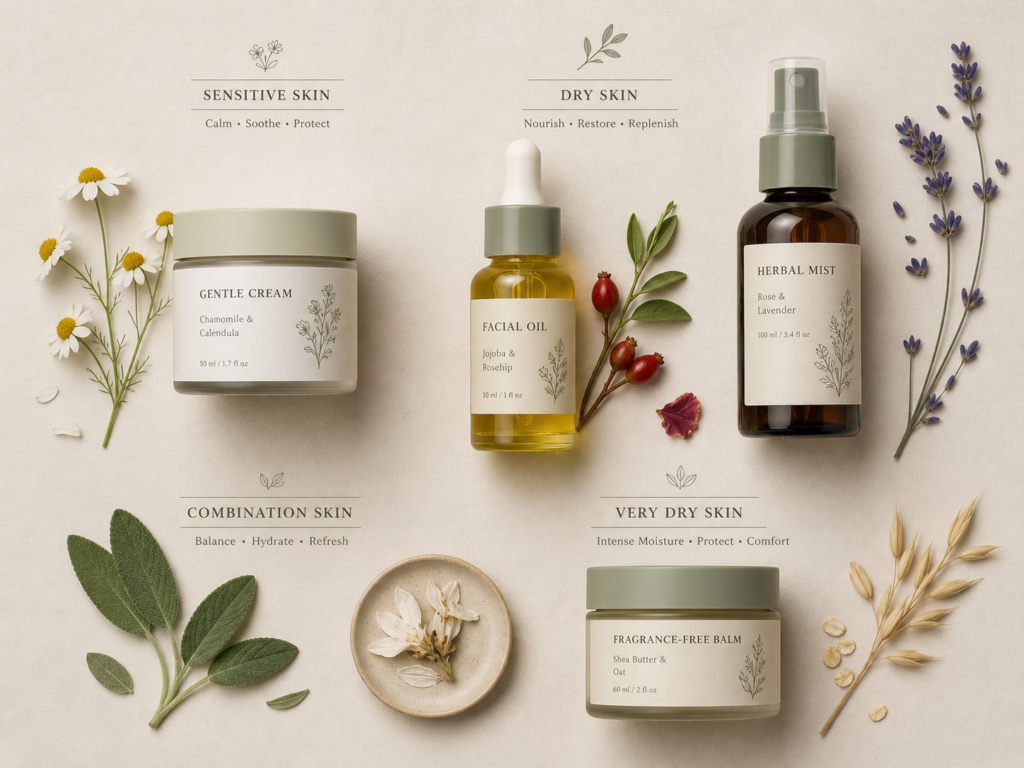
The best botanical wellness product for one person may be wrong for another. If your skin is dry, you may enjoy richer oils or balms with ingredients such as jojoba, shea butter, or calendula. If your skin is oily or acne-prone, lighter textures may feel more comfortable. If you are fragrance-sensitive, choose fragrance-free formulas rather than products scented with multiple essential oils.
Lifestyle matters too. A busy beginner may prefer a simple multipurpose balm. Someone who enjoys rituals may love a layered routine with a mist, serum, and facial oil. Parents, pregnant users, and people with medical conditions should be extra cautious with concentrated botanicals and supplements.
How to Build a Beginner-Friendly Botanical Routine
Start small. Choose one product with a clear purpose, such as a soothing moisturizer, calming bath soak, or gentle herbal tea. Read the label, follow the directions, and avoid combining too many new products at once.
A simple beginner routine might include a gentle botanical cleanser in the morning, a moisturizer with aloe or oat, and a relaxing lavender or chamomile body product at night. For weekly use, you might add a botanical mask, scalp oil, or bath soak.
Keep notes if your skin is reactive. Track the product name, ingredients, date used, and any reaction. This helps you identify patterns and make better choices over time.
Choose Calm, Clear, and Credible
Botanical wellness products can add comfort, beauty, and intention to everyday life. The safest choices are not always the trendiest or most expensive. They are the products with clear labels, thoughtful formulations, realistic claims, and a good fit for your body, skin, and lifestyle.
When in doubt, choose simplicity. Read carefully, patch test topical products, research brands, and ask a healthcare professional before using ingestible botanicals if you have medications, allergies, or health concerns. With a little knowledge, botanical wellness can become a safe and enjoyable part of your daily self-care routine.