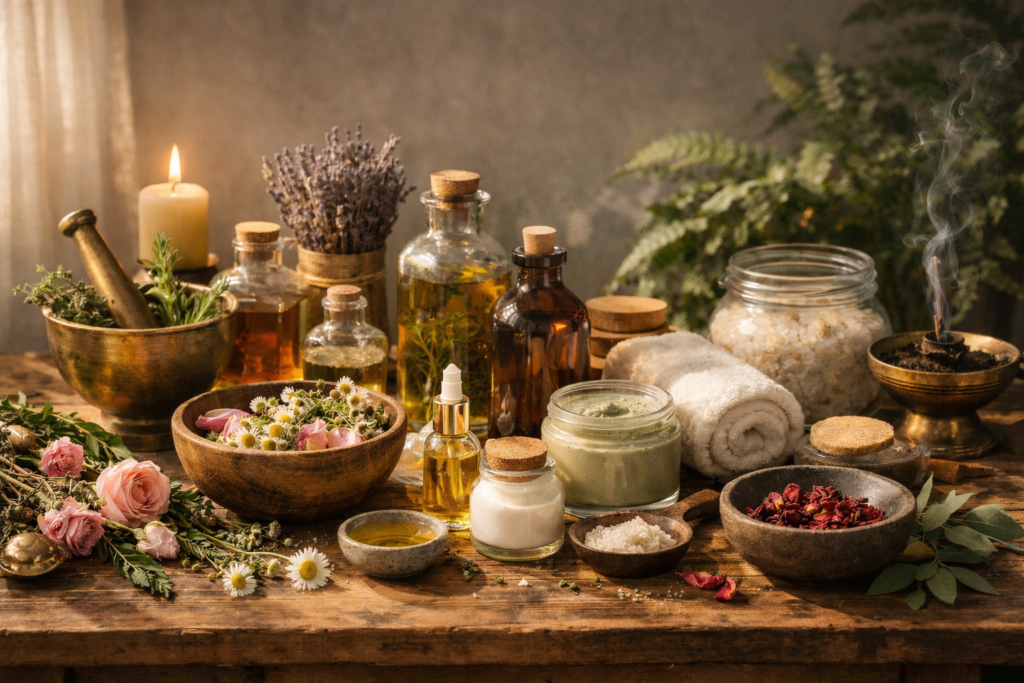
Modern self-care is everywhere. It shows up in morning routines, skincare shelves, wellness apps, supplements, and endless advice about how to feel better, look better, and live better. But for all its popularity, modern self-care can sometimes feel rushed, commercialized, and disconnected from the deeper meaning of care itself. That is why botanical rituals still matter. They remind us that self-care is not just about products or trends. It is about presence, rhythm, and the healing relationship between people and plants.
Botanical Rituals Connect Self-care to Something Older
Long before self-care became a marketing phrase, people turned to herbs, roots, oils, flowers, and plant infusions as part of everyday well-being. Across cultures, botanical rituals were woven into bathing, anointing, steaming, tea-making, body care, and rest. These practices were not always separate from daily life. They were part of it.
That history still matters today because it gives self-care depth. A botanical ritual is not just applying a balm or steeping herbs in hot water. It is participating in a tradition of mindful care that has been passed from one generation to another. Even in a modern setting, that simple act can feel grounding. It creates a sense of continuity in a world that often feels fragmented and fast.
Plants Invite Us to Slow Down
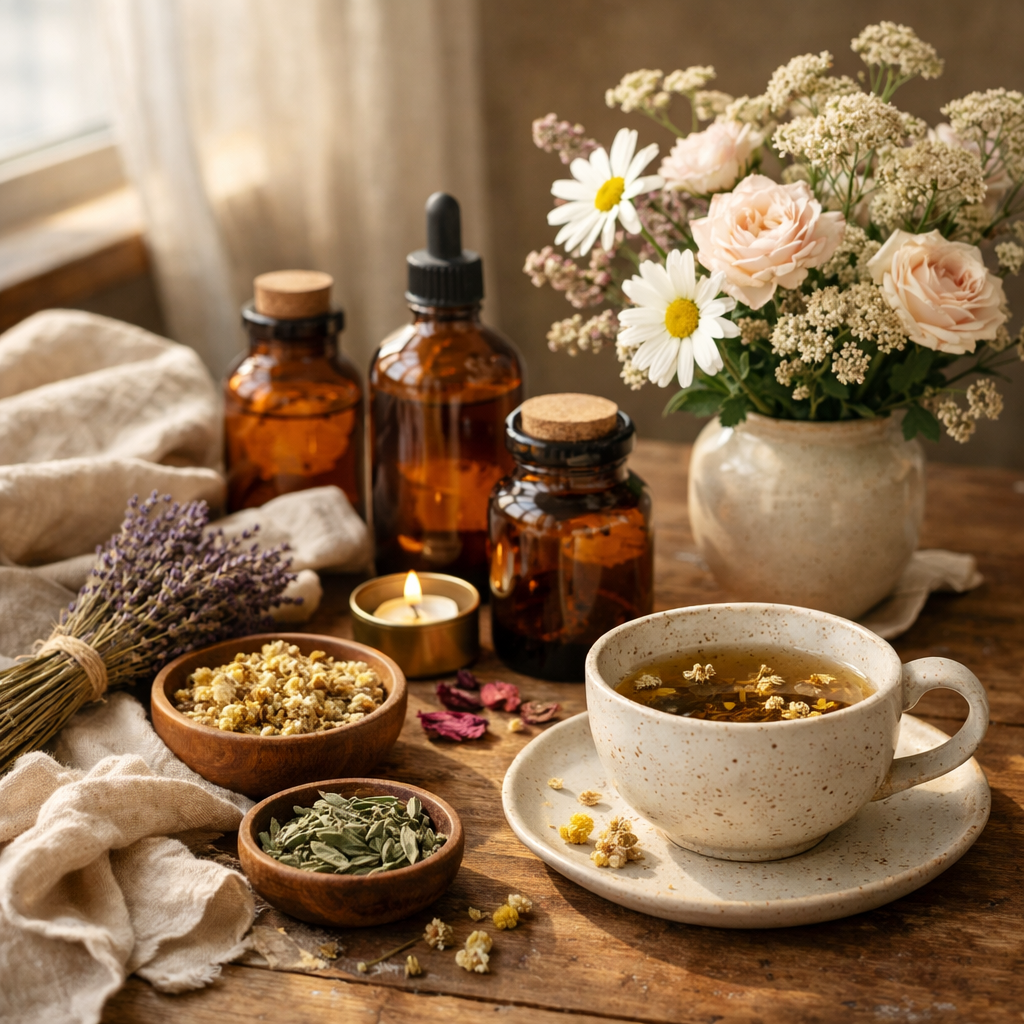
One of the biggest reasons botanical rituals remain powerful is that they naturally slow us down. Plants do not operate on the timeline of modern urgency. They grow in seasons, release their aromas gently, and ask us to notice texture, scent, warmth, and touch. When we use botanical oils, herbal teas, floral waters, or plant-based body care, we engage the senses in a way that encourages us to be present.
This is especially important in modern self-care, where routines can easily become performative. A ten-step process means very little if it is done in a state of stress and distraction. Botanical rituals shift the focus from doing more to experiencing more. Massaging oil into the skin, inhaling the scent of lavender or eucalyptus, or preparing an herbal soak can become a quiet signal to the body that it is safe to rest.
In that way, botanical rituals are not only about what plants do for us physically. They are also about what they help us remember emotionally: that care does not have to be rushed to be effective.
Ritual Makes Self-care More Meaningful
Modern life is filled with habits, but not all habits feel meaningful. Ritual is different. A ritual carries intention. It turns an ordinary action into something that feels restorative and even sacred. Botanical rituals do this beautifully because they combine natural elements with repeated acts of care.
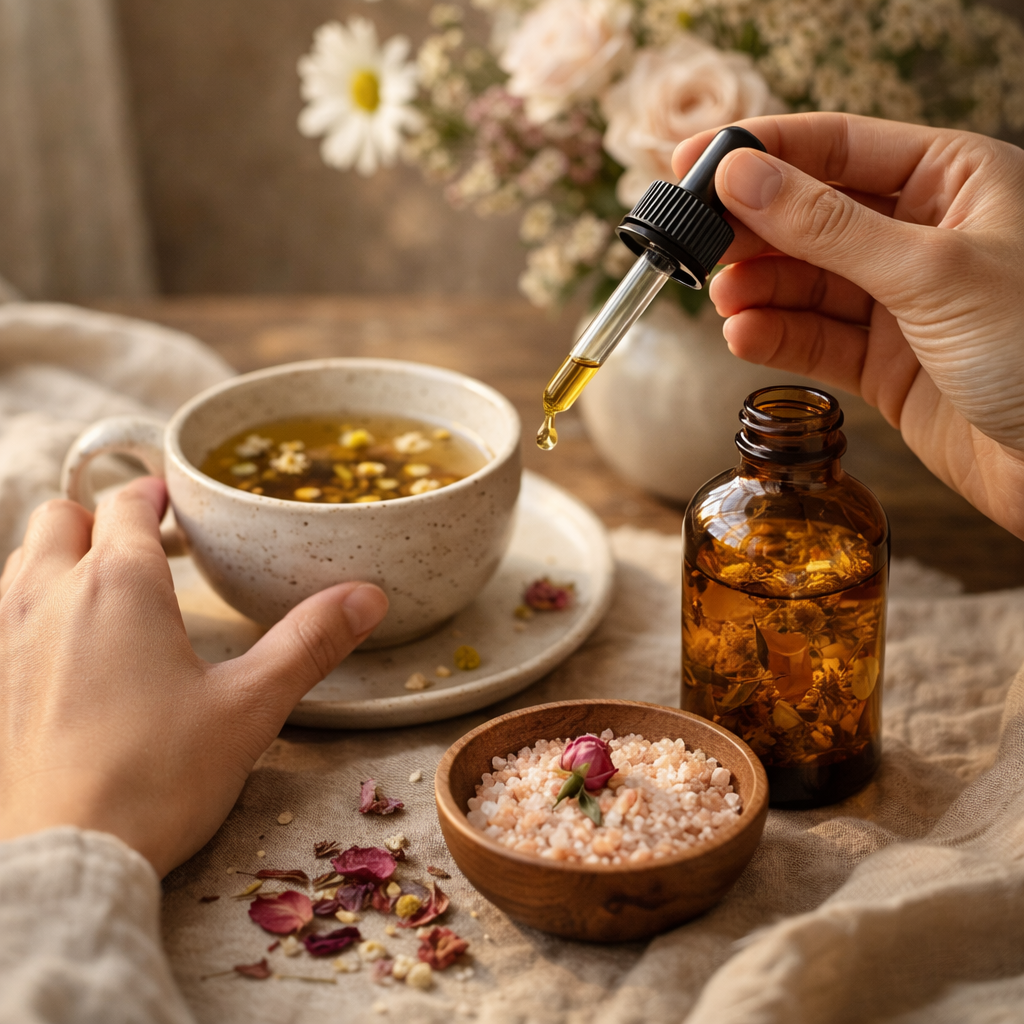
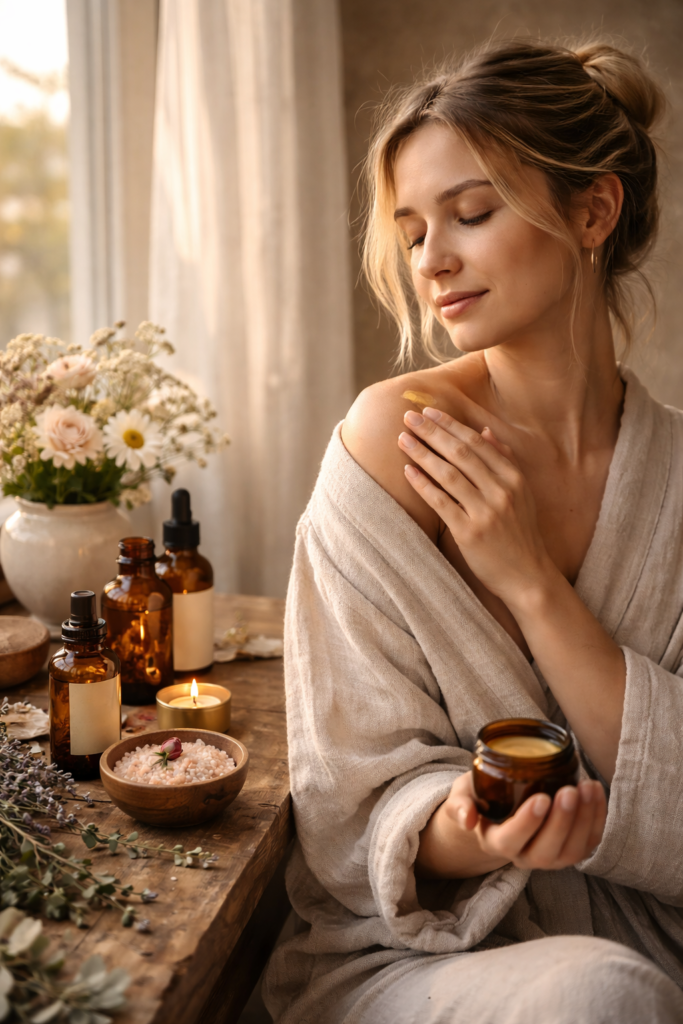
For example, applying a botanical balm before bed can become more than skincare. It can mark the transition from work to rest. Drinking a cup of herbal tea can become a way to pause and reset. Using a botanical mist in the morning can become a small practice of awakening and clarity. These rituals may be simple, but their consistency creates emotional value.
That meaning is part of why they still matter. In a culture that often encourages us to consume quickly and move on, rituals give us the chance to stay with ourselves for a moment longer. They support self-care not only as maintenance, but as relationship — a relationship with the body, the senses, the natural world, and the present moment.
Botanical Rituals Bring Nature Back into Daily Life
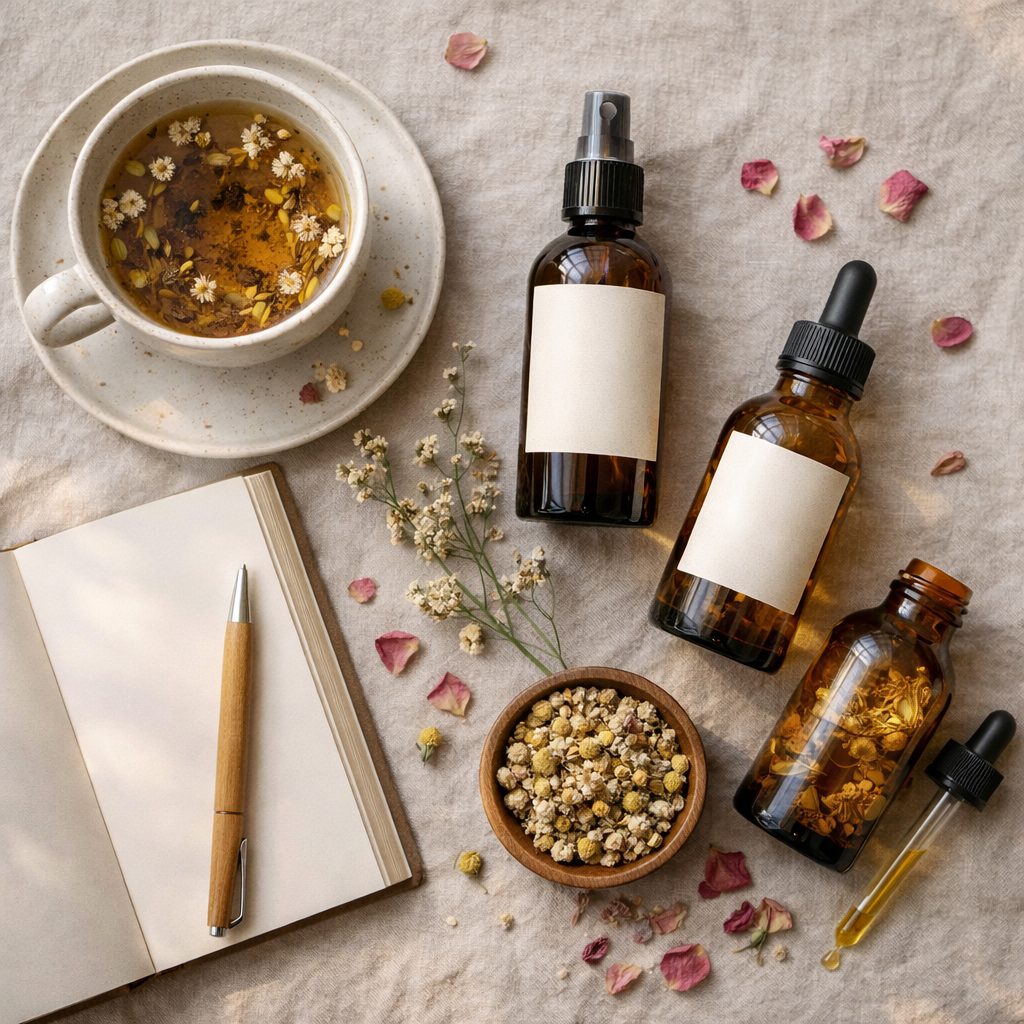
Many people today spend most of their time indoors, on screens, under artificial light, and in overstimulating environments. Botanical rituals offer a simple but powerful counterbalance. They bring nature back into daily life in tangible ways. The scent of herbs, the feel of oils, the sight of petals or leaves, and the warmth of a plant-infused bath all create sensory experiences that reconnect us to the natural world.
This matters because well-being is not only mental or physical. It is also environmental and sensory. When self-care includes natural ingredients and intentional rituals, it can help restore a sense of balance that technology alone cannot provide. Even a small ritual can create a moment of softness in an otherwise demanding day.
Botanical self-care also encourages a more respectful approach to wellness. Instead of chasing constant novelty, it invites us to appreciate simplicity, quality, and the wisdom found in nature.
They Offer a Gentler Vision of Wellness
Botanical rituals still matter because they represent a gentler vision of self-care. They are less about perfection and more about nourishment. Less about speed and more about rhythm. Less about pressure and more about presence. In modern life, that shift is deeply valuable.
Self-care does not always need to be optimized. Sometimes it simply needs to be felt. A botanical ritual reminds us that healing can begin with something small: a scent, a touch, a cup, a pause. These acts may seem simple, but they help create a more grounded and humane version of wellness.
Key Takeaways
Botanical rituals still matter in modern self-care because they offer something many people are craving: slowness, intention, connection, and care that feels real. They root wellness in the senses, in tradition, and in the natural world. In doing so, they transform everyday routines into meaningful acts of restoration.