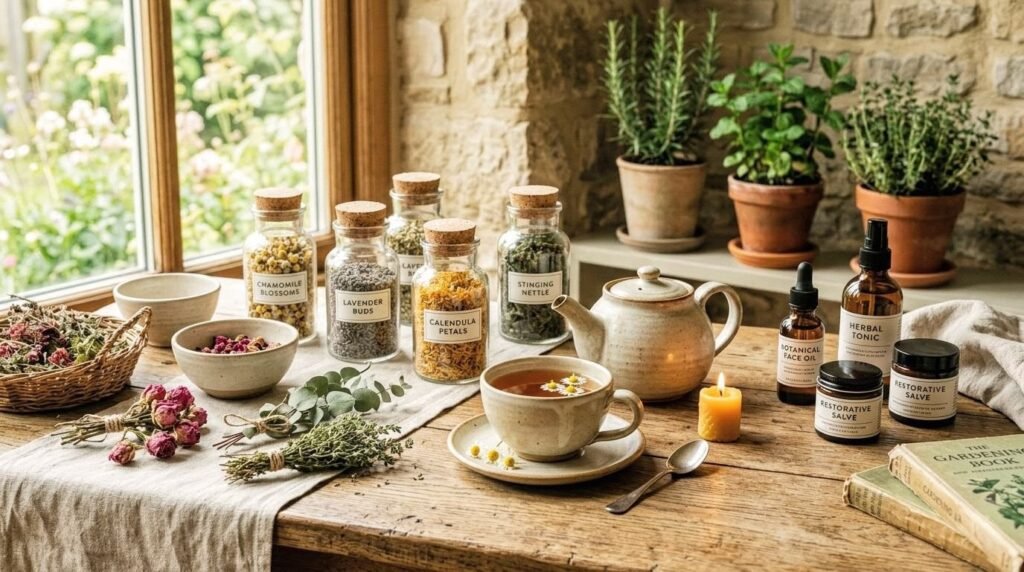
Self-care has become a familiar part of modern life. It can mean skincare, a bath, rest, a favorite drink, a quiet morning, or a few minutes away from stress. These practices can absolutely be helpful. But many people still feel that ordinary self-care, while pleasant, does not always reach the deeper level of restoration they are actually craving. It may soothe for a moment, yet still feel routine, rushed, or disconnected.
That is where herbal rituals feel different. They often create a more healing experience because they engage the senses, invite slowness, and connect self-care to something more intentional. Herbal rituals are not just about using products with plant ingredients. They are about creating moments of care that feel grounding, embodied, and meaningful. In a fast-moving world, that depth matters.
Herbal Rituals Slow The Body And Mind Down
One reason herbal rituals feel more healing than ordinary self-care is that they naturally encourage a slower pace. Modern self-care can easily become another task to complete. A face mask is applied while answering messages. Tea is made but consumed while multitasking. A skincare routine is rushed through before bed. The act may still be useful, but the nervous system does not always receive it as true rest.
Herbal rituals ask for a different kind of attention. Whether you are steeping herbs, massaging a botanical balm into the skin, preparing a soak, or inhaling the aroma of oils and flowers, the process itself encourages you to pause. Plants do not feel mechanical. They feel sensory, soft, and alive. Their scents, textures, and warmth remind the body to slow down and be present.
That slowing down is powerful. Often, healing begins not when we add more, but when we create enough stillness for the body and mind to exhale.
Plants Create A Stronger Sensory Connection
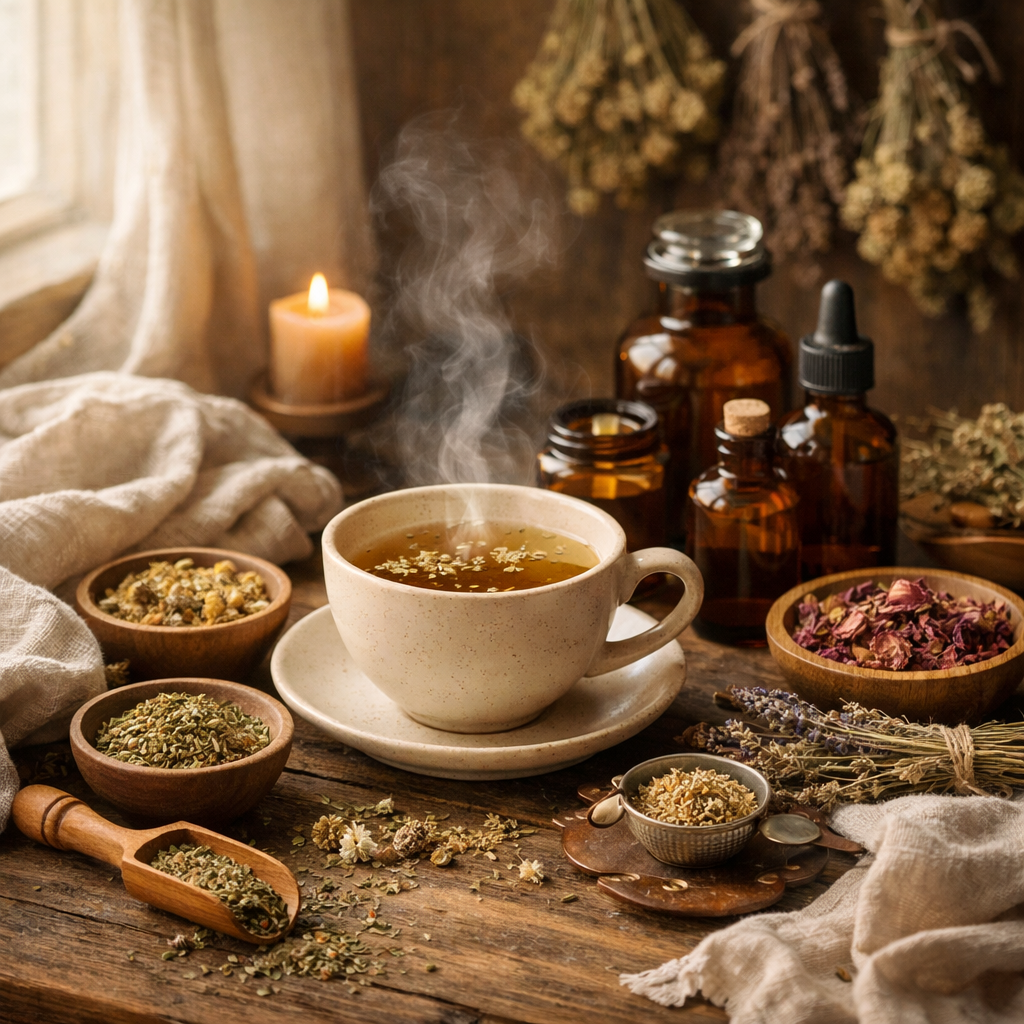
Ordinary self-care can sometimes feel generic because it focuses mostly on the result. Herbal rituals feel more healing because they turn the experience itself into part of the restoration. The scent of lavender, the freshness of rosemary, the softness of infused oil, the warmth of herbal steam, and the sight of petals or leaves all work together to create a fuller sensory experience.
This matters because the senses are deeply connected to how we feel. Scent can change the mood of a room. Touch can soften physical tension. Warmth can create comfort. When herbal rituals engage several senses at once, they can feel more immersive and more memorable than a routine done quickly or automatically.
That sensory depth helps explain why even a simple herbal ritual can leave a stronger impression than more ordinary forms of self-care. It does not just check a box. It creates an atmosphere of care. And the atmosphere has a healing power of its own.
Ritual Adds Meaning To Everyday Care
Another reason herbal rituals feel more healing is that ritual carries intention. A routine is something you do. A ritual is something you enter. Even when the actions are similar, the feeling is different. Ordinary self-care may help with maintenance, but herbal rituals often bring meaning to the moment.
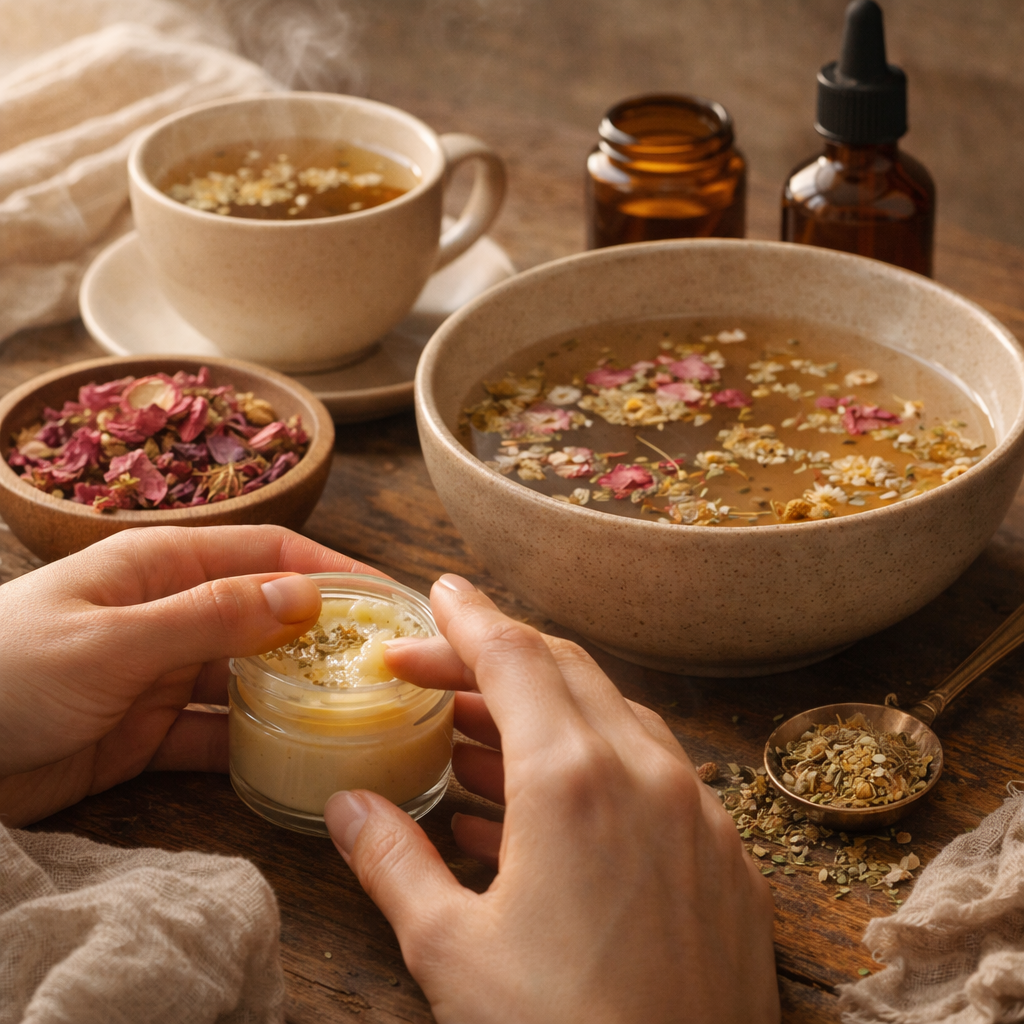
For example, drinking herbal tea before bed can become a signal that the day is ending and rest is beginning. Applying a botanical oil after bathing can become a way of reconnecting with the body. Using an herbal rinse for hair or a balm for dry skin can become a small act of tenderness instead of just maintenance.
This meaning matters because healing is not only physical. People often need emotional relief, grounding, and a sense of connection just as much as they need hydration or relaxation. Herbal rituals support that deeper layer by making the act of care feel intentional rather than purely functional.
Herbal Rituals Reconnect Us With Nature
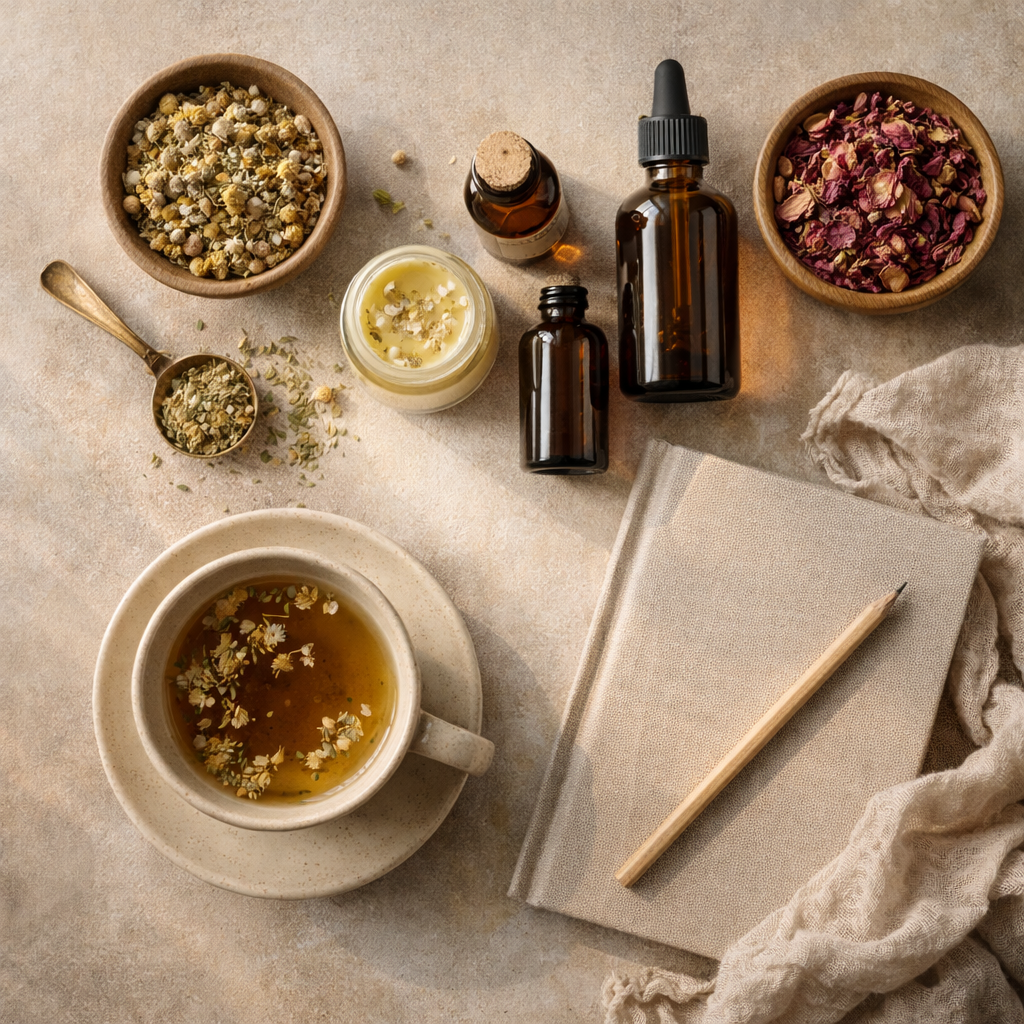
Many people spend most of their time in digital environments, indoors, and away from natural rhythms. Ordinary self-care may provide comfort, but herbal rituals often feel more healing because they reconnect us with the natural world. The presence of herbs, roots, flowers, oils, and plant infusions brings something organic back into everyday life.
This connection can feel deeply restorative. Nature has a way of softening overstimulation. Even small experiences, like smelling fresh herbs, using botanical skincare, or bathing with plant-infused products, can create a sense of return. You are reminded that healing does not always have to come from something synthetic, complicated, or highly optimized. Sometimes it can begin with simple plant-based care and a quiet moment of attention.
That return to nature can also shift the emotional tone of self-care. It feels less like consumption and more like a relationship — a relationship with the body, with the senses, and with the earth.
They Feel Gentler And More Personal
Herbal rituals often feel more healing because they are gentler in both pace and energy. They do not usually demand dramatic transformation. Instead, they offer comfort, consistency, and support. That gentleness can be especially meaningful in times of stress, burnout, or emotional fatigue.
They also tend to feel more personal. People often choose herbs and botanicals based on what resonates with them: a scent that calms them, a balm that comforts them, a tea that helps them wind down. This personal connection makes the ritual feel intimate. It becomes less about following a trend and more about listening to what genuinely helps you feel restored.
When care feels personal, it becomes easier to trust. And when it becomes easier to trust, it can feel more healing.
Key Takeaways
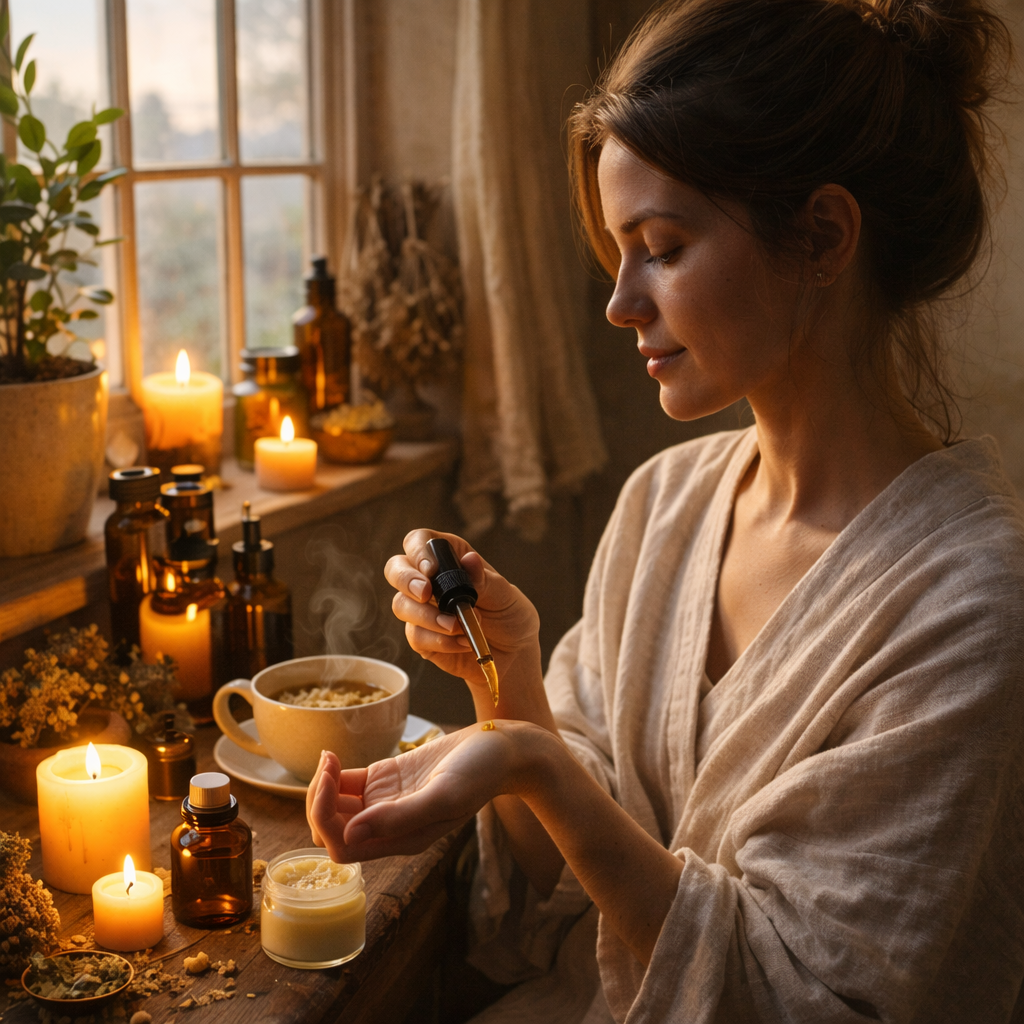
Herbal rituals feel more healing than ordinary self-care because they invite slowness, deepen sensory experience, add meaning to routine, and reconnect us with nature. They transform simple acts of care into moments that feel more grounded, intentional, and emotionally restorative.
Ordinary self-care can still be valuable, but herbal rituals offer something more layered. They remind us that healing is not always about doing more. Often, it is about being more present with the care we give ourselves. In that presence, even small plant-based rituals can begin to feel deeply restorative.