Some of the most meaningful things we learn about plants never come from a textbook.
They come from watching someone tend a garden.
From hearing a family member explain why they always kept a particular herb nearby.
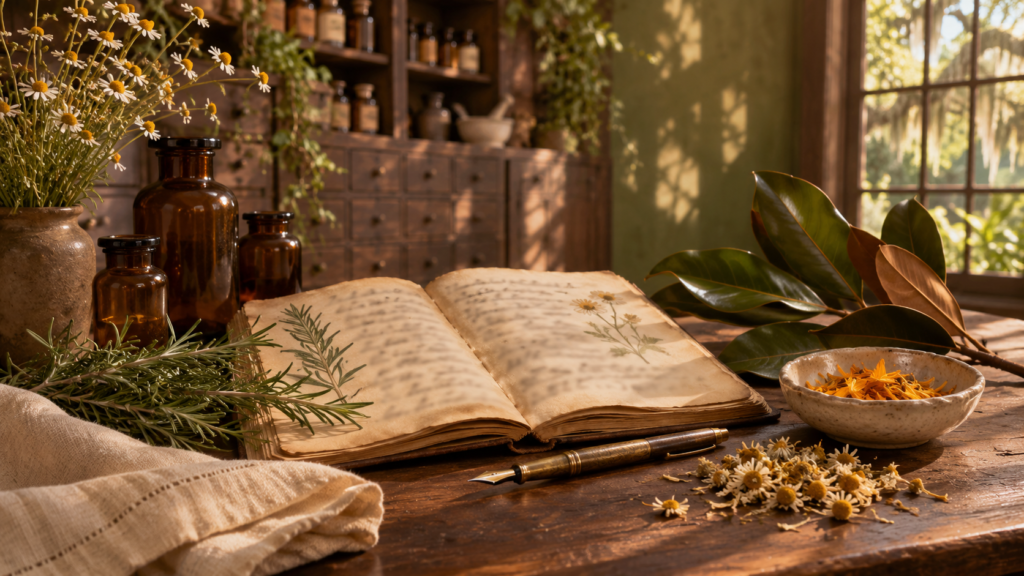
Or from finding an old notebook filled with observations about flowers, leaves, and seasonal changes.
These small moments can carry botanical knowledge across generations.
For anyone exploring an apothecary on Johns Island, South Carolina, the area’s rich cultural landscape offers an opportunity to think about how plant traditions are remembered and shared.
Preserving those stories doesn’t require becoming an herbal expert.
Sometimes, it begins with asking a question and taking the time to listen.
Botanical Knowledge Often Begins With Observation
Before someone can explain how a plant grows, they usually spend time observing it.
They notice when leaves appear.
They recognize changes in color.
They learn which plants grow well in certain conditions.
These observations can become part of everyday gardening knowledge.
A person may remember that a particular herb flourished beside a sunny kitchen window.
Another may recall how a family member protected garden plants during colder weather.
Such details may seem ordinary, but they can reveal how people developed relationships with the plants around them.
Recording these observations helps preserve practical experiences without turning them into unsupported medical advice.
The Low country Has Many Botanical Stories
Johns Island belongs to South Carolina’s Low country, a region shaped by coastal environments and diverse cultural histories.
Indigenous communities maintained knowledge of local landscapes long before European colonization.
African agricultural expertise also played an important role in the development of Low country food ways and farming traditions.
The Gullah Geechee community continues to preserve distinctive cultural knowledge, language, and traditions throughout the coastal Southeast.
These histories deserve careful recognition.
Botanical traditions should not be presented as though every community used the same plants or shared identical practices.
Instead, each story belongs within its own cultural and historical context.
Why Family Stories Matter
A family story can reveal more than the name of a plant.
It may explain where someone grew it, how they learned about it, or why it became important in a household.
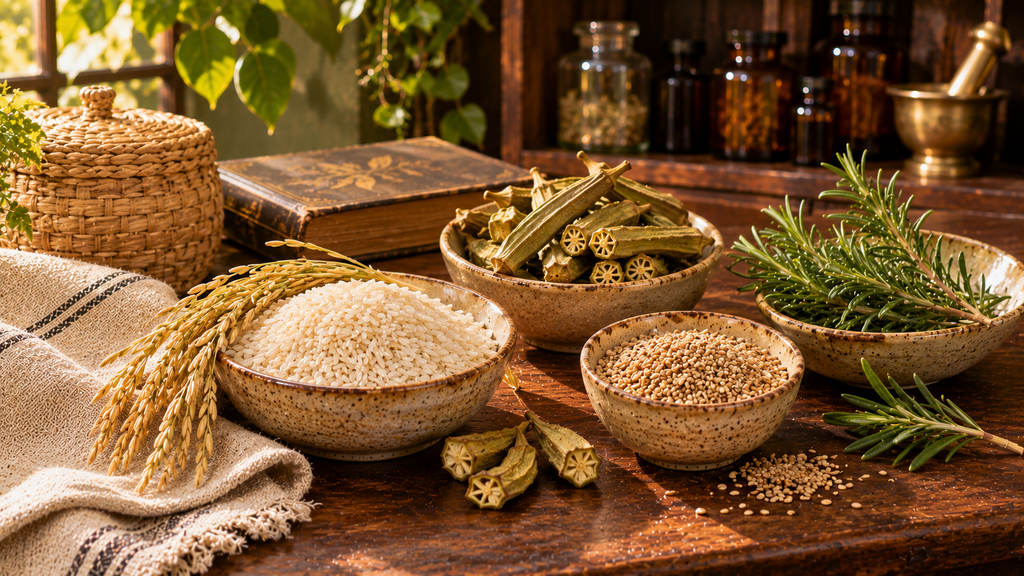
Perhaps a grandmother always kept mint growing near her kitchen.
Maybe an uncle remembered a particular flowering tree from childhood.
Or a parent taught their children how to recognize herbs used in familiar meals.
These stories connect botanical knowledge with people and places.
They also remind us that plant traditions are not always about remedies.
Many are connected with food, gardening, celebrations, and everyday experiences.
Preserving them helps maintain a fuller picture of family and community life.
Start With a Conversation, Not an Assumption
If you’re interested in documenting botanical traditions, begin by asking questions.
What plants do family members remember growing?
Were particular herbs used in cooking?
Did someone maintain a garden?
Were certain flowers associated with celebrations or special occasions?
Allow people to explain their experiences in their own words.
Avoid assuming that a practice was medicinal simply because it involved a plant.
Also remember that some cultural knowledge may be private, sacred, or intended to remain within a particular community.
Always ask permission before recording or publicly sharing someone else’s stories.
Respecting boundaries is part of preserving knowledge responsibly.
Handwritten Notes Can Preserve Small Details
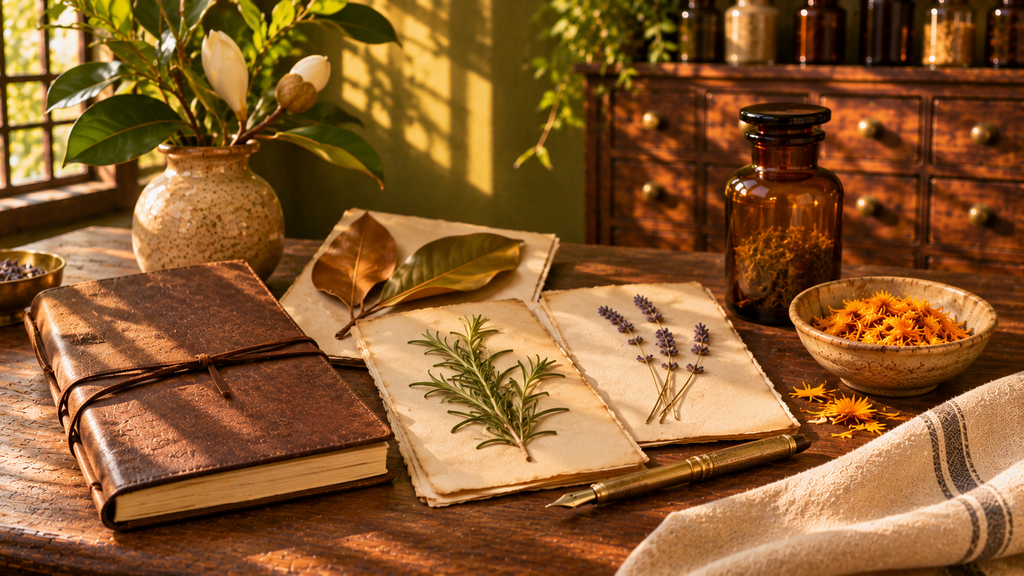
A notebook doesn’t need to be elaborate to become meaningful.
You might record the name of a plant, where it was grown, and who introduced you to it.
You could include the season when it appeared or a memory connected with it.
Dates and locations can provide useful context.
Photographs may also help document changes in a garden over time.
However, personal notes should not be treated as definitive plant identification guides.
Common names can refer to different species, and visual resemblance alone is not enough to confirm that an unfamiliar plant is safe.
Use reliable botanical references when accurate identification matters.
A Botanical Journal Doesn’t Need to Contain Recipes
When people think about preserving herbal knowledge, they often imagine collecting recipes.
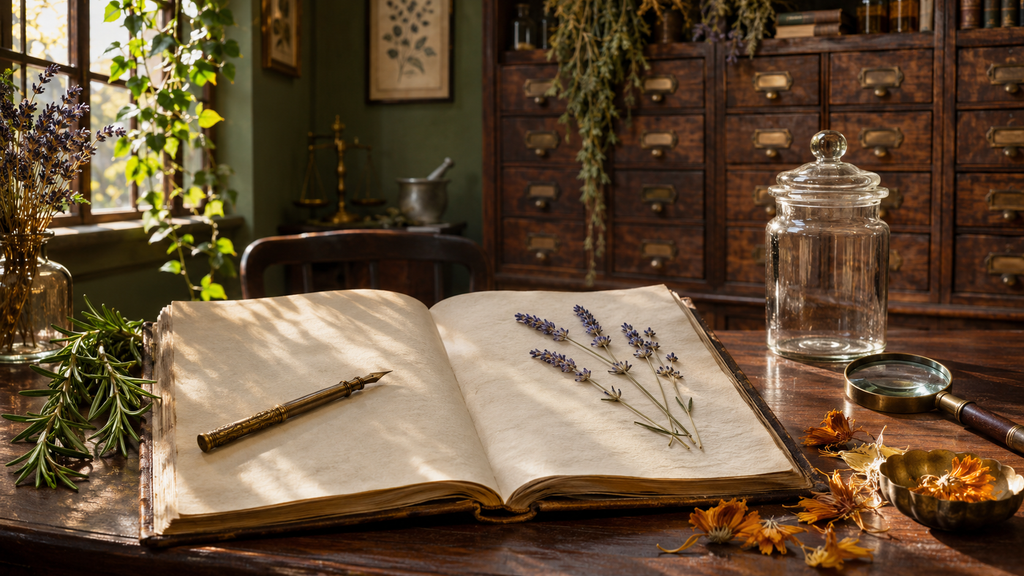
But a botanical journal can focus entirely on observation and memory.
You might document the appearance of a plant during different seasons.
You could record a family member’s gardening advice.
Or describe how a familiar flower became part of a household tradition.
These notes can be valuable without including instructions for making preparations.
In fact, avoiding unverified remedies can make the journal more appropriate for general family use.
A meaningful botanical record doesn’t need to promise health benefits.
It can simply preserve the story of a plant and the people connected with it.
Remember the Difference Between Tradition and Evidence
Traditional botanical practices deserve cultural and historical respect.
But historical use doesn’t automatically establish modern medical safety or effectiveness.
A plant may have been used in a household for generations without being appropriate for every person or purpose.
Some botanical contain compounds that can cause irritation, allergic reactions, or other adverse effects.
Others may interact with medications or become unsafe when prepared incorrectly.
When documenting historical practices, clearly distinguish what someone remembers from what scientific evidence supports.
You can preserve a tradition without recommending that others reproduce it.
This distinction helps protect both cultural meaning and personal safety.
How an Apothecary Can Encourage Learning
A modern apothecary can be more than a place to encounter botanical products.
It can also inspire curiosity about plant origins, ingredient terminology, and cultural history.
Learning about botanical traditions may encourage people to explore reliable books, botanical gardenbotanical wellnesss, museums, and community educational resources.
However, the word apothecary doesn’t automatically indicate medical qualifications.
Educational information should be distinguished from professional healthcare advice.
The most useful learning experience encourages thoughtful questions rather than exaggerated claims.
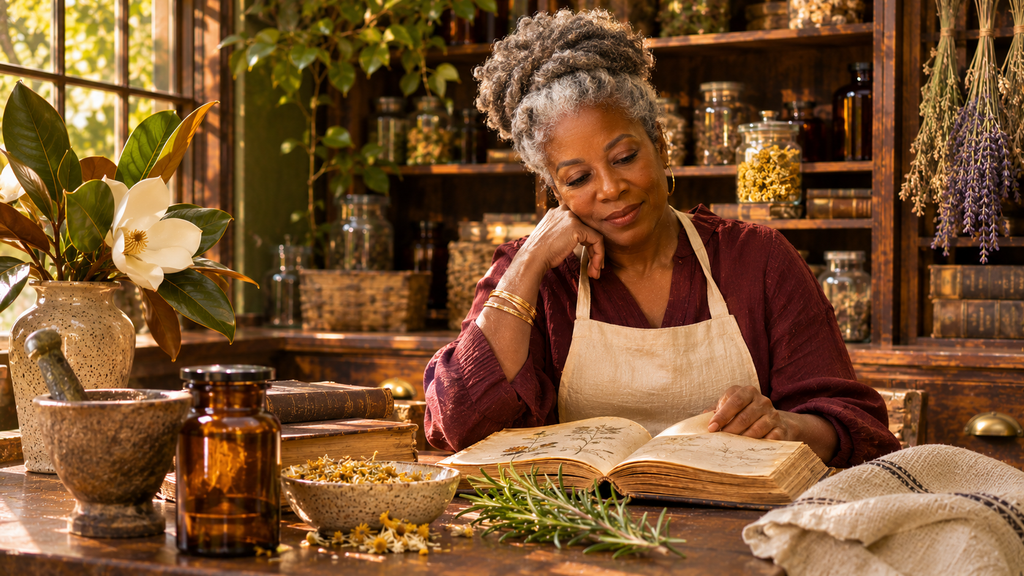
Protecting the Stories Behind the Plants
When sharing botanical knowledge, it’s important to acknowledge where the information came from.
If a family member taught you something, credit their contribution when they are comfortable being identified.
If the information comes from a cultural tradition, avoid presenting it as your own discovery.
Some communities have experienced the commercialization of traditional knowledge without appropriate recognition or benefit.
Responsible storytelling means considering consent, attribution, and cultural context.
Not every story needs to become public content.
Sometimes, preserving a memory within a family is meaningful enough.
Let the Next Generation Ask Questions
Children and younger family members may become curious about plants through simple activities.
They might notice the shape of a leaf.
Ask why a flower blooms during a particular season.
Or wonder where a familiar culinary herb comes from.
These questions create opportunities for learning.
Adults can encourage curiosity through supervised gardening, observation, and age-appropriate botanical resources.
Avoid encouraging children to taste or apply unfamiliar plants.
Instead, focus on recognizing plant characteristics, understanding habitats, and appreciating the natural environment.
Botanical learning can begin with observation rather than experimentation.
Keep the Record Simple and Personal
You don’t need to document every plant you’ve encountered.
Start with one that has personal meaning.
Write down what you remember.
Ask a family member whether they recall the same details.
Add a photograph or drawing if you wish.
Over time, your collection may become a small record of family gardens, seasonal observations, and shared experiences.
The goal isn’t to create a perfect botanical encyclopedia.
It’s to preserve details that might otherwise be forgotten.
Key Takeaways
- Botanical knowledge is often preserved through observation and everyday experiences.
- Johns Island’s Low country heritage includes diverse cultural and agricultural traditions.
- Family stories can connect plants with memories, people, and places.
- Botanical traditions are not always medicinal.
- Conversations can help preserve knowledge that might otherwise be forgotten.
- Always seek permission before recording or sharing someone else’s cultural stories.
- Handwritten journals can document plant observations without including remedies.
- Traditional use should be distinguished from scientific evidence.
- Accurate plant identification requires reliable references.
- Preserving botanical heritage involves respect, attribution, and cultural awareness.
Final Thoughts
Not every meaningful botanical tradition needs to become a product, recipe, or elaborate ritual.
Sometimes, its value lies in remembering who introduced you to a plant and the experiences you shared around it.
A handwritten note, a family conversation, or a simple garden observation can help preserve those connections.
For communities around Johns Island, appreciating botanical heritage also means recognizing the different people and traditions that shaped the Low country.
Explore botanical wellness and apothecary-inspired traditions near Johns Island with curiosity, cultural respect, and an appreciation for the everyday stories that make plant knowledge meaningful.