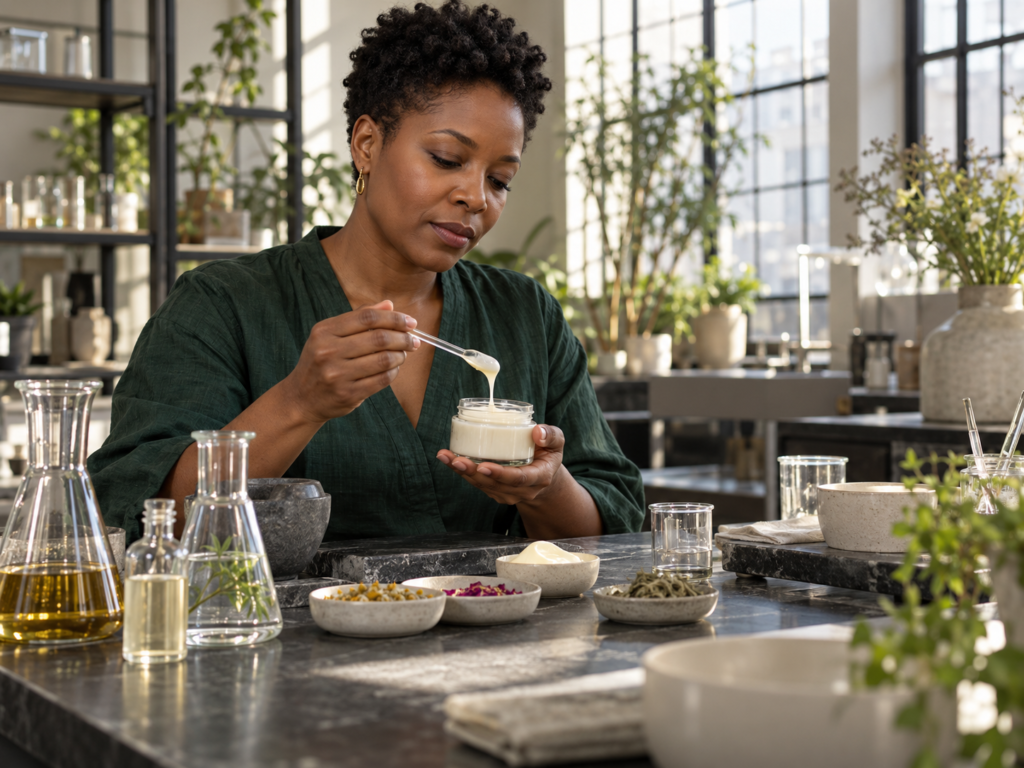
You open a jar of botanical balm.
Before noticing the scent or reading the ingredient list, something else catches your attention.
The texture.
Maybe it feels rich and buttery. Perhaps it softens when warmed between your fingers. Another preparation might feel lightweight, fluid, or almost weightless.
These differences aren’t simply about preference.
Texture can influence how a product spreads, how much you use, and whether you enjoy incorporating it into your routine.
In a modern apotheca, understanding botanical textures offers another way to approach natural skincare and personal care with greater confidence.
You don’t need to know formulation science to appreciate the difference.
Sometimes, paying attention to how a preparation feels is a useful place to begin.
Why Texture Matters in Botanical Personal Care
When people explore botanical products, ingredients often receive the most attention.
Aloe vera.
Shea butter.
Coconut oil.
Hibiscus.
But ingredients don’t tell the entire story.
The way a product is formulated influences its consistency and how it behaves during application.
A rich balm may spread differently from a lotion. An oil may leave a different finish from a cream.
These differences can affect personal preference and practical use.
Texture alone cannot tell you whether a product is effective, safe, or appropriate for your skin.
However, it can help you understand what using the product may feel like.
Rich Balms: When a Little Goes a Long Way
Balms often have a thicker consistency than lotions.
Many contain combinations of oils, butters, and waxes that create a concentrated texture.
Some soften when warmed between the hands.
Others remain firmer until spread across the skin.
Depending on their formulation, balms may help reduce moisture loss by creating a protective layer.
This can make certain balms useful for areas that benefit from richer moisturizing care.
However, a thick texture doesn’t automatically make a product more effective.
A balm should still be chosen according to its ingredients, intended use, and your individual skin needs.

Lightweight Preparations Feel Different
Not everyone enjoys rich textures.
Some people prefer preparations that spread easily and leave a lighter finish.
Lightweight lotions, gels, and certain emulsions may feel more comfortable for particular preferences or applications.
But lightweight doesn’t necessarily mean less moisturizing.
A well-formulated lotion may contain humectants, emollients, and other ingredients designed to support skin hydration.
The finished formulation matters more than how heavy or light the product initially feels.
When comparing options, think about where you’ll use the product and whether you enjoy its consistency.
A texture you find pleasant may make regular use easier.
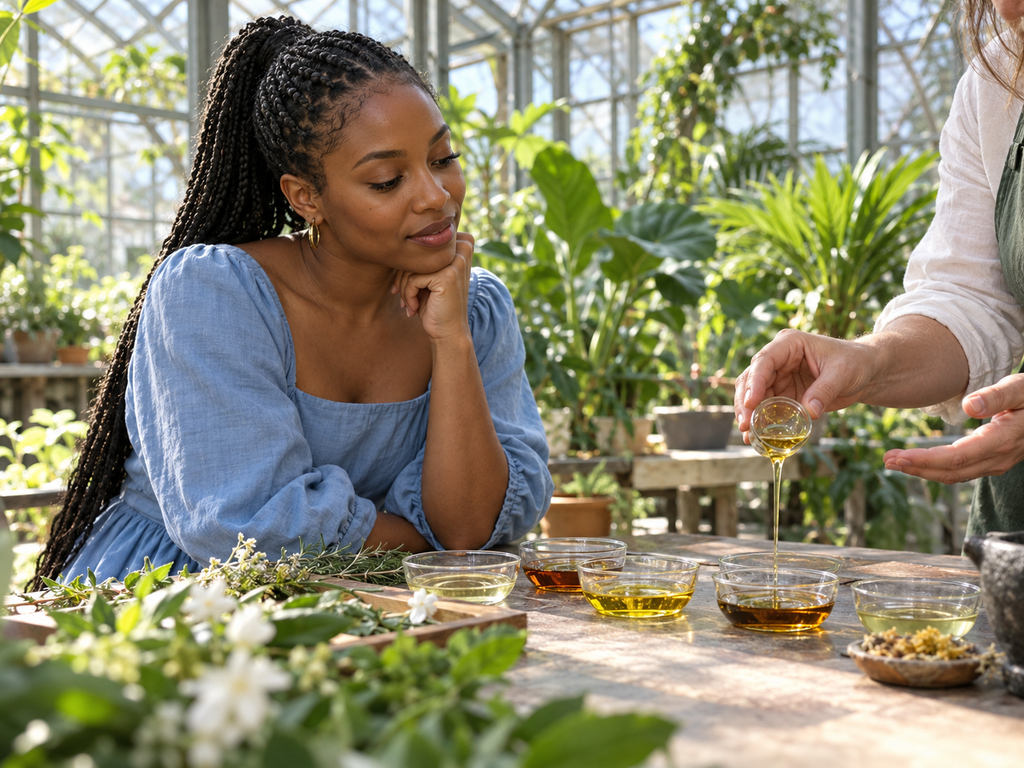
Oils Have Their Own Characteristics
Botanical oils are common ingredients in personal-care formulations.
Different oils vary in viscosity, spreadability, and how they feel on the skin.
Some feel relatively lightweight.
Others have a richer or more noticeable finish.
The term “oil” doesn’t describe one universal experience.
An oil-based preparation may also behave differently depending on the other ingredients included in its formulation.
When exploring plant-based personal care, remember that the presence of a familiar oil doesn’t guarantee that two finished products will feel or perform identically.
Creams Combine Different Elements
Creams are often emulsions, meaning they combine water-based and oil-based components in a stable formulation.
This allows formulators to create different consistencies.
Some creams are thick and cushiony.
Others feel lighter and spread quickly.
The balance of ingredients helps determine the finished texture.
But the word “cream” alone doesn’t reveal everything about a product.
A rich cream and a lightweight cream may have very different formulations and intended uses.
Read the directions and ingredient information rather than relying entirely on the product name.
Temperature Can Change How a Product Feels
Have you ever noticed that a balm feels firmer in a cool room?
Or that an oil-based preparation spreads differently after warming between your hands?
Temperature can influence the consistency of certain formulations.
Some ingredients soften when warmed and become firmer when cooled.
This doesn’t automatically indicate that a product has spoiled.
However, unexpected changes in color, odor, separation, or consistency may warrant caution.
Always follow the manufacturer’s storage instructions and avoid using a product that appears contaminated or otherwise compromised.
An apotheca preparation should be stored according to its actual formulation, not simply according to assumptions about natural products.
Texture Isn’t the Same as Quality
It’s tempting to associate certain textures with better products.
A thick balm might seem more luxurious.
A silky preparation might feel more sophisticated.
A lightweight formula might seem gentler.
But these impressions aren’t reliable measures of quality.
A product’s suitability depends on its complete formulation, intended use, manufacturing quality, and individual response.
Even pleasant textures can accompany ingredients that cause irritation in sensitive individuals.
Similarly, a simple-looking preparation may be perfectly appropriate for its intended purpose.
Texture is one useful characteristic, not a final judgment.
Choose Texture According to Purpose
Before selecting a botanical preparation, consider where and how you plan to use it.
A richer product may appeal to someone seeking a more substantial moisturizing finish.
Another person may prefer a lighter consistency for everyday use.
Your preferences may also vary depending on the body area, product type, and season.
Rather than assuming one texture is universally best, consider what suits your needs.
If you have sensitive skin, follow product directions and consider patch testing unfamiliar topical preparations.
Stop using a product if irritation develops.
Your Senses Can Help, but Labels Still Matter
Texture, scent, and appearance can make botanical products interesting to explore.
They can also influence whether you enjoy using something.
However, sensory impressions should never replace reading the label.
A pleasant fragrance doesn’t establish safety.
A smooth texture doesn’t guarantee suitability.
And a natural appearance doesn’t confirm that a product is free from potential allergens.
Use sensory observations alongside ingredient information, directions, and appropriate precautions.
This combination provides a more useful understanding of the finished product.

A Simple Texture Check Before Choosing
When considering a new topical preparation, think about four things.
Consistency: Is it thick, fluid, creamy, or gel-like?
Spreadability: Does it appear suited to the intended application?
Finish: Do you prefer a richer or lighter feel?
Purpose: Is the product actually designed for the use you have in mind?
These observations can help you understand your preferences.
Just remember that texture doesn’t replace proper product information or safety guidance.
Key Takeaways
- Texture influences how botanical preparations spread and feel.
- Balms, oils, creams, lotions, and gels can have different consistencies.
- Thick products are not automatically more effective.
- Lightweight preparations can still provide moisturizing benefits.
- Similar botanical ingredients do not guarantee identical textures.
- Temperature may affect certain oil- and wax-based formulations.
- Texture alone cannot establish product quality or safety.
- Always consider intended use, ingredients, and directions.
- Personal preference matters when selecting everyday topical care.
Final Thoughts
Botanical personal care involves more than recognizing familiar plants.
The way a preparation feels can influence how you experience it, how easily it spreads, and whether it suits your preferences.
Understanding texture doesn’t require complicated terminology.
It simply means noticing the difference between rich, creamy, silky, and lightweight preparations while remembering that the complete formulation matters most.
Explore botanical skincare and natural wellness with greater curiosity about the textures, ingredients, and purposes behind everyday personal care.