

In today’s fast-paced world, the idea of wellness often feels like one more item on an overflowing to-do list. Between early meetings, packed calendars, and the constant pull of digital demands, many professionals find themselves running on empty. Yet the body and mind still need moments of restoration. Natural wellness practices—rooted in botanical traditions, mindful rituals, and simple daily habits—offer a gentle way forward. They do not require hours of free time or elaborate routines. Instead, they invite small, sustainable acts of care that can weave into even the busiest days.
These practices matter because chronic stress and disconnection from our natural rhythms can quietly erode energy, focus, and overall well-being. Traditional herbal and holistic approaches have long emphasized balance, listening to the body, and using plants as allies in daily life. For modern professionals, the invitation is the same: reclaim pockets of presence without adding pressure.
Why Natural Wellness Fits a Demanding Schedule
A common misconception is that meaningful self-care must be time-intensive or luxurious. In reality, the most supportive habits are often the simplest ones that fit into existing transitions—commutes, lunch breaks, or the few minutes before bed. Natural wellness centers on intention rather than perfection. It draws from time-honored botanical knowledge while remaining practical for contemporary life.
Many people assume they need to overhaul their entire lifestyle overnight. Evidence-informed guidance suggests the opposite: small, consistent actions tend to support lasting change more effectively than dramatic shifts that prove hard to maintain.
Simple Morning Rituals That Set a Steady Tone
Start the day with presence rather than urgency. Upon waking, take three slow breaths before reaching for your phone. This brief pause can help signal to the nervous system that the day begins with you, not with external demands.
Consider a short herbal tea ritual. Warm water infused with traditional botanicals such as lemon balm or ginger has long been used in various cultures to support a sense of calm and gentle digestion. Sip slowly while looking out a window or simply sitting still. The act itself—preparing, holding, and tasting—creates a sensory anchor that may help promote groundedness before the day’s momentum takes over.
If time is especially tight, keep a small container of a nourishing plant-based balm or oil by the bedside. A few moments of mindful application to hands or temples can serve as both physical care and a tactile reminder to check in with yourself.

Midday Practices for Resetting Energy
The afternoon often brings a natural dip in focus. Instead of pushing through with another coffee, try a brief sensory reset. Step outside if possible, even for two minutes, and notice the air, light, or sounds around you. Nature exposure, even brief, is associated with reduced feelings of mental fatigue in many observational studies.
Hydration remains foundational. Keep a glass or bottle of water nearby and pair each sip with a conscious breath. Some professionals find that adding a squeeze of citrus or a few leaves of a familiar herb makes the habit more appealing.
For those who sit for long hours, gentle movement interspersed throughout the day can support circulation and ease tension. A short stretch at the desk, rolling the shoulders, or walking to refill water are practical examples that require no special equipment.
Evening Wind-Down Rituals for Restorative Rest
Evenings offer a valuable opportunity to transition out of “doing” mode. Dimming lights and reducing screen time an hour before bed may help support the body’s natural cues for rest.
A warm herbal infusion—such as those traditionally prepared with calming botanicals—can become a comforting signal that the workday has ended. Pair it with a few minutes of quiet reflection or light journaling about one thing that went well or one intention for the next day.
Skin and body care can also serve as evening anchors. Applying a simple botanical balm or oil with slow, intentional strokes turns a basic hygiene step into a moment of self-connection. Many cultures have long valued such tactile practices as ways to release the day’s accumulation of tension.

Integrating Botanical Self-Care Without Overwhelm
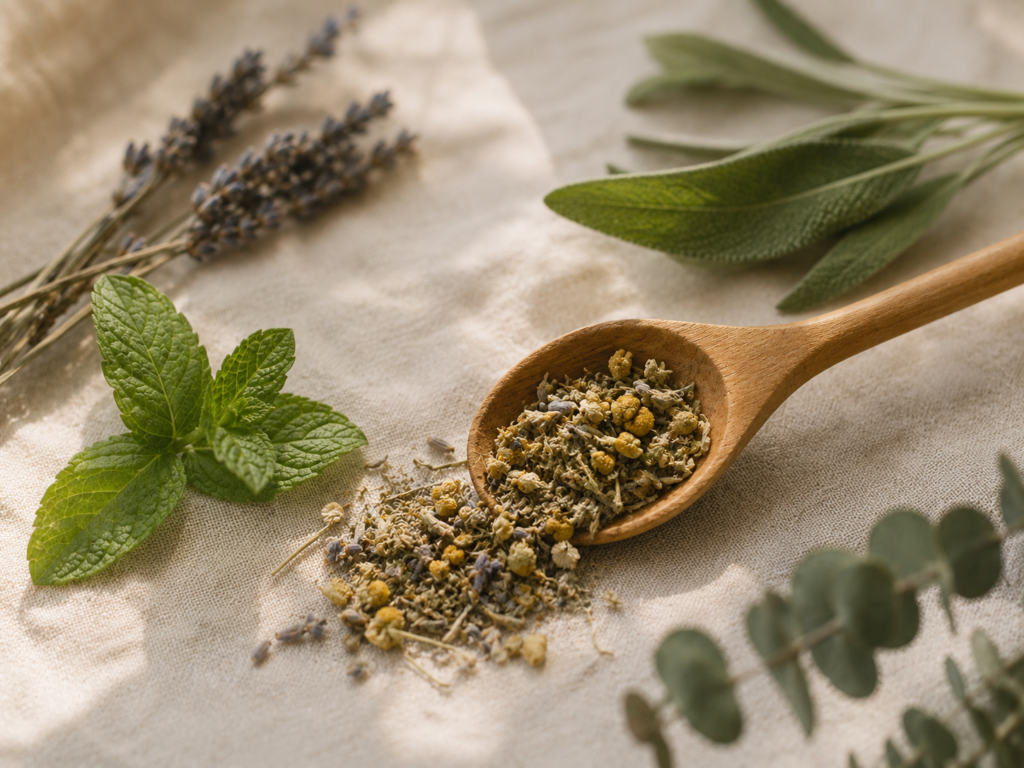
Herbal traditions across cultures emphasize plants as companions rather than cures. Common kitchen or garden herbs have historically been used in simple preparations to support everyday comfort. The key for busy professionals is accessibility: choose one or two familiar botanicals and explore them gently.
A frequent misconception is that natural practices must be complex or sourced from distant places to be effective. In truth, consistency and personal resonance matter more than novelty. Start where you are—with what is already available and feels supportive.
Remember that natural wellness complements, rather than replaces, professional medical advice. Individual needs vary, and consulting a qualified healthcare provider remains important, especially when managing existing conditions or considering new herbal approaches.
Building Sustainable Habits That Last
The most effective wellness practices are those that feel nourishing rather than obligatory. Look for natural openings in the day—waiting for a meeting to start, commuting, or the transition between work and home. Attach a small ritual to an existing cue so it becomes almost automatic.
Track how you feel after a week of one new practice. Many people notice subtle shifts in energy, mood, or sense of agency. These observations can reinforce the habit more powerfully than any external rule.

Key Takeaways
- Small, intentional pauses often support well-being more reliably than lengthy routines.
- Sensory rituals—tea, breath, touch, or nature—can create meaningful anchors in a busy schedule.
- Botanical traditions offer accessible, time-honored ways to support daily comfort when approached gently and consistently.
- Natural practices work best as complements to professional care and personal listening.
Final Thoughts
Wellness for busy professionals does not require stepping away from ambition or responsibility. It asks only that we make room for the quiet practices that help us remain whole while we move through demanding days. Start with one small ritual that feels kind rather than complicated. Over time, these moments accumulate into a more coherent sense of self-care—rooted in the body’s wisdom, the quiet gifts of plants, and the simple act of showing up for yourself.
The path of natural wellness is not about perfection. It is about returning, again and again, to what nourishes.