

Herbal products have become increasingly popular among people seeking natural ways to support their health and wellness. From herbal teas and supplements to topical remedies and plant-based extracts, these products are widely available and often marketed as gentle alternatives to conventional treatments.
However, “natural” does not always mean “safe.” Before adding any herbal product to your routine, it’s important to consult a healthcare professional. Their guidance can help you avoid unnecessary risks and ensure that the product aligns with your individual health needs.
Understanding the Risks Behind Herbal Products
Many people assume that herbal remedies are harmless because they come from plants. While some herbs have a long history of traditional use, they can still affect the body in powerful ways.
Certain herbs may:
- Interact with prescription medications
- Cause allergic reactions
- Trigger unwanted side effects
- Affect blood pressure, blood sugar, or hormone levels
- Interfere with medical treatments or surgeries
A healthcare professional can evaluate your medical history and help determine whether a specific herbal product is appropriate for you.
Herbal Products Can Interact With Medications
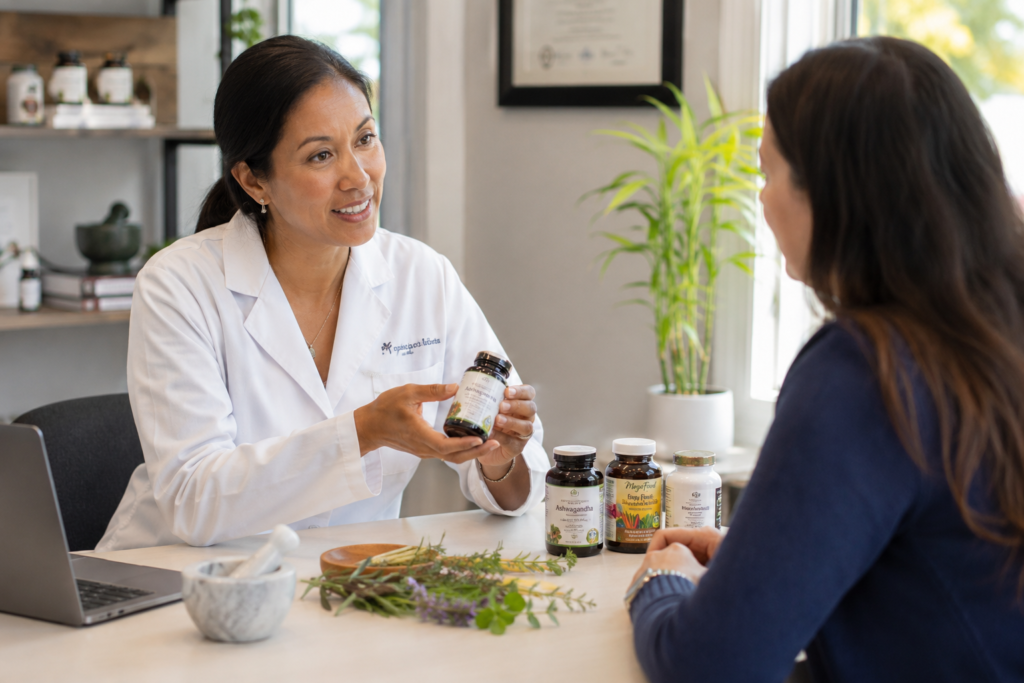
One of the biggest reasons to seek professional advice is the possibility of drug-herb interactions.
Some herbal supplements can increase or decrease the effectiveness of medications. For example, certain herbs may influence how the liver processes drugs, while others may affect blood clotting, heart function, or blood sugar levels.
If you currently take medications for conditions such as:
- High blood pressure
- Diabetes
- Heart disease
- Anxiety or depression
- Thyroid disorders
It’s especially important to discuss herbal products with your healthcare provider before use.
By identifying potential interactions early, you can reduce the risk of complications and ensure your treatments work as intended.
Individual Health Needs Matter
No two people have the same health profile. Factors such as age, medical history, allergies, pregnancy status, and existing health conditions can influence how your body responds to herbal products.
For example:
- Pregnant or breastfeeding individuals may need to avoid certain herbs.
- Older adults may be more sensitive to supplement ingredients.
- People with chronic illnesses may require additional monitoring.
A healthcare professional can provide personalized recommendations based on your unique circumstances rather than relying on generalized information found online.

Product Quality Can Vary Significantly
Unlike prescription medications, herbal products may vary in quality, purity, and potency depending on the manufacturer.
Some products may contain:
- Inconsistent ingredient concentrations
- Undisclosed additives
- Contaminants such as heavy metals
- Ingredients that differ from what is listed on the label
A healthcare professional can help you identify reputable products and understand what to look for when evaluating labels and ingredient lists.
This guidance can be especially valuable for consumers who are new to herbal supplements and wellness products.
Avoid Delaying Proper Medical Care
While herbal remedies may support overall wellness in some situations, they should not automatically replace professional medical advice or treatment.
One common concern is that individuals may self-diagnose a condition and rely solely on herbal products instead of seeking appropriate medical evaluation.
Symptoms such as:
- Persistent fatigue
- Chronic pain
- Unexplained weight changes
- Severe skin issues
- Ongoing digestive problems
May indicate underlying health conditions that require professional diagnosis and treatment.
Consulting a healthcare professional helps ensure that important medical issues are not overlooked.
Better Results Through Personalized Guidance
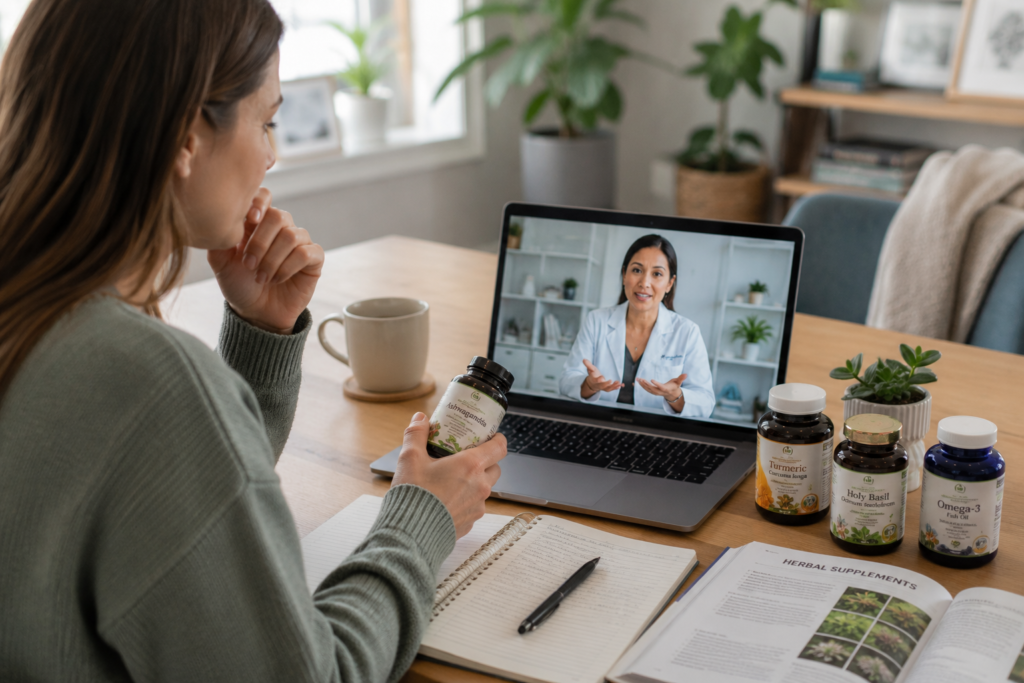
Healthcare professionals can help you create a wellness strategy that incorporates herbal products safely and effectively.
Rather than guessing which supplement may work best, you can receive guidance on:
- Appropriate dosage
- Timing and duration of use
- Potential side effects
- Signs that indicate the product should be discontinued
- Complementary lifestyle habits
This personalized approach often leads to better outcomes and greater confidence in your wellness decisions.
Everyday Situations Where Professional Advice Is Helpful
Many people benefit from consulting a healthcare professional before using herbal products in common situations, including:
- Starting a new dietary supplement
- Managing stress and sleep concerns
- Supporting skin health
- Addressing digestive discomfort
- Exploring immune-support products
- Preparing for surgery or medical procedures
Even when a product seems mild or widely used, professional guidance can help prevent unexpected complications.
Making Informed Choices for Your Health
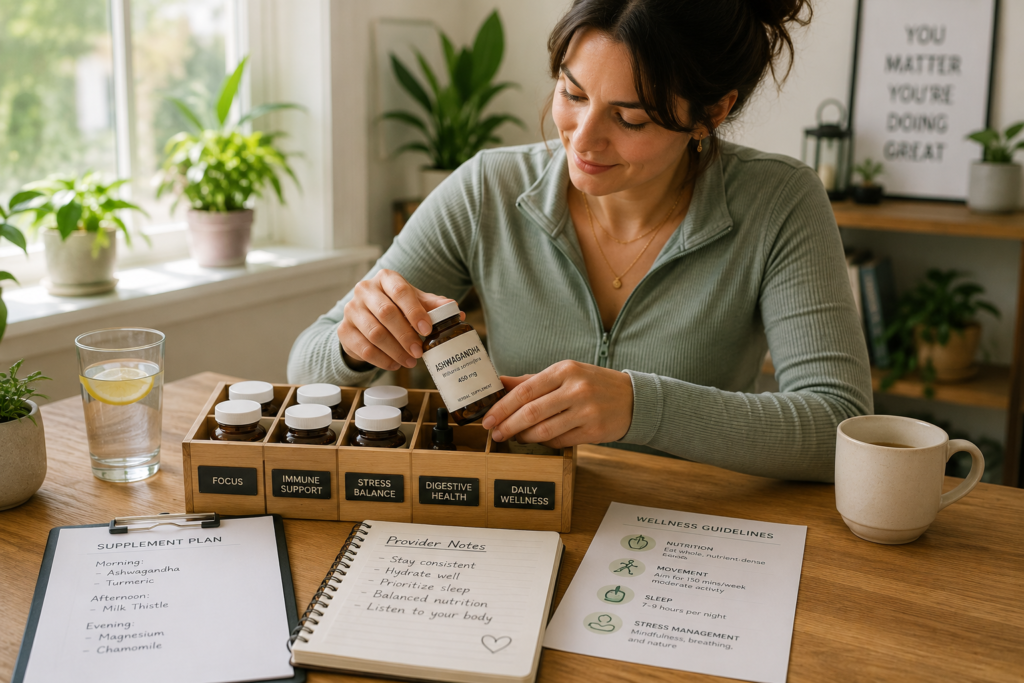
Herbal products can play a role in many wellness routines, but they should be approached thoughtfully. Because herbs can affect the body in significant ways, professional guidance is an important step toward safe and effective use.
Consulting a healthcare professional before using herbal products allows you to identify potential risks, avoid harmful interactions, choose quality products, and receive recommendations tailored to your specific health needs.
Key Takeaways
Herbal remedies may offer valuable wellness benefits, but informed decision-making is essential. Before adding any herbal supplement, extract, tea, or topical treatment to your routine, speak with a qualified healthcare professional.
A simple consultation can provide peace of mind, improve safety, and help you make choices that support your long-term health and well-being.