
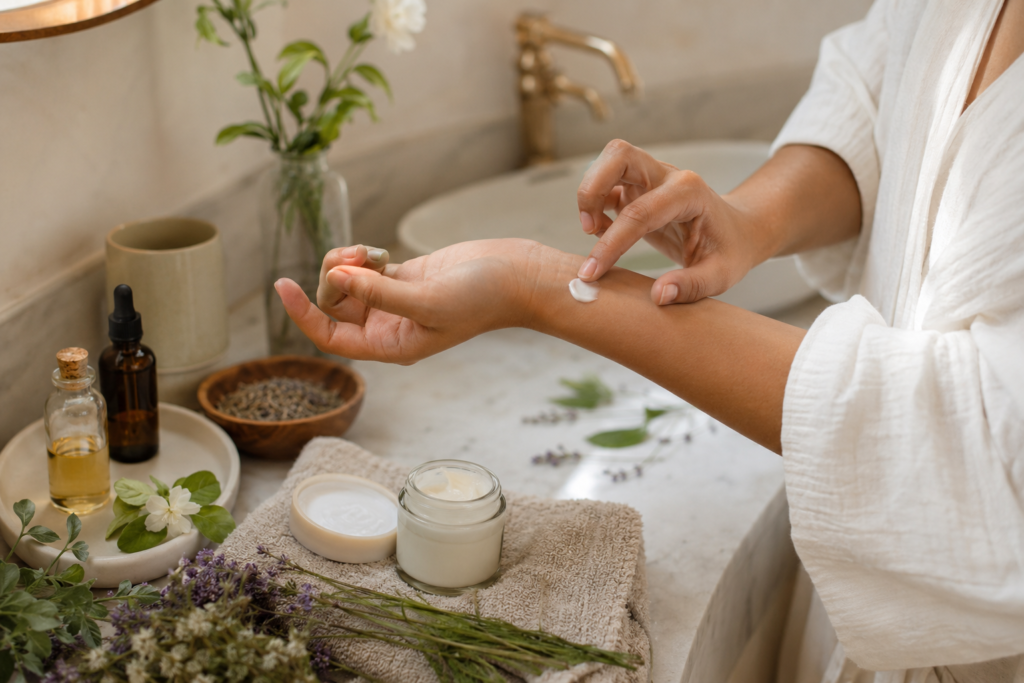
Natural skincare has become a favorite choice for people who want gentler, plant-based, and more mindful beauty routines. From botanical oils and herbal balms to clay masks and fruit-enzyme exfoliants, natural products can offer wonderful benefits for the skin. But “natural” does not automatically mean “risk-free.”
Even ingredients that come from plants, flowers, fruits, nuts, or minerals can trigger irritation or allergic reactions in some people. That is why patch testing matters before trying any new natural skincare product. It is a simple habit that can protect your skin, save you from discomfort, and help you build a routine that truly works for you.
What Is Patch Testing?
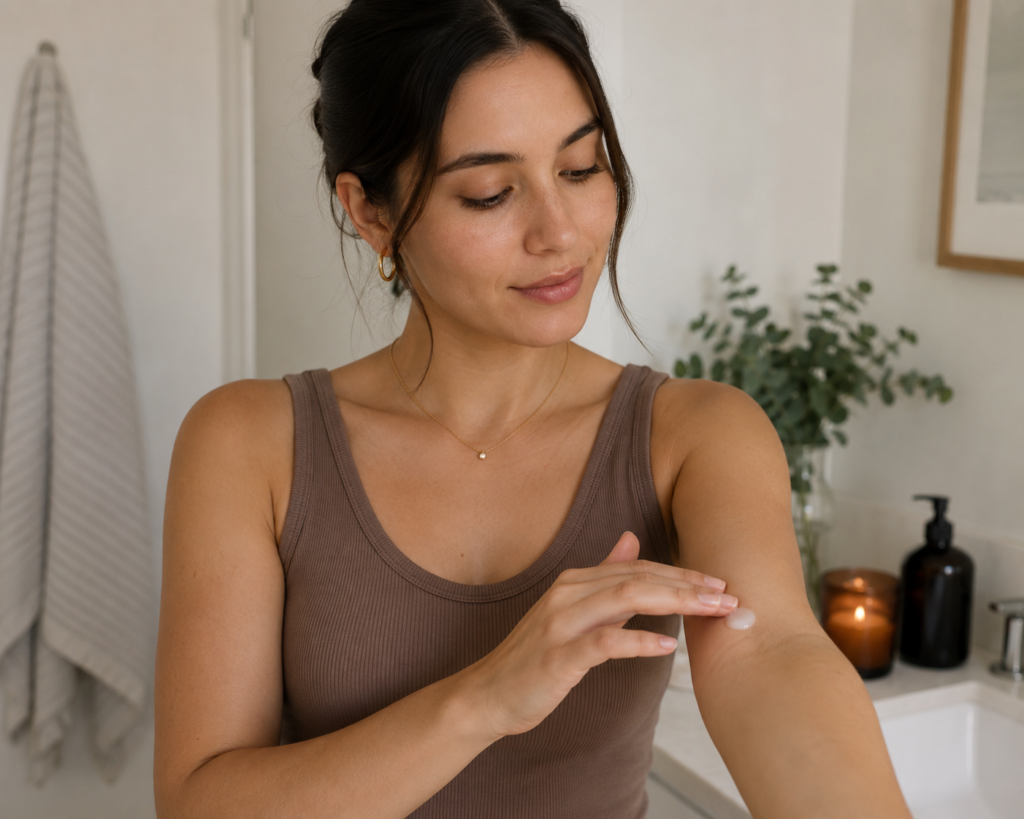
Patch testing is the process of applying a small amount of a new skincare product to a discreet area of skin before using it more widely. Common areas include the inner forearm, behind the ear, or along the jawline.
The goal is to see how your skin responds before the product touches more sensitive or visible areas, especially your face. If redness, itching, burning, swelling, bumps, or irritation appear, the product may not be right for your skin.
Think of it as a small safety check before making a bigger commitment.
Why Natural Skincare Can Still Cause Reactions
Natural skincare often includes ingredients such as essential oils, botanical extracts, nut oils, herbs, fruit acids, clays, and plant butters. While many of these ingredients can be beneficial, they can also be active and potent.
For example, tea tree oil may help oily or blemish-prone skin, but it can feel too strong for sensitive skin. Citrus extracts may brighten the appearance of dull skin, but they can also cause irritation for some users. Nut-based oils, such as almond oil, may be nourishing but unsuitable for people with certain allergies.
Your skin is personal. What works beautifully for one person may cause redness or breakouts for another. Patch testing helps you avoid assuming that a natural ingredient is automatically compatible with your skin.
Common Natural Ingredients That May Need Extra Caution
Some natural skincare ingredients are more likely to cause sensitivity, especially when used in concentrated formulas. These may include essential oils, fragrance blends, exfoliating fruit enzymes, cinnamon, citrus oils, peppermint, eucalyptus, and some herbal extracts.
This does not mean these ingredients are “bad.” It simply means your skin deserves a careful introduction.
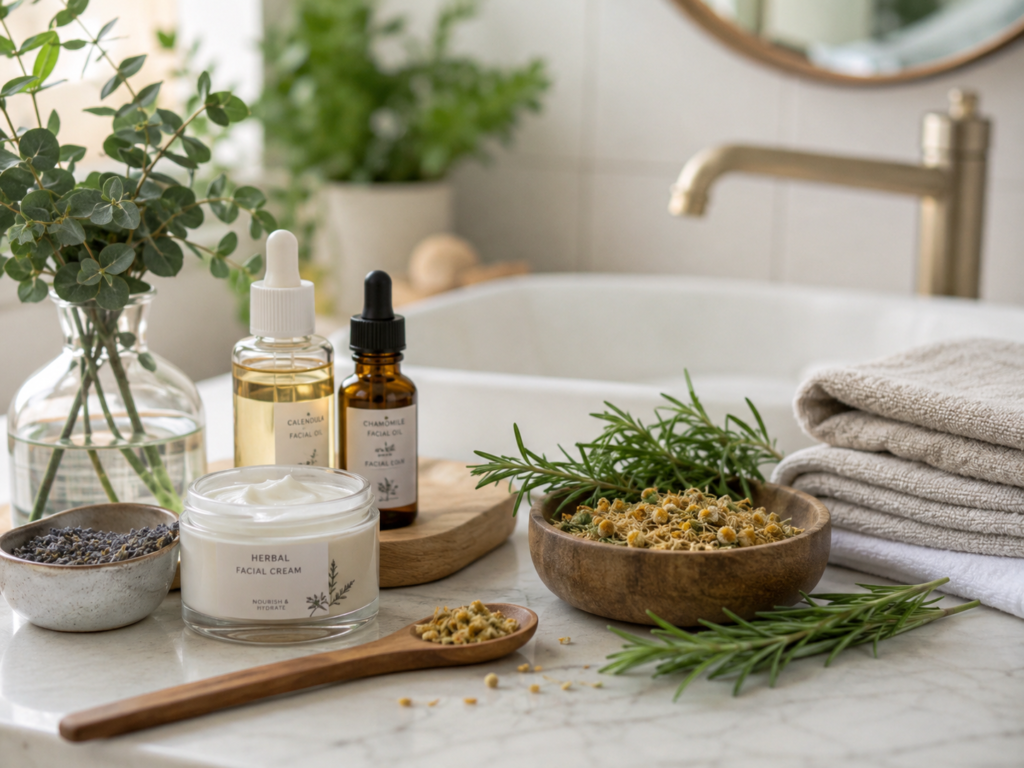
The Benefits of Patch Testing New Skincare Products
Patch testing may feel like an extra step, but it offers several everyday benefits.
First, it helps reduce the risk of irritation. Instead of discovering a reaction after applying a product all over your face, you can spot potential problems on a smaller area.
Second, it can help identify allergies or sensitivities. If a product causes itching, swelling, or a rash during a patch test, that is a clear sign to avoid using it more broadly.
Third, it protects your skin barrier. Using a product that is too harsh for your skin can lead to dryness, stinging, flaking, or increased sensitivity. Patch testing allows you to be more intentional and gentle with your routine.
Finally, it saves time and money. If a product does not suit your skin, it is better to know before fully incorporating it into your skincare routine.
How to Patch Test Natural Skincare at Home
Patch testing is easy and does not require special tools. Start by choosing a clean, dry area of skin, such as the inner forearm or behind the ear. Apply a small amount of the product and leave it on, unless the product directions say it must be washed off.
Wait at least 24 hours and observe the area. For people with sensitive or reactive skin, waiting 48 hours can provide a clearer picture. During this time, avoid applying other new products to the same spot.
If the area looks and feels normal, you can try applying the product to a small area of your face, such as the jawline, before using it fully. If your skin reacts at any point, stop using the product.
Watch for These Signs
Pay attention to redness, itching, burning, stinging, bumps, swelling, dryness, peeling, or tenderness. A mild tingle can happen with some active products, but strong discomfort is a warning sign.
When in doubt, rinse the product off and avoid using it again.
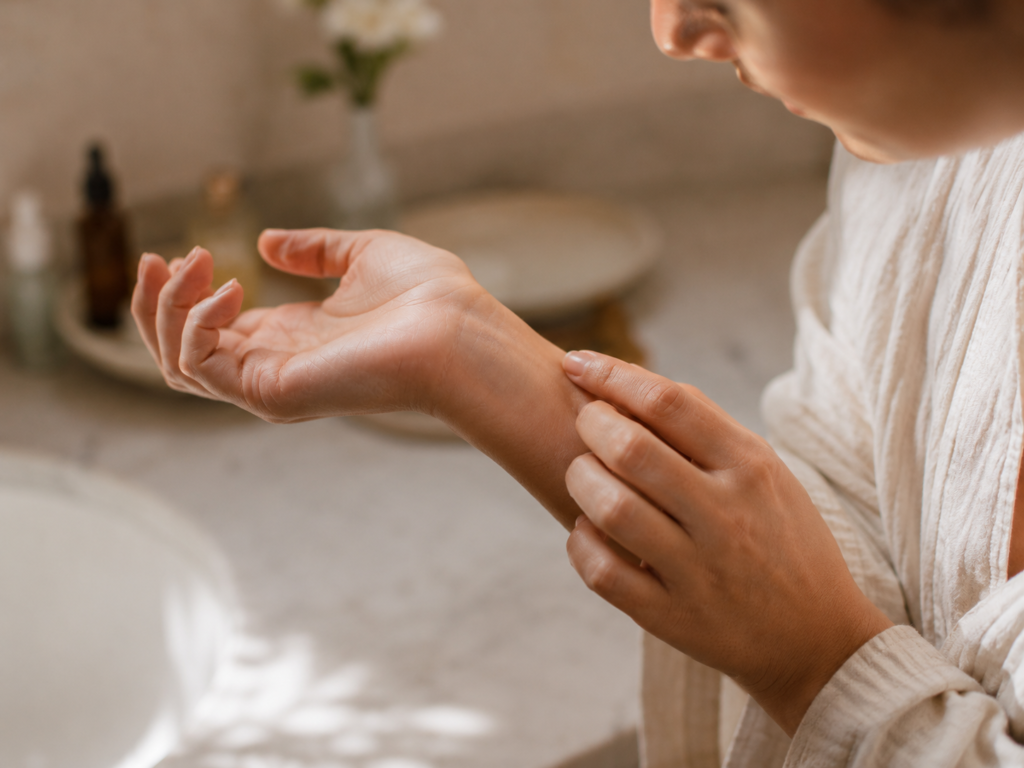
When Patch Testing Is Especially Important
Patch testing is helpful for everyone, but it is especially important if you have sensitive skin, eczema-prone skin, acne-prone skin, rosacea-prone skin, or a history of allergies.
It is also wise to patch test products that contain strong active ingredients, even if they are naturally derived. This includes exfoliating masks, brightening serums, essential oil blends, acne treatments, peels, and concentrated facial oils.
You should also patch tests if you are changing several parts of your skincare routine. Introducing too many new products at once makes it difficult to know which one caused a reaction. Add products one at a time so your skin has a chance to adjust.
Everyday Use Cases for Patch Testing
Patch testing is useful before applying a new face oil, trying a homemade mask, switching to a natural deodorant, using a new body butter, or adding an herbal serum to your routine.
It is also helpful before using seasonal skincare products. For example, a rich balm that works well in winter may feel too heavy in summer. A brightening mask may be fine once a month but too strong when used weekly.
Patch testing gives you practical feedback from your own skin instead of relying only on product claims or online reviews.
Natural Does Not Mean One-Size-Fits-All
One of the biggest skincare myths is that natural products are always gentle. In reality, natural skincare can be powerful, active, and highly concentrated.
A better approach is to treat natural products with the same care you would give any skincare product. Read ingredient lists, follow usage instructions, introduce one product at a time, and listen to your skin.
Patch testing supports a more mindful routine. It encourages you to slow down, pay attention, and choose products based on how your skin actually responds.
Final Thoughts: A Small Step That Protects Your Skin
Patch testing may only take a small amount of product and a little patience, but it can make a big difference. Before trying new natural skincare, this simple step helps you avoid irritation, protect your skin barrier, and feel more confident about what you apply to your face and body.
Natural skincare can be a beautiful part of your self-care routine. Patch testing helps make sure it is also a safe and comfortable one.