
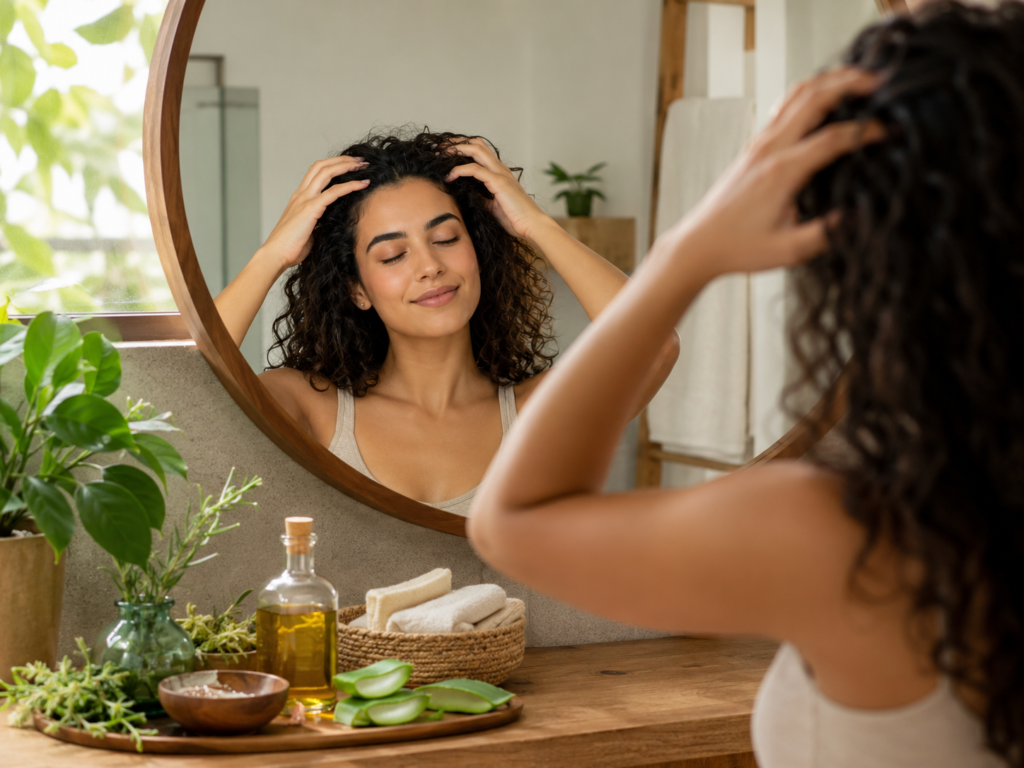
When it comes to achieving stronger, healthier hair, most people focus on the strands: conditioners, masks, oils, and styling products. But the real foundation of beautiful hair begins at the scalp. Your scalp is living skin, and just like the skin on your face, it needs balance, hydration, gentle cleansing, and regular care.
Natural scalp care is about supporting the roots without overwhelming them. By using simple habits, plant-inspired ingredients, and mindful routines, you can help create a healthier environment for hair growth and reduce common concerns like dryness, buildup, itchiness, and excess oil. Whether your hair is curly, straight, textured, fine, thick, natural, color-treated, or somewhere in between, a well-cared-for scalp can make a noticeable difference.
Why Scalp Care Matters for Healthy Hair
Your scalp is where every strand begins. Hair follicles sit beneath the scalp’s surface, and they rely on a healthy environment to function well. When the scalp is dry, irritated, oily, or clogged with buildup, hair may look dull, feel weaker, or become harder to manage.
Scalp care helps support circulation, remove residue, balance oil production, and maintain comfort. It can also make your hair care products work better because they are not sitting on top of layers of buildup. Think of scalp care as skincare for your roots. The goal is not to strip the scalp or treat it harshly, but to keep it clean, calm, and nourished.
Start With Gentle, Consistent Cleansing
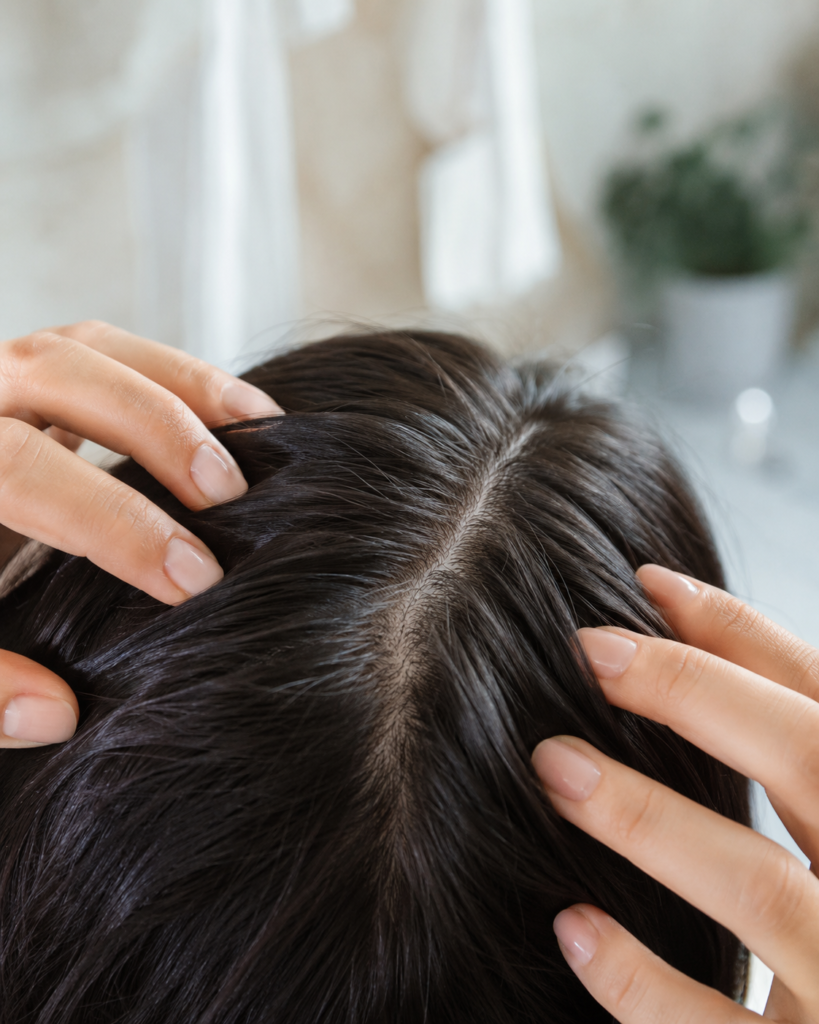
One of the most important natural scalp care tips is to cleanse regularly without over-washing. The right frequency depends on your hair type, lifestyle, and scalp condition. Someone with an oily scalp or frequent workouts may need to wash more often, while someone with dry or textured hair may benefit from fewer wash days.
Choose a gentle cleanser that removes sweat, oil, and product residue without leaving the scalp feeling tight. When washing, focus shampoo on the scalp rather than the ends of the hair. Use your fingertips, not your nails, to massage the cleanser in small circles. This helps lift buildup while being kind to the skin.
Everyday use case: If your roots feel greasy but your ends feel dry, apply shampoo mainly to the scalp and let the rinse water cleanse the lengths. This helps avoid unnecessary dryness while keeping the roots fresh.
Try Scalp Massage for Circulation and Relaxation
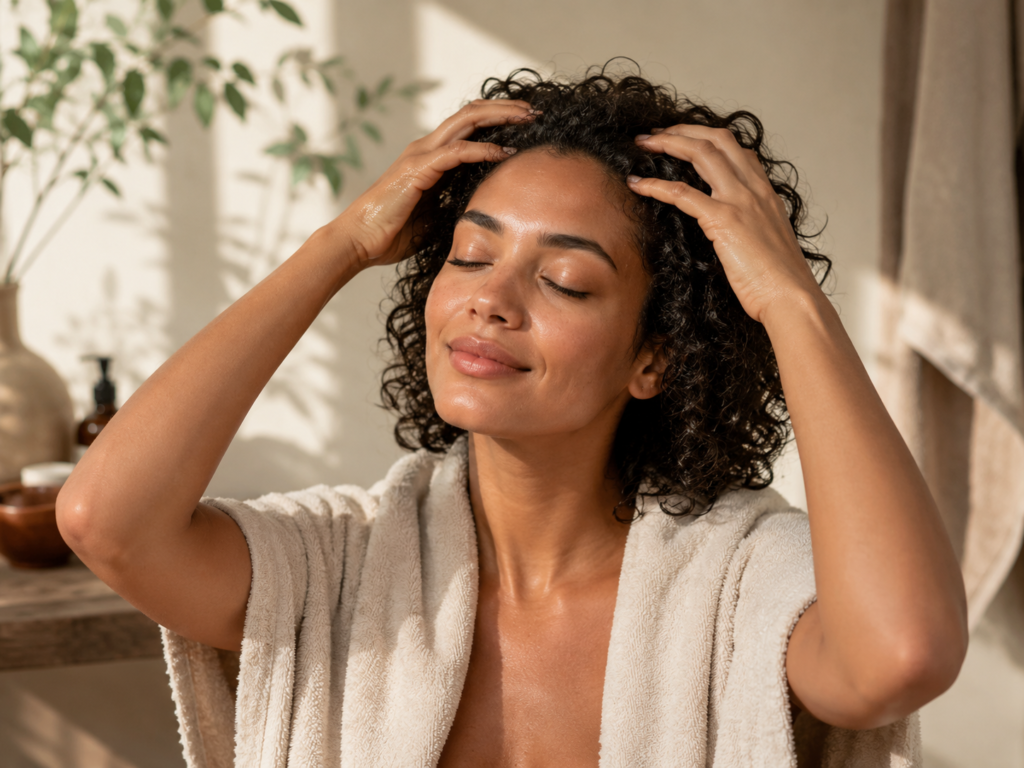
A simple scalp massage can turn an ordinary wash day into a wellness ritual. Massaging the scalp may help stimulate blood flow to the area, ease tension, and distribute natural oils. It also feels soothing, especially after a long day or before bedtime.
You can massage your scalp while shampooing, before washing with a lightweight oil, or on dry hair using clean fingertips. Move slowly and gently. Avoid aggressive rubbing, which can irritate the scalp or tangle the hair.
For an easy routine, spend two to five minutes massaging your scalp once or twice a week. If you use a scalp brush, choose one with soft, flexible bristles and avoid pressing too hard.
Remove Buildup With Natural Scalp Exfoliation
Just like facial skin, the scalp can collect dead skin cells, sweat, sebum, dry shampoo, styling creams, and environmental residue. Over time, buildup can make hair look flat, oily, or dull. Gentle exfoliation can help refresh the scalp and improve the feel of your hair.
The key word is gentle. Harsh scrubs, sharp particles, or frequent exfoliation can cause irritation. Look for mild scalp exfoliants or use soft massage techniques to loosen buildup. For many people, exfoliating once every one to two weeks is enough.
If your scalp is sensitive, flaky, inflamed, or very itchy, it is best to avoid rough exfoliation and consult a dermatologist or qualified hair care professional. Natural does not always mean suitable for every scalp, especially if irritation is already present.
Use Oils Thoughtfully, Not Excessively
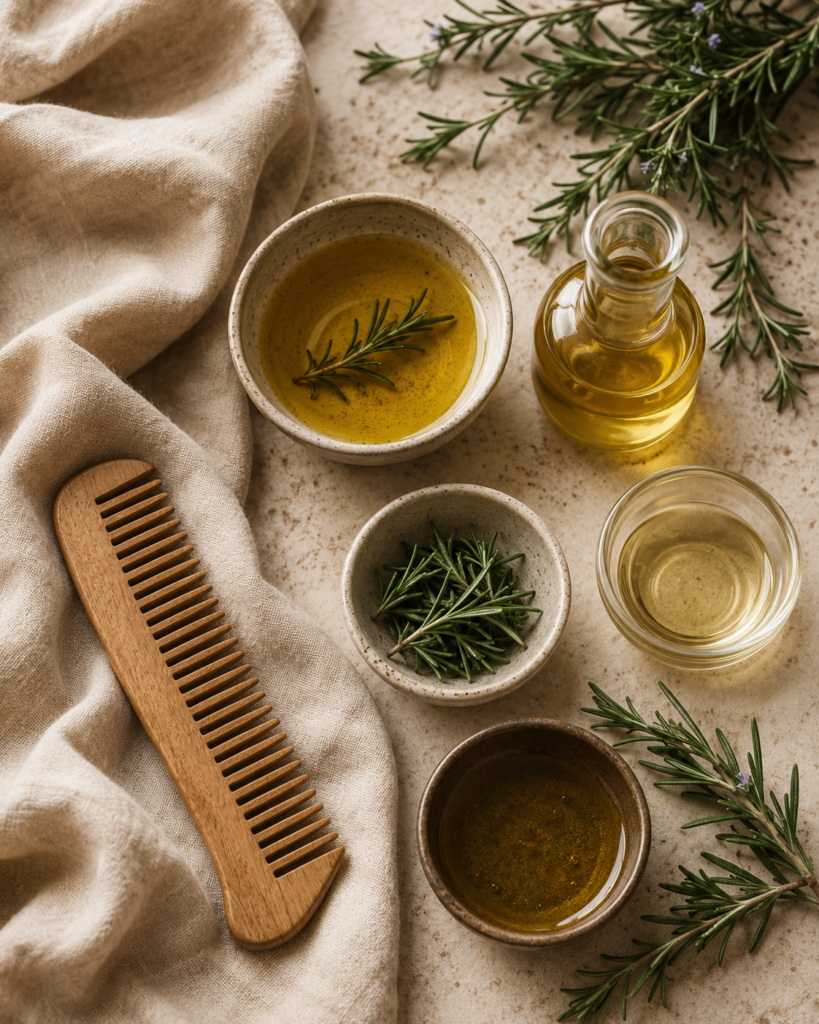
Natural oils are popular in scalp care, but more is not always better. Lightweight oils can help soften dryness, support a relaxing pre-wash massage, and add comfort to tight or flaky areas. However, heavy oiling too often may trap buildup or make the scalp feel greasy.
Common options include jojoba oil, coconut oil, argan oil, olive oil, and rosemary-infused oils. Jojoba is often appreciated because it feels light and resembles the skin’s natural sebum. Coconut oil may work well for some hair types but can feel heavy for others. Essential oils should always be diluted properly and patch tested before use.
Everyday use case: Before wash day, apply a small amount of oil to the scalp, massage gently, leave it on briefly, then shampoo thoroughly. This can help nourish the scalp without leaving residue behind.
Hydrate From the Inside and Outside
A dry scalp is not always caused by external products. Weather, dehydration, hot showers, harsh cleansers, and indoor heating can all affect scalp comfort. Supporting hydration from both inside and outside can help maintain balance.
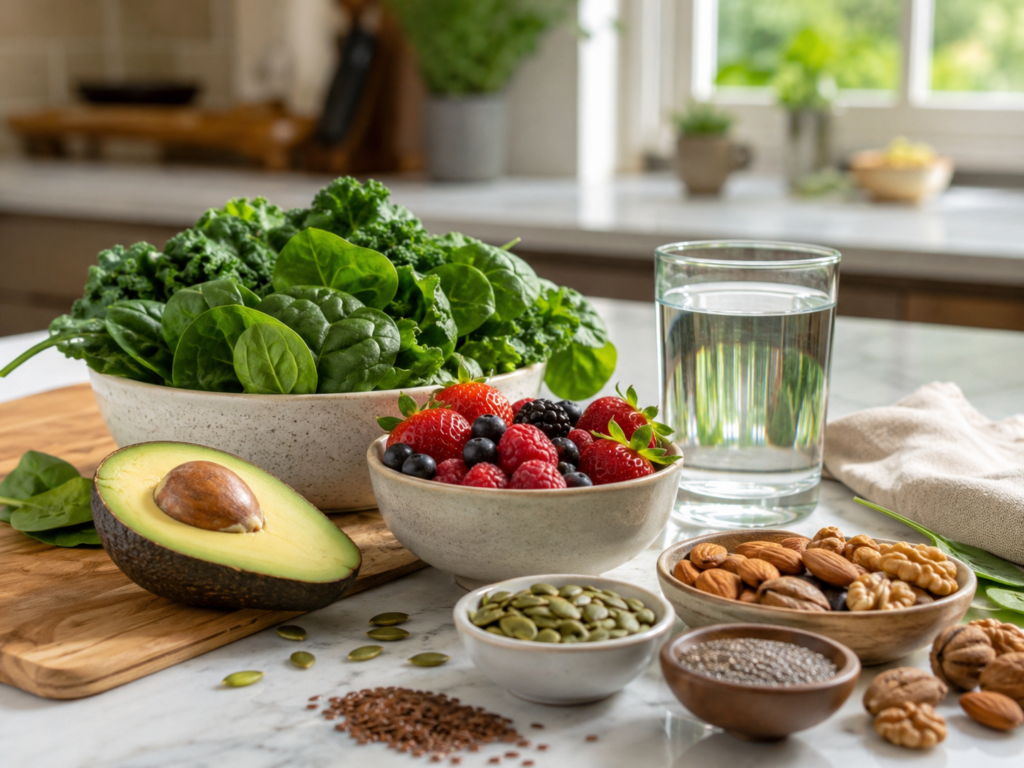
Drink enough water throughout the day, especially if you are active or live in a warm climate. Use lukewarm water when washing your hair, since very hot water can make the scalp feel dry and tight. After cleansing, consider lightweight leave-in hydration for your strands, while keeping heavy conditioners away from the scalp if you are prone to oiliness.
You can also protect your scalp from sun exposure by wearing hats, scarves, or protective hairstyles when outdoors for long periods. The scalp is skin, and it can become dry or sun-stressed too.
Eat With Hair and Scalp Health in Mind
Healthy hair is influenced by what happens inside the body. A balanced diet with protein, healthy fats, vitamins, minerals, and antioxidant-rich foods can support overall hair and scalp wellness. Eggs, beans, fish, nuts, seeds, leafy greens, berries, and whole grains can all play a role in a nourishing lifestyle.
This does not mean you need a perfect diet to have healthy hair. Instead, think of food as part of your scalp care routine. Consistent, nutrient-rich meals support your body’s natural ability to maintain strong hair and healthy skin.
If you notice sudden hair shedding, scalp pain, bald patches, or persistent irritation, it is worth speaking with a healthcare provider. Sometimes hair and scalp changes are connected to stress, hormones, deficiencies, allergies, or medical conditions.
Build a Simple Weekly Scalp Care Routine
A natural scalp care routine does not have to be complicated. In fact, the best routine is one you can follow consistently.
Start with a gentle cleanse based on your scalp’s needs. Add a scalp massage once or twice a week. Use a light pre-wash oil only when your scalp feels dry or your routine needs extra nourishment. Exfoliate occasionally if buildup is an issue. Support everything with hydration, balanced meals, stress management, and protective habits.
A sample weekly routine might look like this: massage your scalp before washing, shampoo gently, condition the lengths of your hair, avoid heavy product at the roots, and let your scalp breathe between styles. Once or twice a month, refresh with a mild exfoliating scalp treatment if needed.
Common Scalp Care Mistakes to Avoid
Some hair habits can quietly work against scalp health. Scratching with nails, overwashing with harsh cleansers, applying too much oil, sleeping with heavy product buildup, or wearing tight hairstyles too often can all create stress on the scalp.
Another common mistake is ignoring early signs of imbalance. Flakes, tenderness, burning, excessive oiliness, or constant itching are signals that your scalp needs attention. Gentle care can help, but persistent symptoms may need professional guidance.
Healthy Hair Begins at the Root
Natural scalp care is one of the simplest ways to support stronger, healthier-looking hair. By treating your scalp with the same care you give your face, you create a better foundation for shine, softness, comfort, and growth.
The most effective approach is gentle and consistent: cleanse well, massage regularly, avoid buildup, use oils wisely, nourish your body, and listen to what your scalp is telling you. With time, these small rituals can help your hair feel healthier from root to tip.