In a world filled with fast routines, digital noise, and endless wellness trends, many people are looking backward to move forward. Ancestral healing is one of the ways modern seekers are reconnecting with older forms of wisdom, tradition, and self-care. It reminds us that wellness is not only about what we apply to our skin or how we organize our schedules. It is also about belonging, memory, nature, and the practices that helped our families and communities survive.
For lifestyle and skincare audiences, ancestral healing offers a meaningful bridge between inner wellness and outer care. It encourages us to slow down, honor natural ingredients, reconnect with daily rituals, and view beauty as something deeply connected to emotional and spiritual balance.
What Is Ancestral Healing?
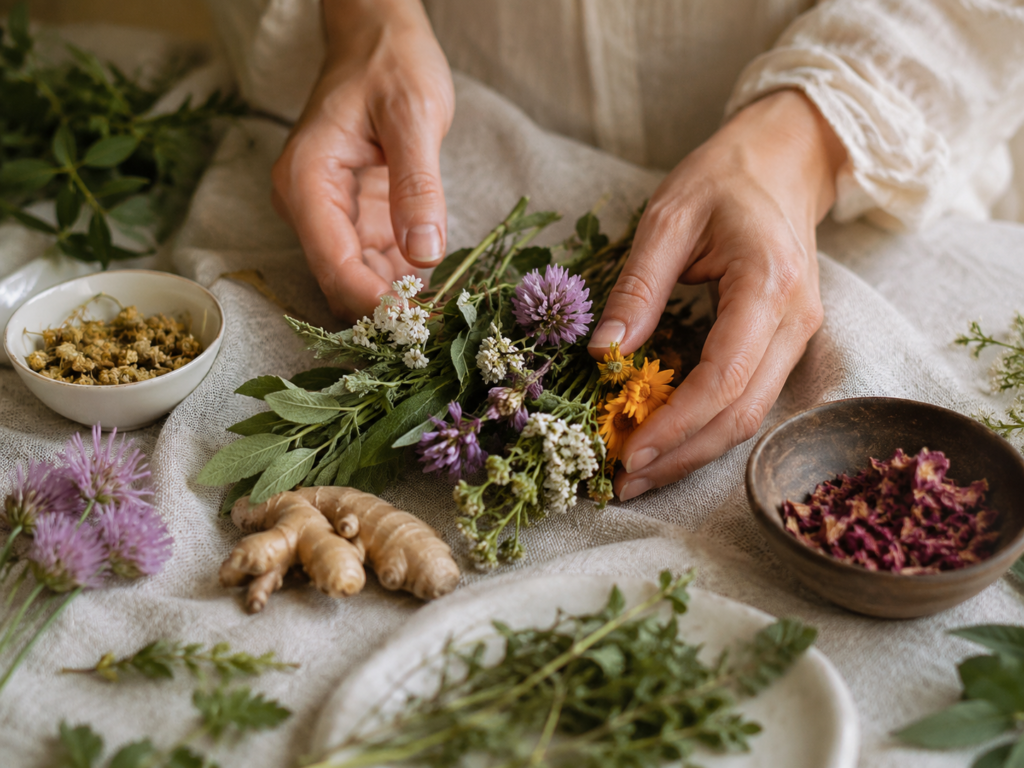
Ancestral healing is the practice of acknowledging, honoring, and learning from the experiences, traditions, and wisdom of those who came before us. It can include cultural rituals, storytelling, food traditions, herbal remedies, spiritual practices, meditation, journaling, or simply reflecting on family patterns with compassion.
At its heart, ancestral healing is about connection. It asks us to consider what we have inherited, not only physically, but emotionally, culturally, and spiritually. Some inherited patterns may feel nourishing, such as recipes, beauty rituals, songs, prayers, or seasonal traditions. Others may feel heavy, such as silence, fear, shame, or unresolved grief. Ancestral healing creates space to honor the good, understand the painful, and choose what we want to carry forward.
Why Ancestral Healing Matters in Modern Wellness
Modern wellness often focuses on individual improvement: better skin, better habits, better sleep, better productivity. Ancestral healing adds another layer. It reminds us that we are not isolated individuals. We come from families, communities, lands, and traditions that shaped how we care for ourselves.
This perspective can be especially powerful in self-care. Instead of seeing wellness as another task to complete, ancestral healing invites us to turn daily care into ritual. Washing your face, preparing tea, massaging oil into your skin, cooking a family recipe, or lighting a candle can become moments of remembrance and grounding.
It also helps people reconnect with cultural identity. For those who feel disconnected from their roots, exploring ancestral practices can bring a sense of belonging. This does not have to be complicated. It may begin with asking elders about traditional remedies, learning about native plants, researching cultural bathing rituals, or recreating a simple meal from childhood.
The Link Between Ancestral Healing and Skincare
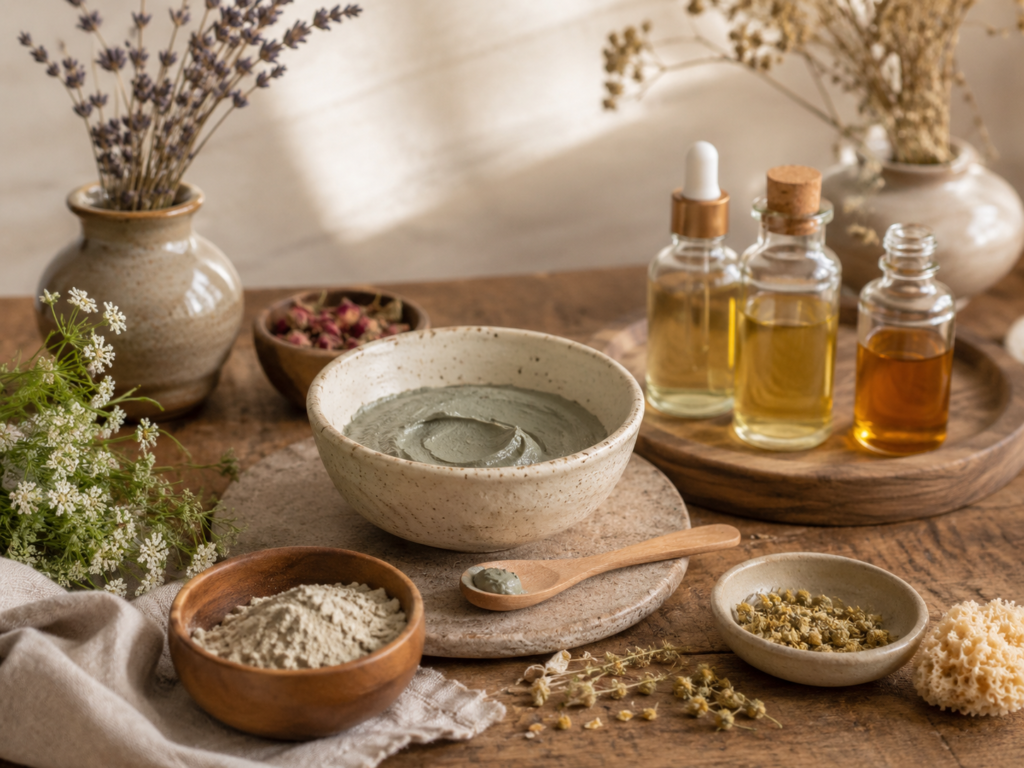
Skincare has always been more than appearance. Across cultures, beauty rituals were often connected to seasons, plants, ceremonies, and community care. Oils, clays, herbs, flowers, grains, and mineral-rich waters were used not only to soften the skin, but to soothe the body and spirit.
Today, ancestral healing can inspire a more mindful skincare routine. Rather than chasing every new product or trend, it encourages us to ask deeper questions. What ingredients have my ancestors used for generations? What natural textures, scents, or rituals make me feel calm? How can I care for my skin in a way that feels less rushed and more intentional?
For example, someone might use a gentle facial massage as a grounding practice, prepare a floral steam inspired by traditional herbal care, or choose simple botanical ingredients that reflect their heritage. The goal is not to romanticize the past or reject modern skincare science. Instead, it is to create a balanced approach that honors both tradition and today’s knowledge.
Practical Ways to Practice Ancestral Healing Every Day
Ancestral healing does not require a formal ceremony or deep historical knowledge to begin. Everyday practices can be simple, personal, and meaningful.
One helpful starting point is storytelling. Speak with older relatives when possible, or write down memories, sayings, recipes, and traditions you already know. Even small details can reveal powerful connections.
Another practice is mindful ritual. Choose one daily habit, such as your morning skincare routine or evening bath, and slow it down. Breathe deeply. Notice the scent, texture, and temperature. Set an intention, such as “I care for myself with kindness” or “I honor where I come from.”
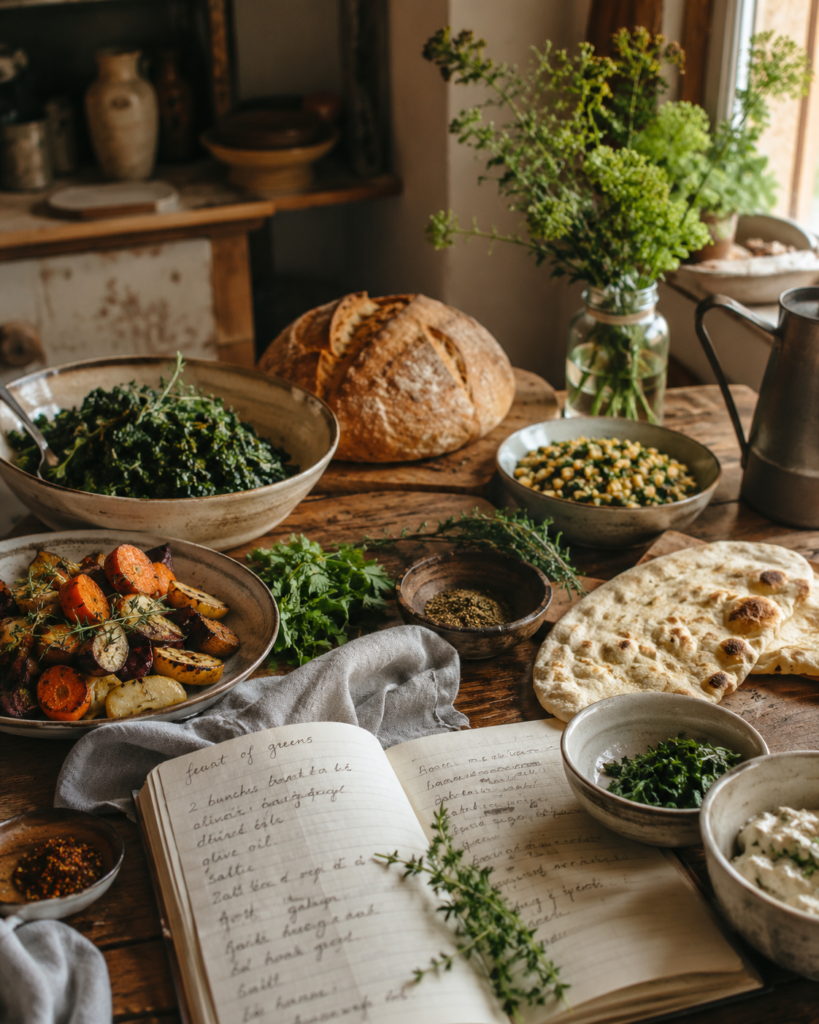
Food can also be a form of ancestral healing. Preparing traditional meals or using familiar spices can awaken memory and comfort. Music, dance, language learning, gardening, and seasonal rituals are other accessible ways to reconnect with your roots.
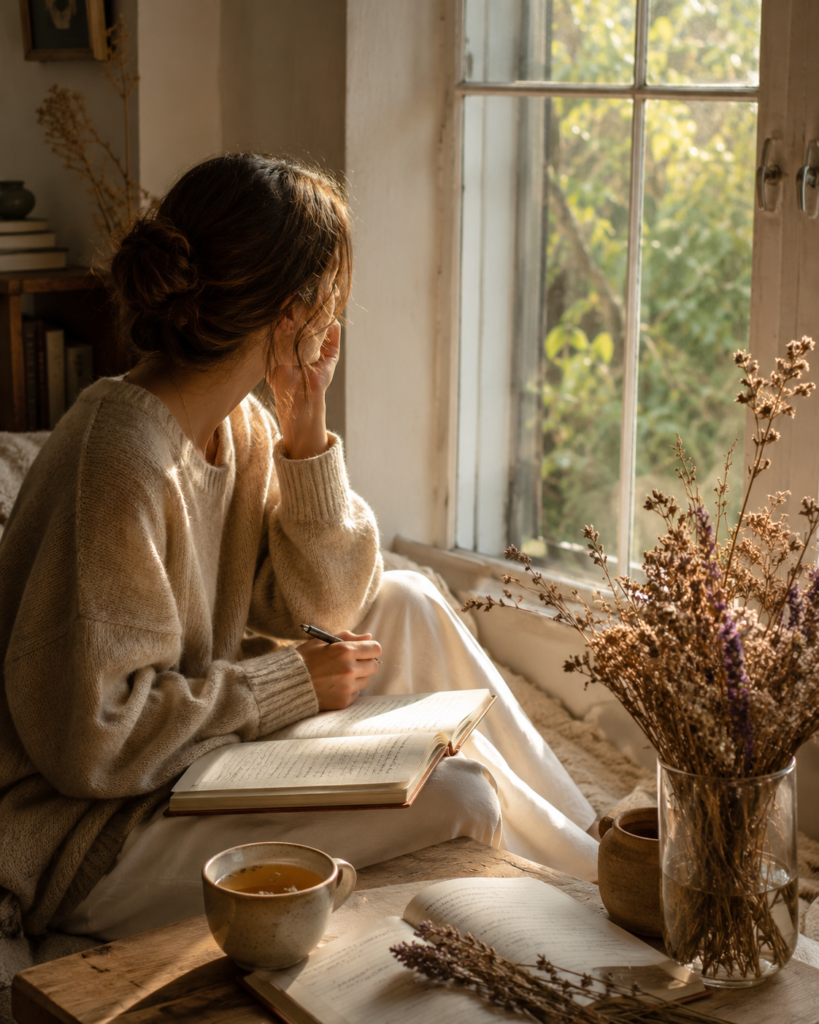
Journaling is especially useful for identifying inherited patterns. You might ask: What beliefs about beauty did I inherit? What did my family teach me about rest? What traditions make me feel proud? What patterns am I ready to release?
Benefits of Returning to the Root
The benefits of ancestral healing can be emotional, spiritual, and practical. Many people find that it helps them feel more grounded and less disconnected. It can also support self-acceptance by placing personal struggles within a larger family or cultural story.
For skincare and beauty, ancestral healing may encourage a gentler relationship with the body. Instead of treating the skin as something to fix, we can see it as something to listen to and care for. This shift can reduce stress around appearance and create more nourishing routines.
Ancestral healing can also inspire more sustainable choices. Many traditional wellness practices are rooted in respect for nature, seasonal living, and using what is available with care. This can guide us toward simpler routines, less waste, and more appreciation for natural ingredients.
Everyday Use Cases for Ancestral Healing
Ancestral healing can fit naturally into many areas of modern life. In your morning routine, you might use a face oil or herbal mist while reflecting on a family blessing or personal intention. During stressful moments, you might ground yourself with a song, scent, or breathing practice connected to your heritage.
In skincare, you might research plant-based ingredients traditionally used in your culture and consider how they can safely complement your current routine. In home life, you might create a small corner with meaningful objects, photos, flowers, or natural elements that remind you of your roots.
For emotional wellness, ancestral healing can help you recognize patterns you no longer want to repeat. This might include perfectionism, silence around emotions, or beliefs about beauty and aging. By naming these patterns, you can begin choosing a softer and more conscious path.

A Gentle Reminder: Honor Without Appropriation
As ancestral healing becomes more popular, it is important to approach it with respect. The most meaningful place to begin is with your own lineage, community, or cultural background. When learning from traditions outside your heritage, seek credible sources, honor the context, and avoid treating sacred practices as trends.
Ancestral healing is not about copying rituals for aesthetics. It is about relationship, reverence, and responsibility. It asks us to move with care.
Coming Home to Yourself
Returning to the root does not mean living in the past. It means gathering wisdom from the past so we can live more consciously today. Ancestral healing teaches us that wellness is not only found in new routines, products, or trends. It can also be found in memory, nature, family stories, traditional ingredients, and quiet moments of reflection.
Whether through skincare, food, journaling, ritual, or rest, ancestral healing invites us to care for ourselves with deeper meaning. It reminds us that we are part of something larger, and that self-care can be both personal and ancestral. In returning to the root, we often discover a more grounded, beautiful, and authentic way forward.