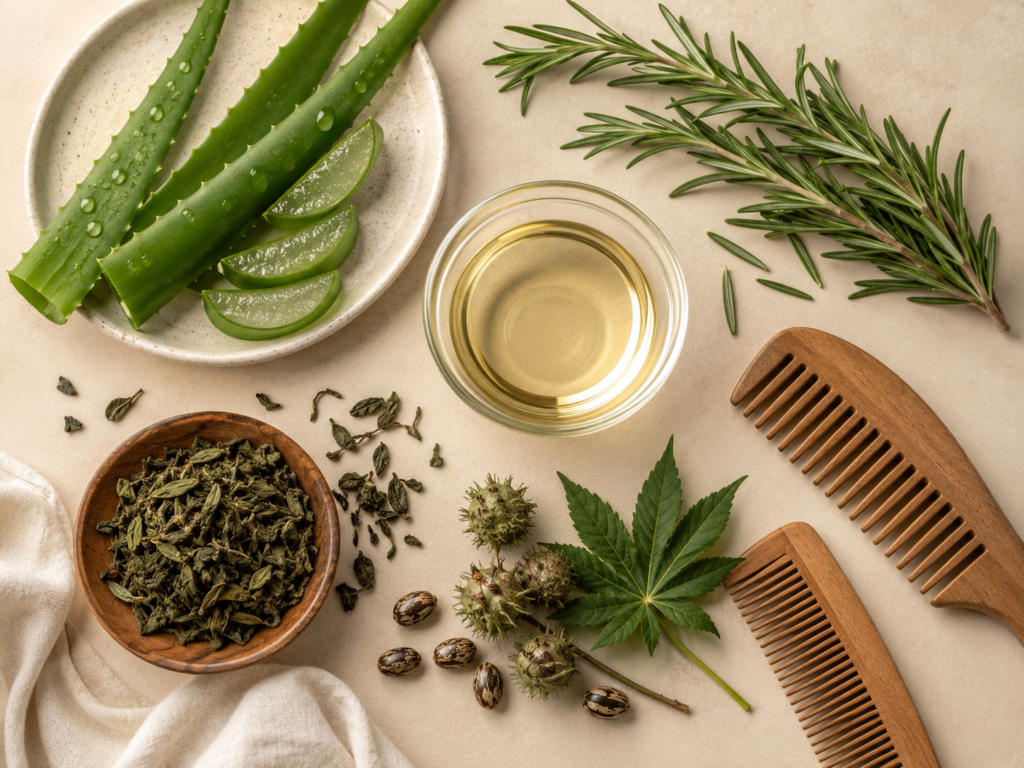
Healthy hair starts at the scalp. While genetics, hormones, nutrition, stress, and overall health all play a role in hair growth, the ingredients you use on your scalp can make a noticeable difference in how your hair looks and feels. Botanical ingredients are especially popular in hair care because they often combine nourishment, soothing benefits, and antioxidant support in one plant-powered package.
From herbal extracts to nutrient-rich oils, the best botanical ingredients for hair growth and scalp health can help create a cleaner, calmer, and more balanced environment for stronger-looking hair. Here are some of the most loved natural ingredients to look for in shampoos, scalp serums, masks, and DIY-inspired routines.
Rosemary: A Classic Botanical for Fuller-Looking Hair
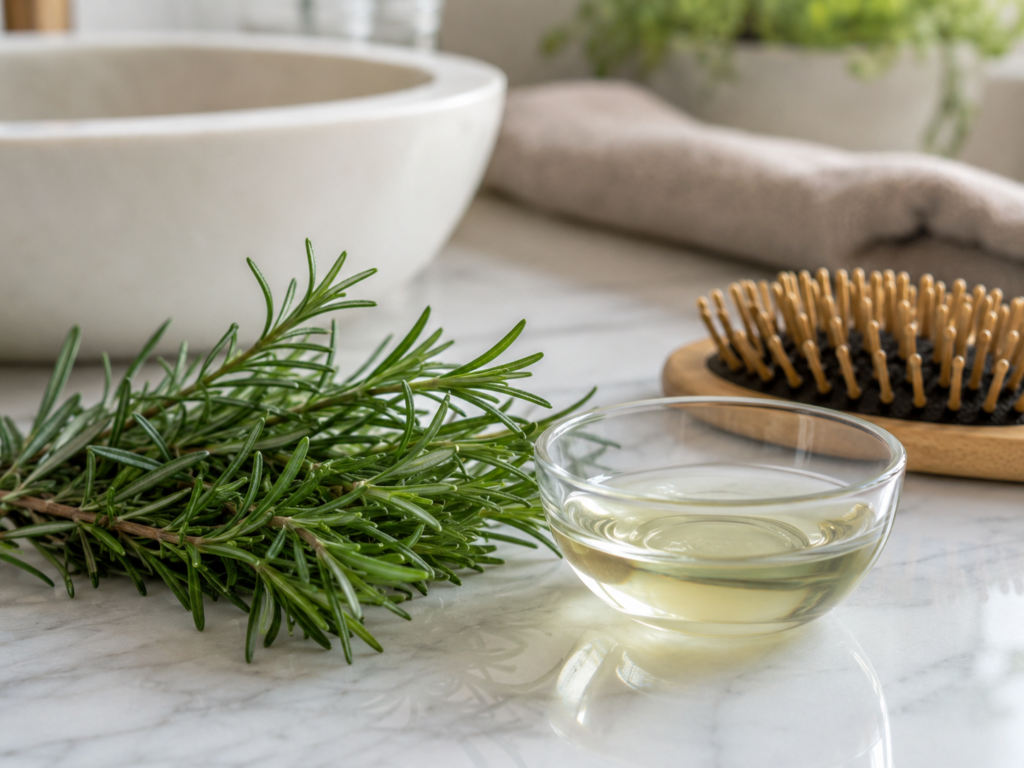
Rosemary is one of the most talked-about botanical ingredients for scalp care, and for good reason. Rosemary oil is often used in hair growth routines because it may help stimulate the scalp, support circulation, and create a refreshing, clean feeling at the roots.
In everyday use, rosemary can be found in scalp oils, pre-shampoo treatments, leave-on scalp serums, and strengthening shampoos. Because essential oils are highly concentrated, rosemary oil should usually be diluted with a carrier oil before being applied directly to the scalp.
For a simple routine, massage a rosemary-infused scalp oil into the roots once or twice a week before washing. The massage itself can also help encourage blood flow and make your hair care ritual feel more relaxing.
Aloe Vera: Soothing Hydration for a Balanced Scalp
Aloe vera is a favorite for sensitive, dry, or irritated scalps. Known for its cooling and hydrating qualities, aloe can help comfort the scalp while adding lightweight moisture. A balanced scalp is important because dryness, tightness, and flakiness can make hair feel dull and uncomfortable.
Aloe vera works especially well in scalp gels, hydrating masks, lightweight conditioners, and soothing leave-in treatments. It is also a useful ingredient for people who want hydration without heavy oils.
For everyday use, look for aloe-based scalp products if your roots often feel dry after shampooing or if your scalp feels uncomfortable during seasonal changes. Aloe can also be helpful after time in the sun, when the scalp may feel warm or tight.
Best For
Dry scalp, mild irritation, lightweight hydration, curly hair routines, and soothing after-wash care.
Castor Oil: Rich Moisture for Stronger-Looking Strands
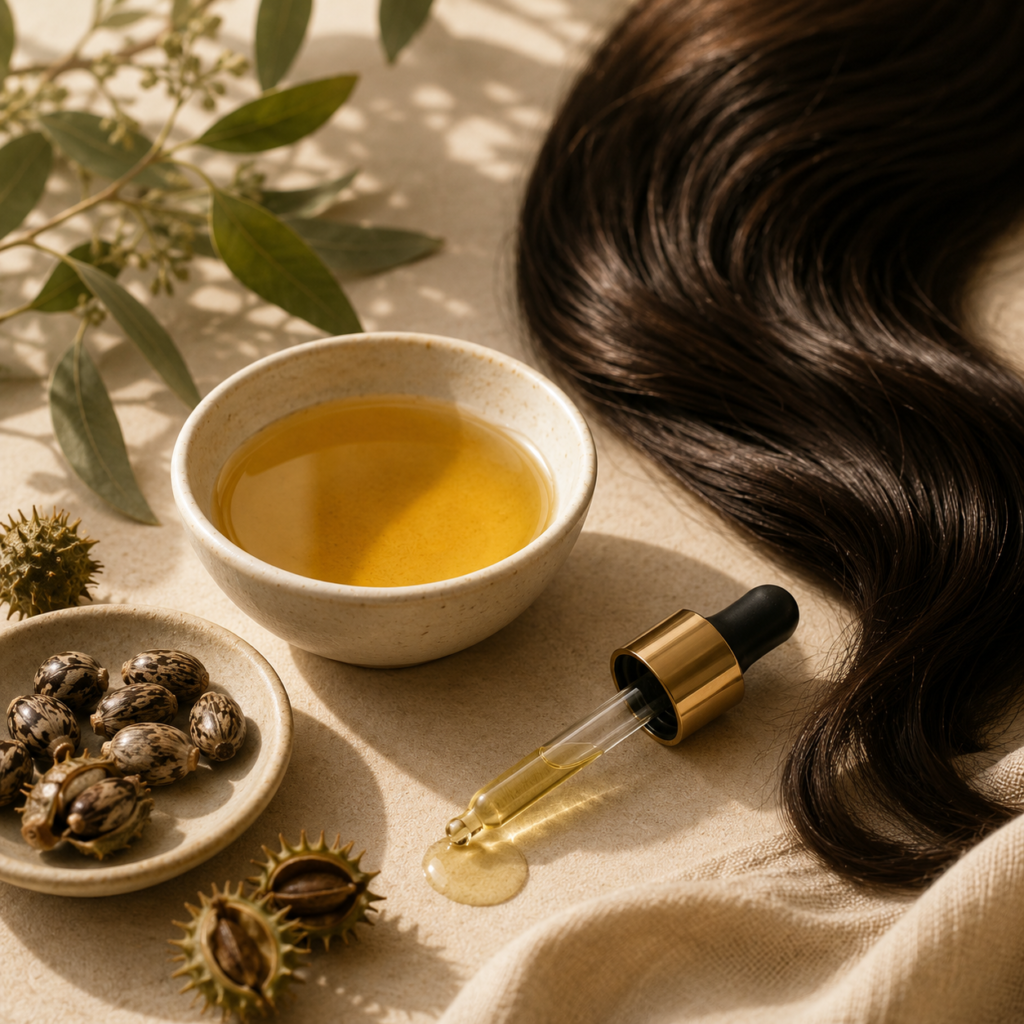
Castor oil is a thick, rich plant oil often used to support the appearance of thicker, shinier hair. While it does not magically grow hair overnight, it can help coat strands, reduce the look of breakage, and nourish dry areas of the scalp.
Because castor oil is heavy, a little goes a long way. It is often best used as a pre-shampoo treatment rather than a daily leave-in, especially for fine or oily hair types. You can apply a small amount to the scalp and edges, leave it on for 20 to 30 minutes, then shampoo thoroughly.
Castor oil is also popular for protective styles, natural hair care, and dry ends. When blended with lighter oils like jojoba or argan, it becomes easier to spread and less likely to weigh hair down.
Peppermint: A Cooling Boost for the Scalp
Peppermint oil gives the scalp a fresh, cooling sensation that many people associate with a clean, energized feeling. It is commonly used in scalp treatments and shampoos designed for oily roots, buildup, or a tired-feeling scalp.
Like rosemary, peppermint essential oil should be diluted before use. It can feel intense if applied too strongly, so sensitive scalps should start slowly. When used properly, peppermint can make scalp massage feel invigorating and refreshing.
Peppermint is a smart choice for people who want a cleaner-feeling scalp between wash days or who enjoy stimulating pre-wash treatments. It pairs well with tea tree, rosemary, and lightweight carrier oils.
Everyday Use Tip
Try a peppermint-infused shampoo or scalp scrub once a week if your roots feel oily, flat, or weighed down by product buildup.
Green Tea: Antioxidant Support for Scalp Wellness
Green tea is rich in antioxidants, making it a helpful botanical for scalp protection and overall hair wellness. Environmental stress, pollution, heat styling, and product buildup can all affect the scalp and hair fiber over time. Antioxidant-rich ingredients like green tea help support a fresher, healthier-looking scalp environment.
Green tea is often found in scalp tonics, lightweight sprays, shampoos, and conditioners. It is especially appealing for people who want a gentle botanical ingredient that feels clean, modern, and non-greasy.
You can also look for green tea in formulas designed for oily or combination scalps. Its lightweight nature makes it easy to include in regular routines without making hair feel heavy.
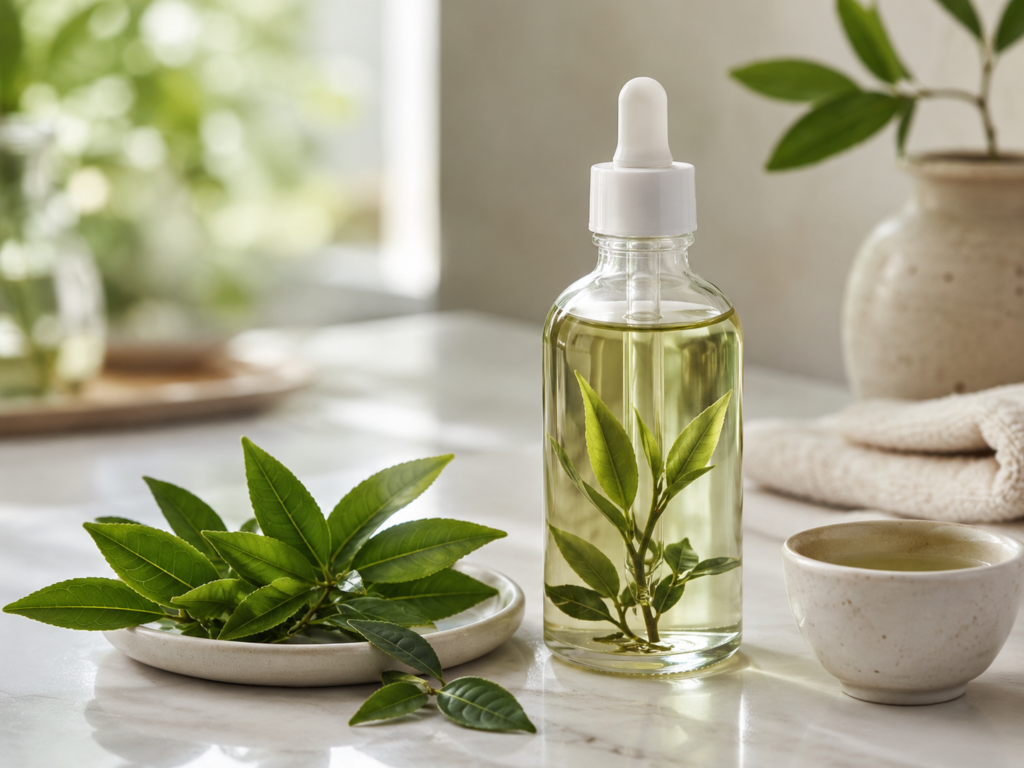
Tea Tree: Clarifying Care for Flaky or Oily Scalps
Tea tree is a popular botanical ingredient for clarifying scalp care. It is commonly used in shampoos and scalp treatments aimed at reducing the feeling of buildup, excess oil, and flakes. For people who use styling products often, tea tree can help the scalp feel cleaner and more refreshed.
However, tea tree oil can be strong. It is best used in properly formulated products or diluted blends rather than applied directly to the scalp. If your scalp is very sensitive, patch testing is a smart step before using tea tree treatments regularly.
Tea tree works well as part of a weekly reset routine, especially when paired with gentle exfoliation or a clarifying shampoo.
Hibiscus: A Softening Botanical for Shine and Manageability
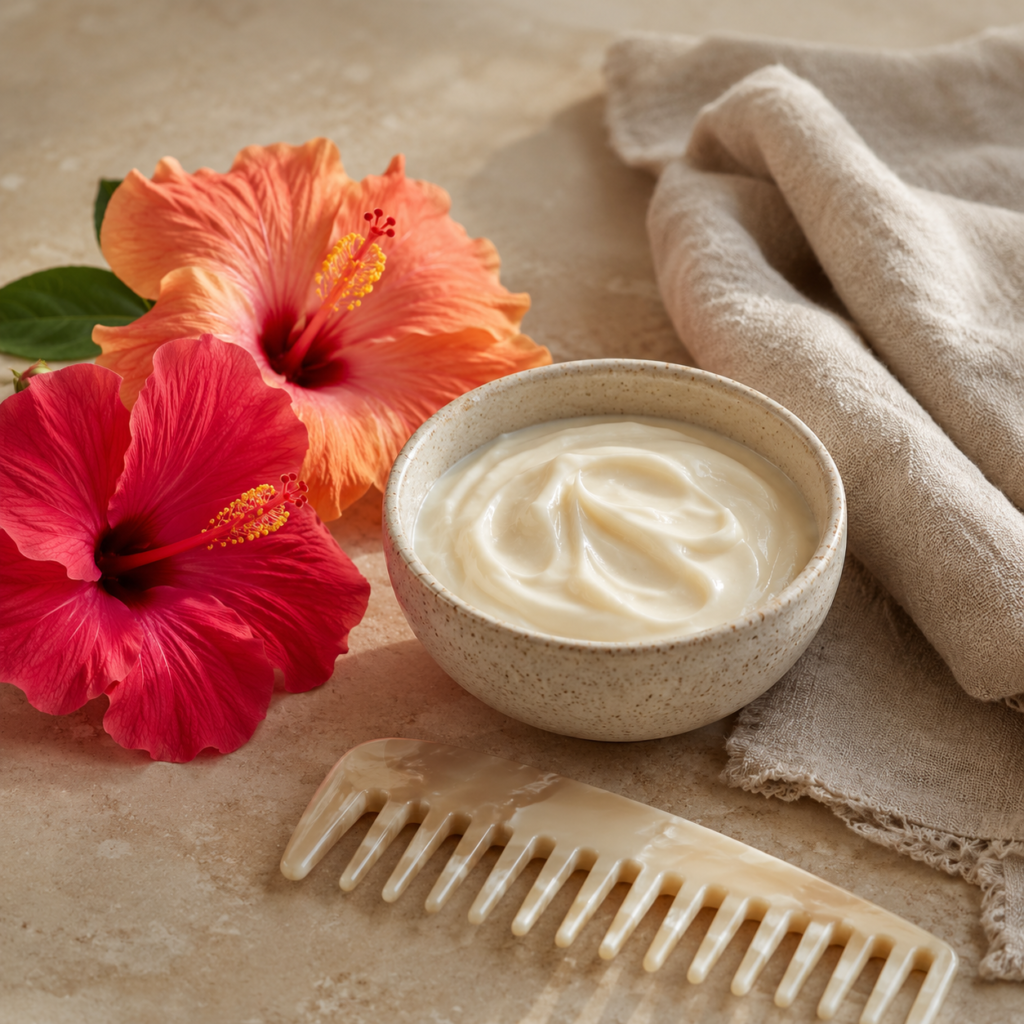
Hibiscus is often used in traditional hair care for its conditioning and softening benefits. Rich in plant compounds and natural acids, hibiscus can help hair look smoother, shinier, and more manageable.
You may find hibiscus in hair masks, herbal powders, conditioners, and leave-in products. It is especially loved in routines for dry, textured, curly, or frizz-prone hair. While hibiscus is not a quick fix for hair growth, it can support length goals by helping reduce the look and feel of dryness and breakage.
How to Add Botanicals to Your Hair Care Routine
The best botanical ingredients for hair growth and scalp health work best when used consistently and realistically. Start with one or two ingredients that match your main concern. For dryness, try aloe vera or castor oil. For buildup, consider tea tree or peppermint. For scalp stimulation, rosemary is a strong choice. For antioxidant support, green tea is easy to use regularly.
Avoid overloading your scalp with too many oils or treatments at once. More product does not always mean better results. A simple weekly scalp massage, a gentle shampoo, and a nourishing mask can be enough to support healthier-looking hair over time.
Key Takeways
Botanical ingredients can be a beautiful addition to a scalp-first hair care routine. Rosemary, aloe vera, castor oil, peppermint, green tea, tea tree, and hibiscus each offer unique benefits, from soothing dryness to refreshing the roots and supporting stronger-looking strands.
For best results, choose ingredients based on your scalp type, use them consistently, and be gentle with your hair. Healthy hair growth is a long-term process, but a balanced botanical routine can make the journey feel more nourishing, natural, and enjoyable.