In a world full of fast solutions, trending ingredients, and complicated routines, there is something deeply comforting about the old ways. Across cultures and generations, people relied on simple healing practices rooted in observation, ritual, nature, and consistency. These traditions were not always flashy, but many were thoughtful, practical, and deeply connected to everyday life.
That does not mean every old remedy should be copied without question. But it does mean there is value in remembering how people cared for themselves before wellness became a product category. From herbal infusions to rest, touch, and time outdoors, many traditional healing practices still offer something useful for modern lifestyles.
Why Old Healing Practices Still Matter
The appeal of traditional healing practices is not just nostalgia. Many old wellness habits were built around slowing down, paying attention, and using what was available in daily life. Instead of trying to do everything at once, these practices often focused on small, repeatable actions that supported comfort, balance, and resilience over time.
For lifestyle and skincare audiences, this approach feels especially relevant now. When routines become overwhelming, older practices can remind us that healing does not always need to be complicated to be meaningful.
Herbal Remedies and Kitchen-Based Care
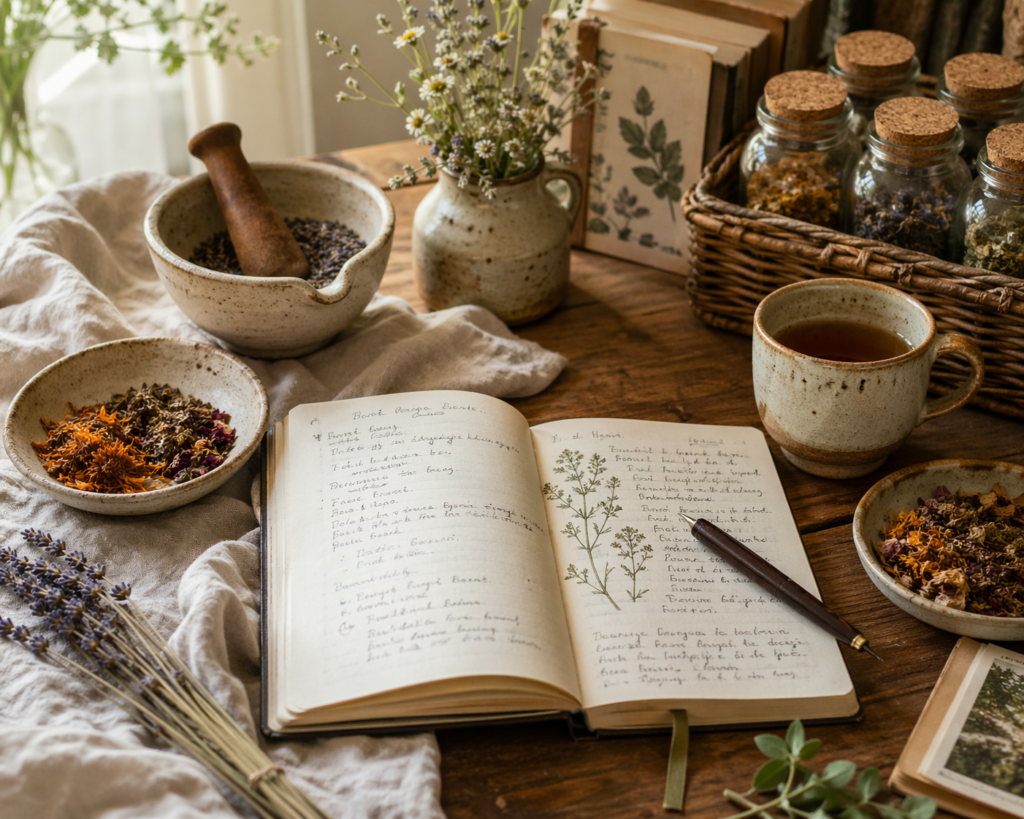
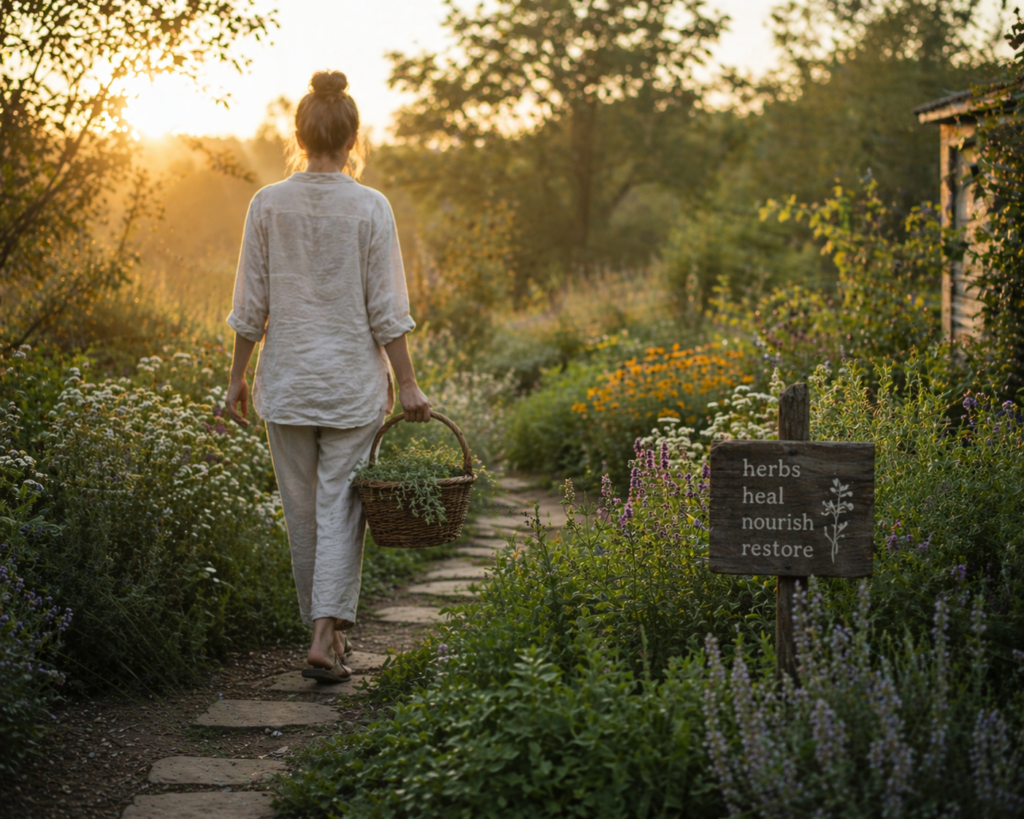
One of the most remembered old ways of healing is the use of herbs, roots, flowers, and simple food-based remedies. Long before wellness stores sold tinctures and powders, many households kept familiar ingredients on hand for tea, steam, compresses, or soothing baths.
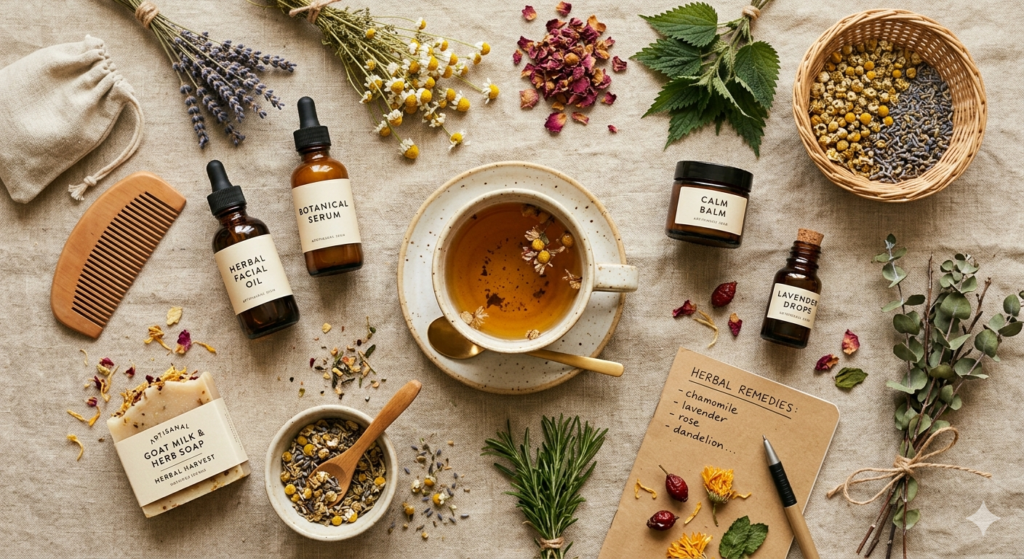
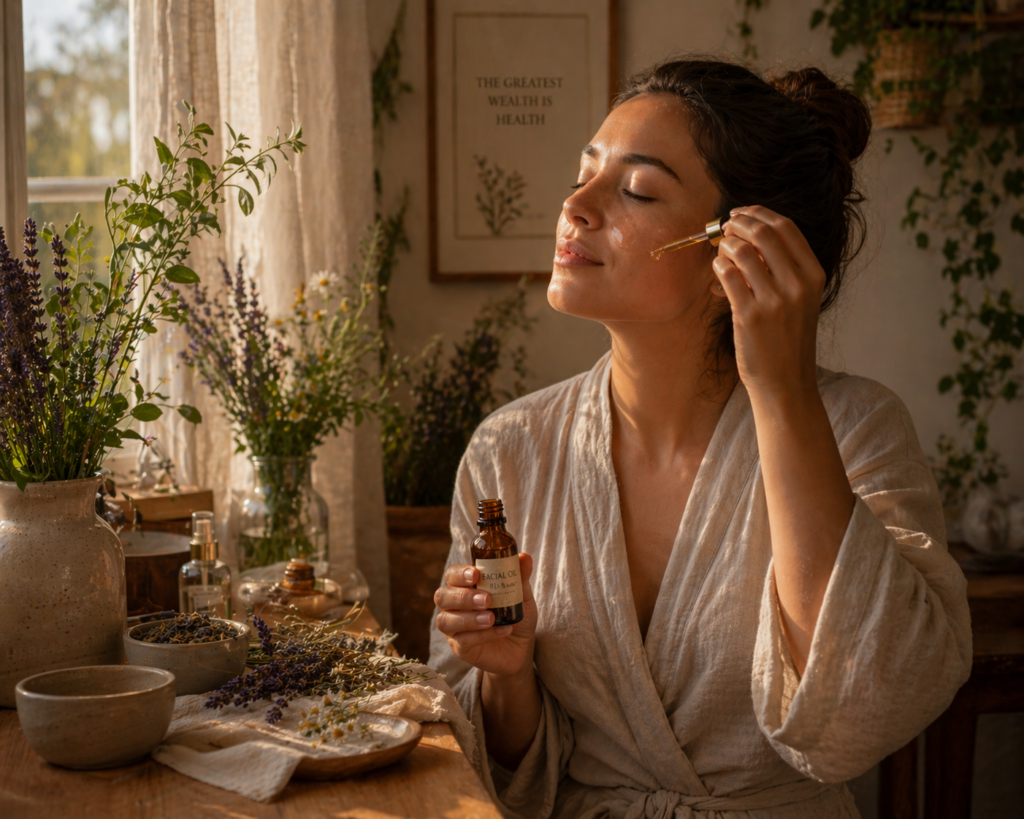
Herbal infusions made with chamomile, mint, ginger, calendula, or rosemary have been part of traditional care in many places for generations. In everyday life, these kinds of rituals still feel accessible. A warm ginger tea can become a comforting part of a cold-weather routine. A bowl of facial steam with herbs can turn skincare into a slower, more sensory ritual. A calming bath with botanicals can support rest at the end of the day.
Practical everyday use
The value here is not perfection. It is about using simple plant-based rituals to create moments of care. Even adding an herbal tea to your afternoon or using a soothing botanical soak once a week can make wellness feel more grounded.
Rest as a Healing Practice, Not a Reward
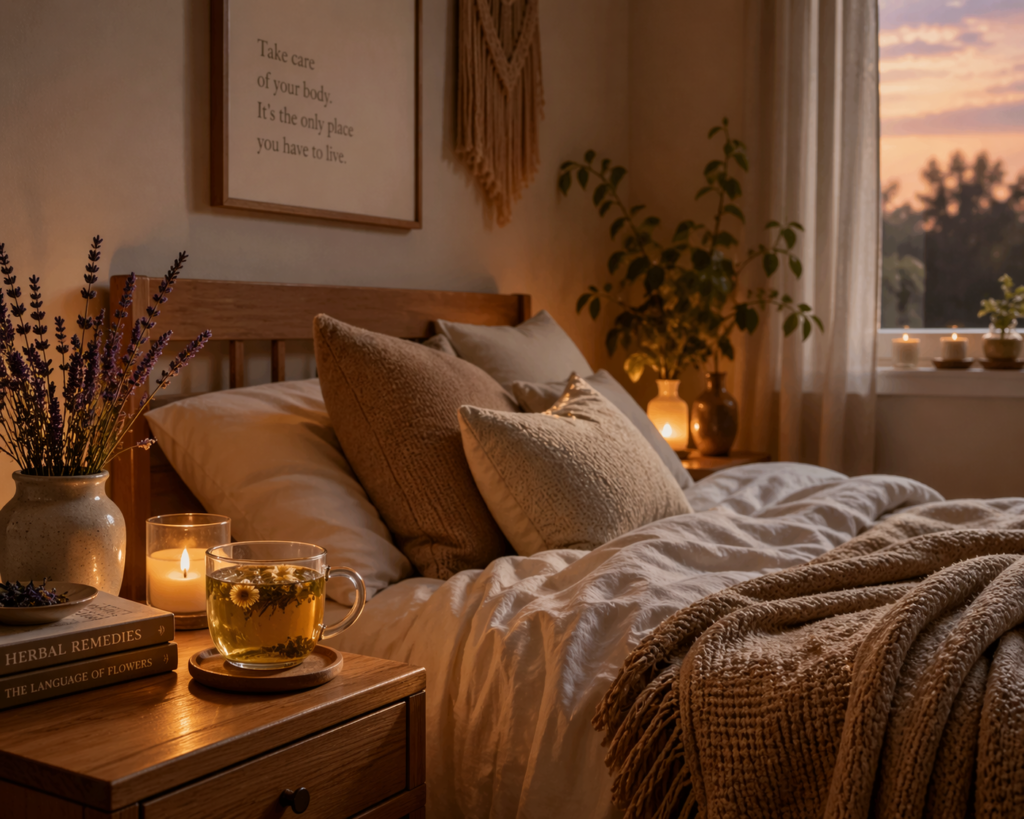
Many old traditions understood something modern life often forgets: rest is part of healing. Recovery was not always seen as laziness or lost time. It was understood as necessary. People rested after illness, after childbirth, after grief, after hard seasons, and even after daily labor.
Today, rest is still one of the most overlooked healing practices worth remembering. Good sleep, quiet time, slower evenings, and intentional breaks all support a healthier rhythm. For skin, mood, and overall wellness, consistent rest can do more than another expensive product ever will.
Practical everyday use
This can look very simple. Going to bed earlier, having one screen-free hour at night, taking a quiet walk instead of multitasking, or protecting one slow morning each week can all bring back some of that older wisdom.
The Healing Power of Warmth, Water, and Touch
Old healing traditions often used warmth and touch in practical ways. Warm compresses, baths, oil massage, foot soaks, and simple body care rituals were common in many cultures. These were not just physical practices. They also created comfort, presence, and connection.
Warm water alone can still be one of the most effective ways to reset after a stressful day. A bath can soften tension. A warm cloth over the face can feel soothing and skin-friendly. A simple body oil massage after showering can nourish dry skin while helping you slow down and reconnect with your body.
Practical everyday use
These rituals work well because they fit easily into ordinary routines. A foot soak before bed, a few minutes of facial massage while applying oil or moisturizer, or a warm towel before cleansing can transform basic self-care into something more restorative.
Nature, Fresh Air, and Daily Rhythm
Older ways of living were often more connected to daylight, seasons, and outdoor life. People spent more time walking, gardening, drying herbs, airing out linens, and noticing the weather. While modern life is different, the healing value of nature is still easy to understand.
Fresh air, sunlight, movement, and time outdoors can help regulate mood, support healthy routines, and create a sense of perspective that indoor, screen-heavy living often disrupts. Even for skincare audiences, this matters. A balanced relationship with the outdoors can support routines that feel more natural and less rushed.
Practical everyday use
This does not have to mean a dramatic lifestyle change. It can mean having your coffee outside, taking a morning walk, opening windows, tending a small herb pot, or spending a few quiet minutes in natural light before starting the day.
Community Care and the Comfort of Being Looked After
Another old healing practice worth remembering is community itself. Healing was not always treated as something private or individual. Meals were brought, elders shared knowledge, care was exchanged, and people often recovered in the presence of others.
That idea still matters. Supportive relationships, shared rituals, and being cared for by others can be deeply healing. In a modern wellness culture that often centers self-optimization, this older truth can feel refreshing: sometimes healing looks like connection, not performance.
Practical everyday use
This may look like checking in on a friend, asking for help when you need it, sharing recipes or remedies across generations, or creating small rituals with family. A cup of tea made by someone else, a thoughtful conversation, or simply being accompanied can be part of wellness too.
What the Old Ways Still Teach Us
The wisdom of old healing practices is not about rejecting modern care. It is about remembering what still holds value: simplicity, consistency, gentleness, and attention. Not every tradition needs to be revived, but many old ways offer something modern routines are missing.
Herbs, rest, warmth, fresh air, touch, and community are not outdated ideas. They are timeless reminders that healing often begins with the basics. When used thoughtfully, they can bring more comfort, intention, and balance into daily life.
Key Takeaways
Healing practices worth remembering are often the ones that bring us back to what is simple and human. The old ways remind us that care can be slow, sensory, practical, and shared. In a busy modern world, that kind of wisdom still feels powerful.
Whether you begin with herbal tea, more rest, a warm bath, or a walk in the morning light, these older rituals can help create a wellness routine that feels less pressured and more rooted in real life.