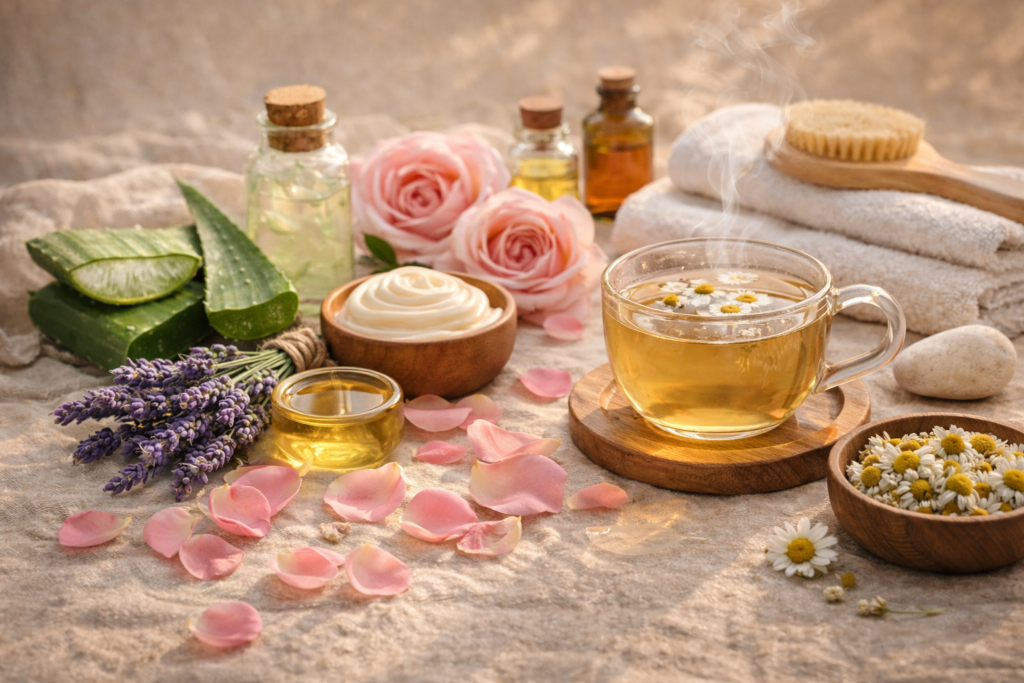
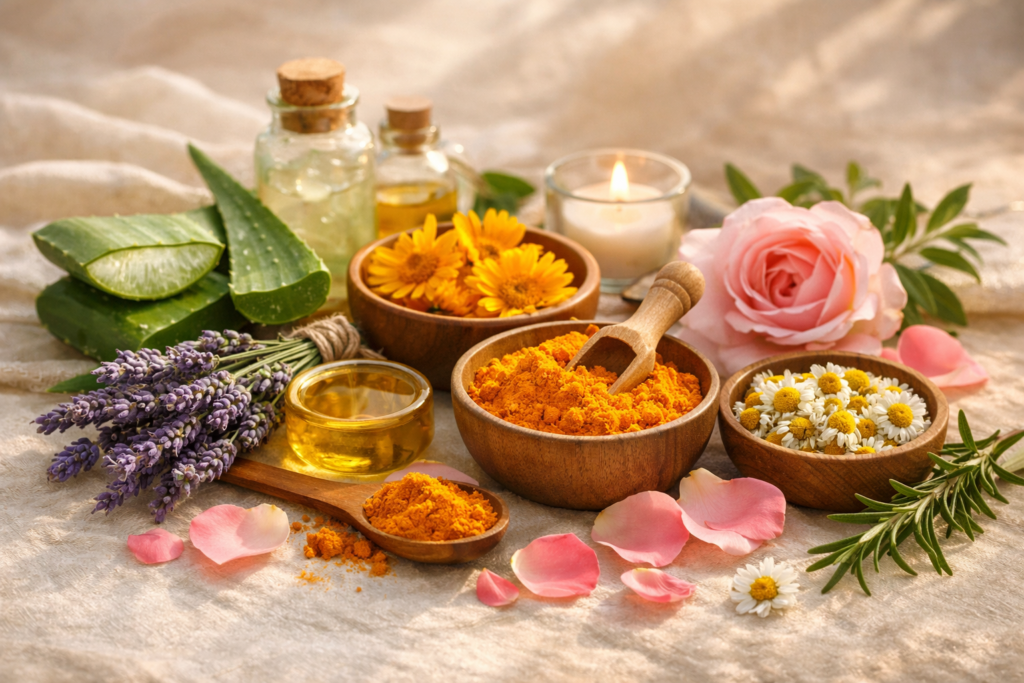
For centuries, botanicals have been woven into everyday rituals of care. Long before modern skincare aisles and wellness trends, people turned to flowers, roots, leaves, and herbs for comfort, beauty, and restoration. Across cultures, these plants were used in teas, balms, baths, oils, and poultices as part of traditional practices meant to soothe the body, calm the mind, and support a sense of well-being.
Today, many of these botanicals still hold a special place in natural beauty and wellness traditions. Their appeal is not only in their fragrance or appearance, but in the ritual they invite. Slowing down to steep a cup of tea, massage in a botanical oil, or prepare a calming bath can be restorative in itself.
Here are seven botanicals traditionally associated with healing, beauty, and restoration.
1. Aloe Vera for Soothing Care
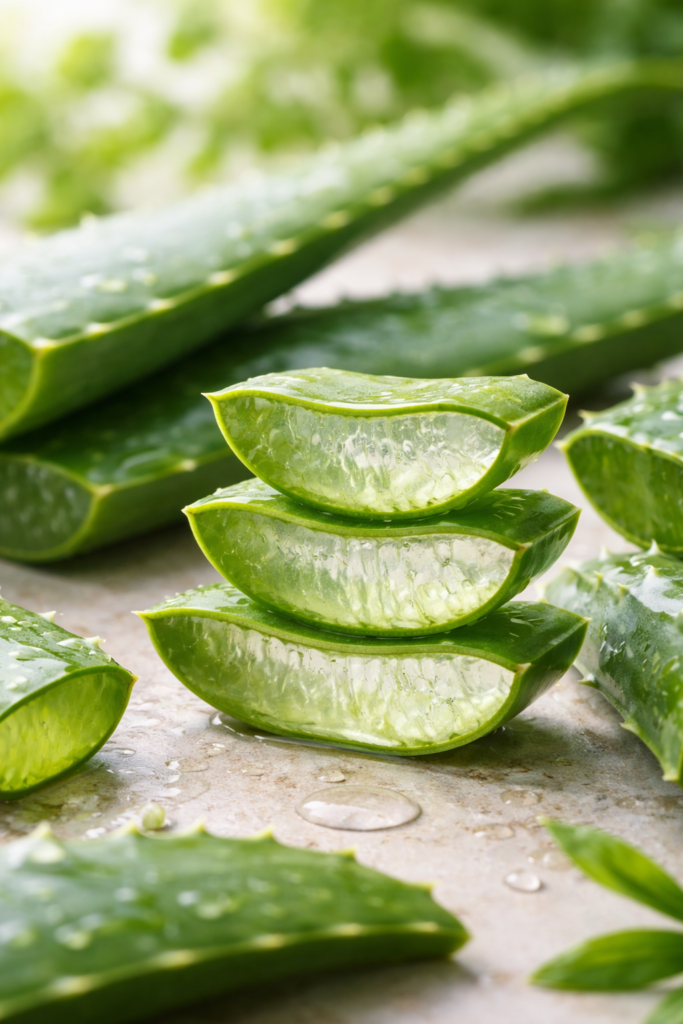
Aloe vera has long been valued for its cooling, soothing nature. Traditionally, the gel inside its leaves has been used to comfort dry or overheated skin and to support simple skin-soothing rituals. Its fresh, lightweight feel has also made it popular in beauty routines focused on hydration and calm.
Aloe vera is often associated with after-sun care, gentle moisturizing, and skin support. Its clean, refreshing texture makes it a natural fit in both traditional and modern formulations.
2. Lavender for Calm and Restoration
Lavender is one of the most beloved botanicals in traditional self-care. Known for its soft floral scent, it has often been used in evening rituals, linen sachets, bath blends, and infused oils designed to encourage calm.
In beauty traditions, lavender is frequently linked with relaxation and gentle skin care. In wellness rituals, it is often chosen for moments of stillness, rest, and emotional reset. A warm bath scented with lavender or a few drops of lavender oil in a bedtime ritual can feel deeply comforting.
3. Rose for Beauty and Softness
Rose has long symbolized beauty, romance, and care. But beyond its elegance, rose has also been used in traditional beauty rituals for generations. Rose water, rose-infused oils, and rose petals have often been included in routines meant to refresh the skin and create a sense of luxury.
Rose is often associated with softness, hydration, and delicate care. It brings both sensory beauty and ritual value, turning ordinary moments into something more intentional and nourishing.
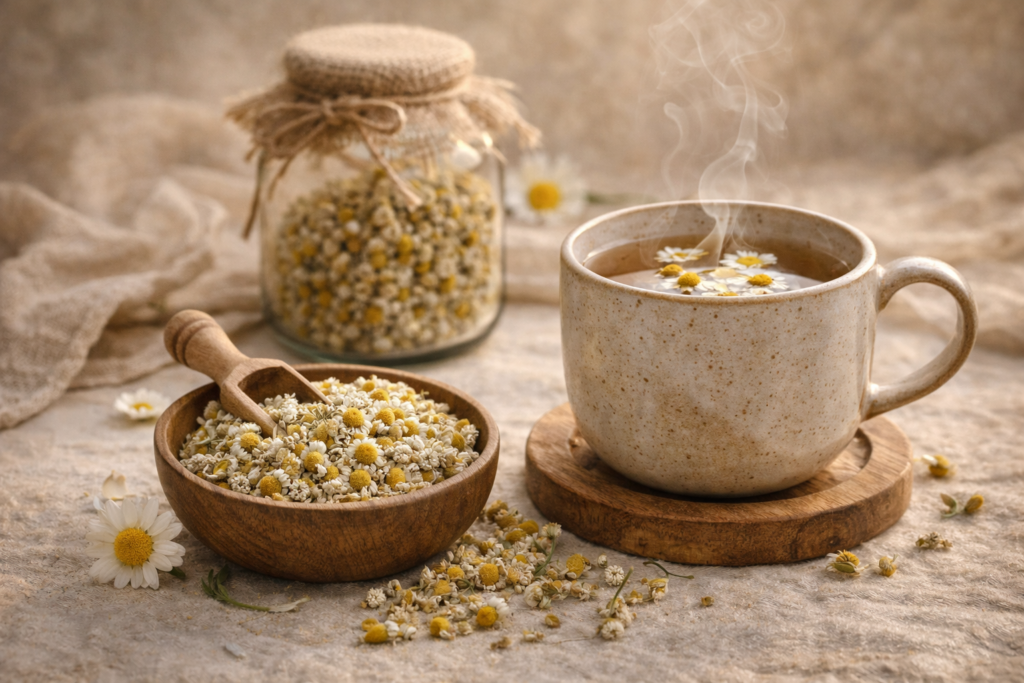
4. Chamomile for Gentle Comfort
Chamomile is widely known for its gentle nature. Traditionally used in calming teas and soothing preparations, chamomile has often been turned to when softness and comfort were needed most.
Its role in beauty and wellness rituals is tied to its mild, calming presence. Whether enjoyed in a warm cup before bed or infused into simple skincare rituals, chamomile brings a sense of ease. It is the kind of botanical that feels quiet, familiar, and grounding.
5. Calendula for Skin-Loving Rituals
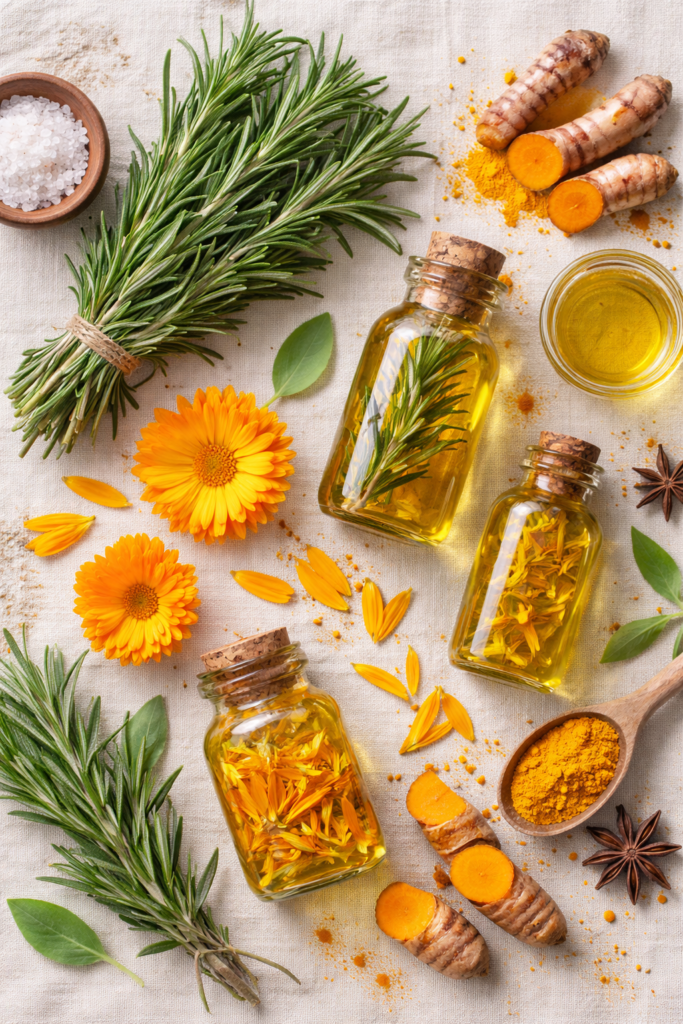
Calendula, with its bright golden petals, has long been featured in traditional herbal preparations. It is often associated with skin-focused balms, infused oils, and comforting botanical blends designed to care for delicate or dry skin.
Its cheerful color and long history in natural care make calendula a favorite in restorative beauty rituals. It feels both practical and uplifting, bringing together traditional plant wisdom and everyday self-care.
6. Turmeric for Radiance and Renewal
Turmeric has been used for centuries in culinary, cultural, and beauty traditions. In many traditional practices, it has been included in face masks, body treatments, and ceremonial rituals associated with purification and glow.
Its rich golden color makes it instantly recognizable, and its connection to beauty rituals continues today. Turmeric is often linked with brightness, renewal, and skin-loving care, especially in masks and treatments meant to leave skin looking refreshed.
7. Rosemary for Invigoration and Strength
Rosemary has a long reputation as an energizing and aromatic botanical. Traditionally, it has been used in hair rituals, herbal rinses, infused oils, and steams. Its fresh scent and vibrant character make it especially appealing in routines focused on clarity and renewal.
Rosemary is often associated with strengthening rituals, especially in hair and scalp care. It brings a lively, awakening quality that can help beauty and wellness routines feel more active and refreshing.
Why These Botanicals Still Matter
What keeps these botanicals relevant is not just tradition, but the feeling they create. They invite a slower, more mindful way of caring for yourself. They remind us that beauty and restoration are not always about doing more. Sometimes they begin with returning to simple rituals that have comforted people for generations.
Whether it is rose water in the morning, chamomile tea at night, or aloe vera after a long day in the sun, these plants continue to connect modern routines with timeless care. Their lasting appeal comes from both their usefulness and the quiet beauty of the rituals built around them.